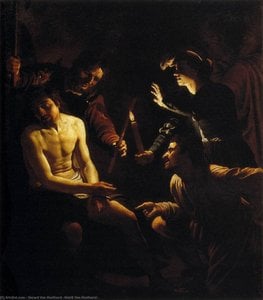
ένας πρωτοπόρος της ολλανδικής ζωγραφικής είδους
gerard ter borch, μια κορυφαία μορφή της ολλανδικής χρυσής εποχής, άφησε ένα անσ xóaφτο αποτύπωμα στον κόσμο της τέχνης μέσα από τα έργα του στη ζωγραφική είδους. Γεννημένος τον Δεκέμβριο του 1617 και θυμίζοντας την τελευταία του ανάσα στις 8 Δεκεμβρίου 1681, η ζωή του ter borch αποτέλεσε μια ζωντανή απόδειξη της καλλιτεχνικής του αριστείας.
πρώιμα χρόνια και επιρροές
Η πρώιμη ζωή του ter borch δεν είναι πλήρως τεκμηριωμένη, όμως γνωρίζεται ότι ταξίδεψε εκτεταμένα σε όλη την Ευρώπη, περιλαμβανομένου του Λονδίνου, της Γερμανίας, της Γαλλίας, της Ισπανίας και της Ιταλίας. Αυτή η έκθεση σε διαφορετικές κουλτούρες διεύρυνε τους καλλιτεχνικούς του ορίζοντες, επηρεάζοντας το μοναδικό του στυλ. Η αδελφή του,
gesina ter borch, υστερεύε επίσης καριέρα στη ζωγραφική, ενισχύοντας περαιτέρω τις καλλιτεχνικές κληρονομιές της οικογένειας.
σημαντικά έργα και επιτεύγματα
-
the letter: ένα αριστούργημα που αναδεικνύει την ικανότητα του ter borch στην απόδοση της υφής και του φωτός. -
the gallant conversation: χαραγμένο από τον johann georg wille, αυτό το κομμάτι ενσαρκώνει την ικανότητα του καλλιτέχνη να μεταφέρει λεπτές και σύνθετες συναισθήματα. -
man on horseback (1634): ένα πρώιμο έργο που επιδεικνύει το αναδυόμενο ταλέντο του ter borch. -
adrian pauw's arrival in münster (1646): ένα σημαντικό έργο που αναδεικνύει τις αφηγηματικές ικανότητες του καλλιτέχνη.
μουσεία και συլλογές που περιλαμβάνουν το έργο του ter borch
-
the hermitage: με έξι από τα έργα του, διαθέτει μία από τις μεγαλύτερες συλλογές. -
berlin museum: περιλαμβάνει έξι κομμάτια, αναδεικνύοντας την διεθνή απήχηση του ter borch. -
getty center: τρία από τα έργα του αποτελούν μέρος αυτής της αξιόλογης συλλογής.
κληρονομιά και αντίκτυπος
Η επιρροή του ter borch σε Ολλανδούς ζωγράφους όπως οι gabriel metsu, gerrit dou, eglon van der neer και johannes vermeer είναι καλά τεκμηριωμένη. Η καινοτόμος προσέγγισή του στη ζωγραφική είδους τον καθιστώνά τον κεντρικό πρόσωπο στην ιστορία της τέχνης.
συμπέρασμα: Η διαχρονική κληρονομιά του gerard ter borch αποτελεί μια απόδειξη της καινοτόμου προσέγγισής του στη ζωγραφική είδους, επηρεάζοντας γενιές καλλιτεχνών και εδραιώνοντας τη θέση του στα αρχεία της ιστορίας της τέχνης.



 Δείτε σε πραγματικό χώρο
 Αγορά χειροποίητου πίνακα
 Αποστολή
 Κοινοποίηση
 Λεπτομέρειες

 Λήψη
Λήψη
 Παρόμοια αντικείμενα συλλογής
 Ακτινογραφία
 Παρουσίαση
 Στατιστικά


 Διαβάστε περισσότερα






































 Η επιλογή με γυαλί είναι διαθέσιμη μόνο για μεγέθη κάτω από 110 εκ.