Δείτε σε πραγματικό χώρο Προεπισκόπηση σε AR Μετάβαση σε Εκτυπωση Αγορά χειροποίητου πίνακα Αποστολή
Λεπτομέρειες Προσθήκη στα αγαπημένα Λήψη Παρόμοια αντικείμενα συλλογής Ακτινογραφία Παρουσίαση Στατιστικά

Street Scene

A vibrant depiction of daily urban life unfolds in this 1939 social realism masterpiece by Gerard Sekoto, capturing the rhythmic essence of a street corner and inviting you to bring this piece of history into your home.

Gerard Sekoto (1913-1993) was a pioneering South African artist renowned for his urban black art & social realism paintings depicting everyday life. Exhibited internationally, he captured the spirit of Sophiatown and beyond.

Αγοράστε μια ψηφιακή εικόνα υψηλής ανάλυσης και βελτιωμένης ποιότητας, πολύ ανώτερης από την προεπισκόπηση στο διαδίκτυο.

Κάθε αρχείο προετοιμάζεται σχολαστικά από τους εξειδικευμένους συνεργάτες μας, με τη χρήση προηγμένων εργαλείων και χειροκίνητου ρετουσαρίσματος υψηλής ακρίβειας. Εξασφαλίζουμε ότι κάθε εικόνα προσφέρει εξαιρετική ευκρίνεια, απόλυτη πιστότητα στο χρώμα και λεπτομερή ανάδραση των λεπτομερειών.

Το τελικό αρχείο παραδίδεται μέσω email εντός 72 ωρών, βελτιστοποιημένο για άμεση χρήση σε επαγγελματικά, εκδοτικά και έντυπα περιβάλλοντα. Πρόκειται για την ίδια ποιότητα που εμπιστεύονται κορυφαία studios σχεδιασμού, εκδότες και γκαλερί.

Ψηφιακή εικόνα

Κατεβάστε ένα αρχείο υψηλής ανάλυσης για προσωπική χρήση, εκτύπωση και δημιουργικά έργα. ( Μετάβαση σε Εκτυπωση Αγορά χειροποίητου πίνακα)

Συνολικό Κόστος

$ 24,90

Περιλαμβάνεται σε κάθε παραγγελία ψηφιακής εικόνας

Επαγγελματική Ψηφιακή Παράδοση με Εγγύηση

Όταν επιλέγετε το WahooArt.com, δεν αποκτάτε απλώς μια εικόνα – λαμβάνετε ένα επαγγελματικά αναβαθμισμένο ψηφιακό έργο τέχνης, δημιουργημένο με ακρίβεια και με εγγύηση ικανοποίησης. Δείτε όλα όσα περιλαμβάνονται στην παραγγελία σας, αυτόματα:

shipping_icon
Άμεση αποστολή μέσω email

Το ψηφιακό σας αρχείο εικόνας υψηλής ανάλυσης θα σας σταλεί μέσω email εντός 72 ωρών από την παραγγελία σας — έτοιμο για άμεση χρήση.

canvas_icon
Ψηφιακό Αρχείο με Τεχνητή Νοημοσύνη

Το έργο σας βελτιστοποιείται επαγγελματικά με τη χρήση προηγμένων εργαλείων Τεχνητής Νοημοσύνης και χειροκίνητης επεξεργασίας, εξασφαλίζοντας μέγιστη λεπτομέρεια, ευκρίνεια και ακρίβεια χρωμάτων.

insurance_icon
Δωρεάν επανεκδόσεις مدى ζωής

Απώλησες ή διαγράψατε κατά λάθος το αρχείο σας; Μην ανησυχείτε — θα σας το ξαναστείλομε οποιαδήποτε στιγμή, δωρεάν.

tax_icon
Χωρίς Τελωνειακούς Φόρους - Ποτέ

Απολαύστε αμέσως τα έργα τέχνης σας χωρίς δασμούς, φόρους ή έξοδα αποστολής - οι ψηφιακές λήψεις είναι πάντα αφορεশিপτεία.

color_icon
Εγγύηση Ακριβούς Χρωματισμού

Εξασφαλίζουμε ότι η ψηφιακή σας εικόνα αποτυπώνει τα αυθεντικά χρώματα όσο το δυνατόν πιστότερα, χρησιμοποιώντας επαγγελματικά εργαλεία και διαχείριση χρωμάτων.

return_icon
Εγγύηση Ικανοποίησης 100 Ημερών

Εάν δεν είστε ικανοποιημένοι με την ψηφιακή σας εικόνα, θα την τροποποιήσουμε ή θα σας επιστρέψουμε το 100% εντός 100 ημερών - χωρίς κανένα ερώτημα.

guarantee_icon
100% Εγγύηση Επιστροφής Χρήματος

Δεν είστε ικανοποιημένοι; Λάβετε πλήρη επιστροφή των χρημάτων σας εντός 100 ημερών από τη λήψη του ψηφιακού σας αρχείου - χωρίς κανένα ερώτημα.

discount_icon
Εκπτώσεις για μαζικές παραγγελίες

Αγοράστε 3 εικόνες, κάντε εξοικονόμηση 10% - Αγοράστε 5, κάντε εξοικονόμηση 15% - Αγοράστε 10+, κάντε εξοικονόμηση 20%. Ιδανικό για δημιουργικά έργα, γκαλερί και agencies.

Γρήγορα στοιχεία

  • Year: 1939
  • Artist: Gerard Sekoto
  • Subject or theme: Daily life and urban street activity
  • Title: Street Scene
  • Dimensions: 40 x 30 cm

A Window into the Soul of Sophiatown

In the quiet, rhythmic pulse of 1939, Gerard Sekoto captured a moment that transcends mere observation, offering instead a profound meditation on human existence. Street Scene is not simply a depiction of urban movement; it is a lyrical composition of daily life, where the mundane becomes monumental. Through his masterful lens, we are transported to a bustling corner where the labor of two men—one clutching a bucket, the other a shovel—serves as the grounded, tactile foundation of the piece. This scene of construction and toil is juxtaposed with the casual stillness of a seated figure, creating a beautiful tension between progress and repose. The painting breathes with the vitality of a community in motion, inviting the viewer to step into a world where every gesture, from the carrying of a heavy object to the simple act of standing still, tells a story of resilience and shared humanity.

The technique employed by Sekoto reflects his deep roots in social realism, a style that demands both technical precision and emotional honesty. The artist utilizes a palette that captures the dusty, sun-drenched atmosphere of the street, using light to define form and create depth within the 40 x 30 cm canvas. There is a rhythmic quality to the placement of the figures; the background characters—one burdened by a large object, another navigating the crowd with a backpack—act as echoes of the foreground activity, weaving a complex tapestry of social interaction. The brushwork, while controlled, possesses an organic warmth that softens the edges of the urban environment, turning a simple street corner into a stage for a timeless human drama.

For the discerning collector or interior designer, Street Scene offers much more than aesthetic beauty; it provides a profound historical and emotional anchor. As a pioneer who reshaped the perception of Black identity in South Africa, Sekoto’s work carries an inherent dignity that is palpable on the canvas. This piece serves as a sophisticated focal point for any curated space, bringing with it a sense of narrative depth and historical weight. Whether placed in a contemporary gallery setting or a classic study, the painting evokes a sense of nostalgia and respect for the enduring spirit of urban life. It is an invitation to contemplate the beauty found in the everyday, making it an invaluable acquisition for those who seek art that speaks to both the eye and the conscience.


Βιογραφικό Καλλιτέχνη

A Voice of Sophiatown: The Legacy of Gerard Sekoto

Gerard Sekoto (1913-1993) stands as a monumental figure in South African art history, recognized not merely for his artistic output but for fundamentally reshaping perceptions of Black identity and experience during the turbulent era of apartheid. Born in the quiet Lutheran Mission Station of Botshabelo, Mpumalanga, he emerged from humble beginnings—the son of Andreas Sekoto, a clergyman deeply involved in establishing the Wonderhoek Diocesan School—to become one of the foremost champions of urban black art and social realism. His early life was a tapestry woven with religious faith and musical tradition; introduced to the family harmonium at a young age, he cultivated a lifelong passion for music that would forever inform the rhythmic soul of his visual compositions. His formative years in the Eastern Transvaal provided a foundation of intellectual discipline, as his education at Wonderhoek prepared him for a vocation as a teacher. However, the call of the canvas proved irresistible. Sekoto’s artistic journey began to gain formal momentum during his studies at Diocesan Teachers Training College in Pietersburg, where he honed his skills and gained recognition through art competitions. A pivotal moment arrived when he secured second prize in the May Esther Bedford Competition, an achievement that propelled him into the spotlight and solidified his determination to pursue a career dedicated to visual storytelling.

The Pulse of the City and the Dawn of Social Realism

In 1938, driven by an ambition to immerse himself within the burgeoning Black artistic community, Sekoto relocated to Johannesburg. This move proved transformative. In the vibrant, multi-racial energy of the city, he began to capture the essence of urban life with an unflinching honesty that would define his legacy. It was during this period that he encountered influential figures such as Judith Gluckman, who introduced him to the techniques of oil painting, allowing his work to transition from simple sketches to rich, textured explorations of light and human emotion. His arrival in Johannesburg marked a historic milestone for South African institutions; in 1940, the Johannesburg Art Gallery acquired one of his works, making him the first Black artist to have his art entered into a museum collection in the country. His paintings became vital historical records of pre-apartheid communities, specifically the lively, bustling neighborhoods of Sophiatown and later District Six in Cape Town. Through his brush, the everyday struggles and joys of ordinary people were elevated to the status of high art. He utilized social realism not just as a technique, but as a profound tool for dignity, portraying the humanity of the impoverished Black population with a grace that defied the dehumanizing laws of the era.

Exile, Evolution, and Eternal Significance

As the political landscape of South Africa darkened under the imposition of apartheid, Sekoto’s life took a more nomadic and bittersweet path. Leaving South Africa in 1947, he spent much of his later life in Europe, most notably in Paris. While physical distance separated him from his homeland, the spirit of South Africa remained the heartbeat of his work. Even while living abroad, he continued to draw profound inspiration from the landscapes and people of his birthright, ensuring that the memory of the vibrant townships remained etched in the global art consciousness. The significance of Gerard Sekoto’s oeuvre extends far beyond the borders of South Africa. His work has been exhibited internationally, from Stockholm and Venice to Washington and Senegal, earning him a place among the great modernists of the twentieth century. His legacy is defined by several enduring contributions:
  • Pioneering Urban Black Art: He broke the silence of the colonial era by centering the Black urban experience in fine art.
  • Mastery of Social Realism: He used realistic depictions to document social truths and advocate for the visibility of marginalized communities.
  • Cultural Bridge-Building: His ability to navigate both the rural traditions of his youth and the cosmopolitan influences of Paris created a unique, hybrid aesthetic.
  • Historical Preservation: His paintings serve as irreplaceable visual archives of South African neighborhoods that were later destroyed by forced removals.
Today, Sekoto is remembered not just as a painter, but as a witness. His life’s work remains a cornerstone of African cultural history, a testament to the resilience of the human spirit and the power of art to reclaim identity in the face of oppression.

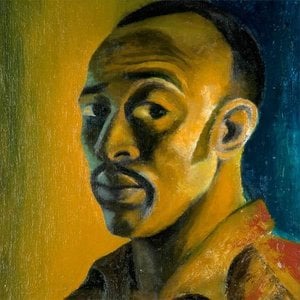
Gerard Sekoto

Gerard Sekoto

1913 - 1993 , South Africa

Γρήγορα στοιχεία

  • Artistic Movement Or Style: Urban Black Art & Social Realism
  • Date Of Birth: 1913
  • Date Of Death: 1993
  • Full Name: Gerard Sekoto
  • Nationality: South African
  • Notable Artworks:
    • Washerwomen
    • The Jazz Band
    • Prayer in Church
  • Place Of Birth: Botshabelo, South Africa