Πρώιμη Ζωή και Καλλιτεχνικά Θεμέλια
Ο Georges Braque, γεννημένος στο Argenteuil της Γαλλίας το 1882, ξεκίνησε ένα μονοπάτι βαθιά συνδεδεμένο με την εξελισσόμενη τοπιογραφία της μοντέρνας τέχνης. Η ανατροφή του μέσα σε μια οικογένεια οικοδομικών καλλιτεχνών και διακοσμητών του εμφύτευσε όχι μόνο μια τεχνική επάρκεια στα υλικά, αλλά και μια πρώιμη εκτίμηση για τη μορφή και τη δομή. Παρόλο που αρχικά ακολούθησε το επάγγελμα του πατέρα του, οι εγγενείς καλλιτεχνικές του κλίσεις οδήγησαν γρήγορα σε επίσημη εκπαίδευση στην École des Beaux-Arts στο Le Havre, σηματοδοτώντας την αρχή του ταξιδιού του προς το να γίνει ένας από τους πιο επιδραστικούς ζωγράφους του 20ου αιώνα. Αυτή η βάση—ένας συνδυασμός πρακτικής δεξιοτεχνίας και ακαδημαϊκής μελέτης—αποδείχθηκε καθοριστική καθώς αργότερα αποδόμησε και αναπλάθεσε τις παραδοσιακές καλλιτεχνικές συμβάσεις.
Μετακομίζοντας στο Παρίσι το 1902, ο Braque συνέχισε τις σπουδές του στην Académie Humbert, βυθιζόμενος στο ζωντανό καλλιτεχνικό περιβάλλον της πόλης. Εκεί ήρθε σε επαφή με καλλιτέχνες όπως η Marie Laurencin και ο Francis Picabia, δημιουργώντας δεσμούς που θα διαμόρφωσε την πρώιμη ανάπτυξή του. Τα αρχικά του έργα αντηχούσαν τις επικρατούσες επιρροές του Ε impressionισμού και του Post-Impressionισμού, αλλά μια κομβική συνάντηση με τα τολμηρά χρώματα και την εκφραστική ελευθερία του Fauvism το 1905 πυροδότησε μια νέα κατεύθυνση στην καλλιτεχνική του εξερεύνηση.
Η Αποδοχή του Fauvism και η Αυγή του Cubism
Η υιοθέτηση των αρχών του Fauvism από τον Braque—χαρακτηρισμένη από έντονο, μη φυσιολογιστικό χρώμα και συναισθηματική έκφραση—παρουσιάζεται ζωντανά σε πίνακες όπως το The Patience. Αυτή η περίοδος τον είδε να εργάζεται δίπλα σε καλλιτέχνες όπως ο Henri Matisse και ο André Derain, πειραματιζόμενος με ζωντανές παλέτες και απλοποιημένες μορφές. Ωστόσο, η συμμετοχή του Braque στο Fauvism δεν ήταν απλώς μιμητική· του πρόσθεσε μια μοναδική ευαισθησία, μετρημένη την ανεξέλεγκτη ενθουσιασμό της κίνησης με μια πιο συγκρατημένη και αναλυτική προσέγγιση.
Ένα σημείο καμπής ήρθε το 1907 με την έκθεση των έργων του Paul Cézanne. Η έμφαση του Cézanne στις γεωμετρικές μορφές και τις πολλαπλές προοπτικές επηρέασε βαθιά τον Braque, προετοιμάζοντας το σκηνικό για την πρωτοποριακή του συνεργασία με τον Pablo Picasso. Ξεκινώντας από το 1908, αυτοί οι δύο καλλιτεχνικοί κολοσσοί ξεκίνησαν μια περίοδο έντονης πνευματικής ανταλλαγής που θα γέννησε τον Cubism—μια επαναστατική κίνηση που διέλυσε τις παραδοσιακές έννοιες της αναπαράστασης.
Μαζί, ο Braque και ο Picasso ανέπτυξαν τον Αναλυτικό Κυβισμό (Analytical Cubism), αποσυναρμολογώντας αντικείμενα σε θραύσματα γεωμετρικών σχημάτων και παρουσιάζοντας ταυτόχρονα πολλαπλές οπτικές γωνίες. Έργα όπως το Houses at L'Estaque επιδεικνύουν αυτή την πρώιμη φάση, αναδεικνύοντας μια ριζοσπαστική απόκλιση από την παραδοσιακή προοπτική και μια εστίαση στη θεμελιώδη δομή των μορφών. Η παλέτα τους έγινε σκόπιμα πιο ήρεμη, δίνοντας έμφαση στη μορφή έναντι του χρώματος, καθώς επιδίωκαν να αναπαραστήσουν τη συνολικότητα της παρουσίας ενός αντικειμένου και όχι απλώς την εμφάνισή του.
Καινοτομία μέσω της Θραύσης και του Collage
Η συνεργασία μεταξύ Braque και Picasso συνέχισε να σπρώχνει τα όρια της καλλιτεχνικής έκφρασης, οδηγώντας στην ανάπτυξη του Συνθετικού Κυβισμού (Synthetic Cubism) γύρω στο 1912. Αυτή η φάση είδε την εισαγωją της κόλατζ (collage)—της ενσωμάτωσης υλικών από τον πραγματικό κόσμο, όπως κομμάτια εφημερίδας, ταπετσαρία και ύφασμα, μέσα στους πίνακες. Αυτή η καινοτομία αμφισβήτησε την παραδοσιακή ιεραρχία μεταξύ ζωγραφικής και γλυπτικής, θολώνοντας τα όρια μεταξύ τέχνης και ζωής.
Η πρωτοποριακή χρήση του *papier collé* (κολλημένο χαρτί) από τον Braque σήμανε ένα σημαντικό σημείο καμπής στην καλλιτεχνική του εξέλιξη. Ενσωματώνοντας κομμάτια καθημερινών αντικειμένων στις συνθέσεις του, διατάραξε τον ψευδαισθητικό χώρο της παραδοσιακής ζωγραφικής και εισήγαγε ένα νέο επίπεδο υλικότητας και υφής. Αυτή η τεχνική δεν επέκτεινε μόνο τις μορφολογικές δυνατότητες της τέχνης, αλλά ανέθεσε επίσης ένα αυξανόμενο ενδιαφέρον για τη σχέση μεταξύ αναπαράστασης και πραγματικότητας.
Η έκρηξη του Α' Παγκοσμίου Πολέμου το 1914 προκάλεσε μια διακοπή σε αυτή την έντονη συνεργασία, καθώς ο Braque κλήθηκε για στρατιωτική θήραση. Οι εμπειρίες του στον πόλεμο επηρέασαν βαθιά την καλλιτεπτική του όραση, οδηγώντας τον να εξερευνήσει πιο προσωπικά και λυρικά θέματα στα έργα του μετά τον πόλεμο.
Τα Μεταγενέστερα Έτη και η Αιώνια Κληρονομιά
Μετά τον πόλεμο, το στυλ του Braque εξελίχθηκε πέρα από τα αυστηρά όρια του Κυβισμού, ενσωματώνοντας στοιχεία κλασικής σύνθεσης και ένα ανανεωμένο ενδιαφέρον για το αττούτο (still life). Διατηρώντας τις γεωμετρικές επιρροές που είχαν χαρακτηρίσει το πρώιμο έργο του, ανέπτυξε μια πιο λεπτομερή και στοχαστική προσέγγιση στη ζωγραφική. Τα μεταγενέστερα τοπία και τα εσωτερικά του χώροι χαρακτηρίζονται από την γαλήνια ατμόσφαιρά τους και τις αστραφτερές αρμονίες των χρωμάτων.
Κατά τη διάρκεια της καριέρας του, ο Braque παρέμεινε αφοσιωμένος στην εξερεύνηση των θεμελιωδών αρχών της μορφής, του χώρου και της αναπαράστασης. Συνέχισε να πειραματίζεται με διαφορετικά υλικά και τεχνικές, σπρώχνοντας τα όρια της καλλιτεχνικής έκφρασης μέχρι τον θάνατό του το 1963. Η επιρροή του στις επόμενες γενιές καλλιτεχνών είναι αβάσταχτη, διαμορφώνοντας την πορεία της μοντέρνας τέχνης και εμπνέοντας αμέτρητους ζωγράφους, γλύπτες και δημιουργούς κόλατζ.
Η κληρονομιά του Georges Braque εκτείνεται πέρα από τα μεμονωμένα έργα του· άλλαξε θεμελιωδώς την κατανόησή μας για το πώς αντιλαμβανόμαστε και αναπαριστούμε τον κόσμο γύρω μας. Το συνεργατικό του πνεύμα με τον Picasso, σε συνδυασμό με την ίδια μοναδική καλλιτεχνική του όραση, σφράγισε τη θέση του ως αληθινός πρωτοπόρος της μοντέρνας τέχνης—έναν δάσκαλο που τόλμησε να αμφισβητήσει τις συμβάσεις και να επαναπροσδιορίσει τις δυνατότητες της ζωγραφικής.
Επιρροές και Σημαντικά Έργα
- Επηρεασμένος από: Henri Matisse, André Derain, Paul Cézanne
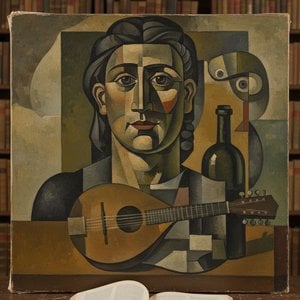
- Βασικά Έργα: Houses at L'Estaque, The Patience, Violin and Palette, Mandola
- <Επίδραση στην Ιστορία της Τέχνης: Επανάστασε την τέχνη του 20ου αιώνα μέσω του Κυβισμού· αμφισβήτησε τις παραδοσιακές έννοιες της προοπτικής και της αναπαράστασης.



 Προεπισκόπηση
 Αγορά χειροποίητου πίνακα
 Αποστολή
 Κοινοποίηση
 Λεπτομέρειες
 Οδηγός

 Λήψη
Λήψη
 Παρόμοια αντικείμενα συλλογής
 Ακτινογραφία
 Παρουσίαση
 Στατιστικά


 Περισσότερα λεπτομέρεια






































 Η επιλογή με γυαλί είναι διαθέσιμη μόνο για μεγέθη κάτω από 110 εκ.