**μια ζωή καλλιτεχνικής εξερεύνησης**
gabriël metsu, ένας Ολλανδός ζωγράφος από τις Niederlande, lived μια ζωή σημαδεμένη από την καλλιτεχνική εξερεύνηση και την καινοτομία. Γεννημένος το 1629, το έργο του Metsu ενσάρκωνε το πνεύμα της Ολλανδικής Χρυσής Εποχής, μιας περιόδου φημισμένης για την παραγωγικότητά της στις τέχνες. Αυτή η βιογραφία εμβαθύνει στη ζωή και τα έργα αυτού του μυστηριώδους καλλιτέχνη, των οποίων οι συνεισφορές στον κόσμο της τέχνης συνεχίζουν να μας μαγεύουν.
**πρώιμη ζωή και επιρροές**
Ο Metsu γεννήθηκε το 1629, γιος του Jacques Metsu, ενός υφαντή ταπητριών και ζωγράφου που προέρχονταν αρχικά από το Hainault. Αυτό το εκλεκτικό υπόβαθρο επηρέασε πιθανότατα το πρώιμο ενδιαφέρον του Gabriel για ποικίλες καλλιτεχνικές τεχνικές. Η μετακόμιση της οικογένειας στο Leiden, όπου μεγάλωσε ο Metsu, τον έκθεσε σε διάφορες πολιτισμικές επιρροές.
**καλλιτεχνική καριέρα**
Η καριέρα του Metsu χαρακτηρίστηκε από την αποφυγή ενός μοναδικού στυλ ή τεχνικής, κερδίζοντας τον τίτλο ενός «εξαιρετικά εκλεκτικού καλλιτέχνη». Το έργο του περιλάμβανε ιστορικές πίνακες, σੁੰητικά (still lifes), πορτρέτα και σκηνές καθημερινής ζωής. Αξιοσημείωτο είναι ότι μόνο 14 από τα 133 έργα του φέρουν ημερομηνία, αφήνοντας πολλά κρυμμένα προς ανακάλυψη σχετικά με τη δημιουργική του διαδικασία.
- Η επιρροή του rembrandt van rijn στο πρώιμο έργο του Metsu είναι εμφανής, ιδιαίτερα στη χρήση του φωτός και του χρώματος.
- Η μετακόμιση του Metsu στο Άμστερνταμ το 1655 σήμανε μια σημαντική αλλαγή στο στυλ του, με μεγαλύτερη έμφαση στα εσωτερικά δωμάτια και τις σκηνές καθημερινής ζωής.
- Η εκπαίδευσή του υπό τον Michiel van Musscher και τον Joost van Geel αντανακλά την αφοσίωσή του στην καλλιτεχνική κοινότητα.
**σημαντικά έργα και κληρονομιά**
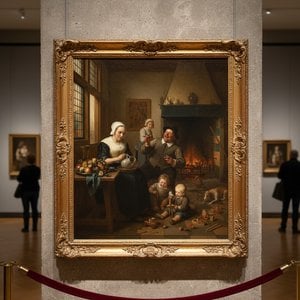
Οι πίνακες του Metsu περιλάμβαναν συχνά νεαρές γυναίκες, σκηνές αγοράς και ηλικιωμένους ανθρώπους, αντλώντας έμπνευση από δημοφιλέστερα εμβληματικά θέματα. Ένα αξιοσημείωτο παράδειγμα είναι ο
πωλητής κοτόπουλων, ο οποίος αναδεικνύει τη χρήση του συμβολισμού.
κύρια έργα: **μουσεία και συλλογές**
Τα έργα του Metsu μπορούν να βρεθούν σε διάφορα μουσεία, συμπεριλαμβανομένου του Rijksmuseum στο Άμστερνταμ. Για περισσότερες πληροφορίες για την τέχνευση του και για να εξερευνήσετε άλλους ζωγράφους της Ολλανδικής Χρυσής Εποχής, επισκεφθείτε το /el/art/show/art-d3c627-el/ για μια ολοκληρωμένη επισκόπηση.
συμπέρασμα: Η ζωή και η τέχνη του Gabriel Metsu αποτελούν μια απόδειξη του καινοτόμου πνεύματος της Ολλανδικής Χρυσής Εποχής. Το εκλεκτικό του στυλ, αν και μερικές φορές αινιγματικό, άφησε ένα αμείωτο σημάδι στον κόσμο της τέχνης. Καθώς συνεχίζουμε να ανακαλύπτουμε περισσότερα για τη ζωή και τα έργα του, θυμηθαζόμαστε την βαθιά επίδραση που είχε στην ανάπτυξη της δυτικής τέχνης.
- για μια βαθύτερη κατανόηση της Ολλανδικής Χρυσής Εποχής, ανατρέξτε στο [https://en.wikipedia.org/wiki/dutch_golden_age_painting](https://en.wikipedia.org/wiki/dutch_golden_age_painting).
- εξερευνήστε περισσότερα έργα του Metsu και εκείνων των συγχρόνων του στο [https://WahooArt.com/@/gabriel-metsu](https://AllPaintingsλο.com/@/gabriel-metsu).
**αναφορές:**



 Προεπισκόπηση
 Μετάβαση σε Εκτυπώσεις
 Αποστολή
 Κοινοποίηση
 Λεπτομέρειες
 Οδηγός

 Λήψη
Λήψη
 Παρόμοια αντικείμενα συλλογής
 Ακτινογραφία
 Παρουσίαση
 Στατιστικά

 Περισσότερα λεπτομέρεια






































 Η επιλογή με γυαλί είναι διαθέσιμη μόνο για μεγέθη κάτω από 110 εκ.