Acrylic On CanvasWallArtBaroque
 1659
1659 62.0 x 54.0 cm
 Μητροπολιτικό Μουσείο Τέχνης
Χειροποίητη oil painting σε καμβά στο δικό σας μέγεθος και πλαίσιο, κατά παραγγελία από τους καλλιτέχνες μας. ( Αγορά εκτύπωσης Αγορά ψηφιακής εικόνας)





























Επιλέξτε από τις προκαθορισμένες διαστάσεις μας που διατηρούν τις αρχικές αναλογίες του έργου τέχνης.

Μπορείτε να ορίσετε δικές σας διαστάσεις ώστε το έργο να ταιριάζει σε ένα συγκεκριμένο πλαίσιο ή χώρο. Εάν το επιλεγμένο μέγεθος δεν συμπίπτει με τις αναλογίες της αρχικής εικόνας, θα περικοψούμε το έργο ή θα επεκτείνουμε τη ζωγραφιά με πρόσθετα χειρόγραφα στοιχεία. Ένα ψηφιακό προσχέδιο θα σας αποσταλεί για έγκριση πριν την έναρξη της παραγωγής.
Παρακαλούμε σημειώστε ότι η προεπισκόπηση στην οθόνη δεν αντικατοπτρίζει την πραγματική περικοπή ή επέκταση. Μόνο το προσχέδιο θα δείξει με ακρίβεια την τελική σύνθεση.
Παρόλο που είναι διαθέσιμα προσαρμοσμένα μεγέθη, συνιστούμε να επιλέξετε μια διάσταση από τη λίστα των προκαθορισμένων μεγεθών για τη διατήρηση των αρχικών αναλογιών.
Παγκόσμια Αποστολή () σε 3-4 εβδομάδες αντί για τις συνήθεις 5 εβδομάδες. (6 Σεπτέμβριος). Χωρίς συμβιβασμούς στην ποιότητα.


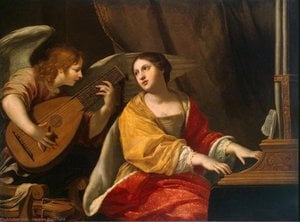
A Musical Party
Διαστάσεις Αναπαραγωγής
Gabriel Metsu's "A Musical Party," painted in 1659, isn’t merely a depiction of a social gathering; it’s a meticulously crafted window into the vibrant and complex world of 17th-century Holland. This captivating Baroque scene, now housed within the Metropolitan Museum of Art, offers a rare glimpse into the leisure activities and social dynamics of the Dutch Golden Age – a period renowned for its artistic flourishing and burgeoning mercantile power. Metsu’s genius lies not in grand historical narratives or dramatic portraits, but rather in his ability to capture fleeting moments of everyday life with remarkable detail and psychological insight.
The painting immediately draws the eye with its rich color palette—deep reds, blues, and golds dominate, creating a sense of warmth and opulence. Metsu’s masterful use of light is particularly noteworthy; it illuminates key figures within the room while subtly receding into the shadows, drawing the viewer's attention to the central interactions. The composition itself is dynamic, with figures clustered around tables, chairs, and a musical instrument – a violin being played by one of the participants. This arrangement suggests an atmosphere of lively conversation and shared enjoyment, a carefully orchestrated tableau of social interaction.
“A Musical Party” is more than just a pretty picture; it’s a detailed study of Dutch customs and etiquette. The figures are dressed in a variety of styles, hinting at different social strata and occasions. Note the elaborate attire of the woman playing the violin – her gown is richly embroidered, suggesting wealth and status. The presence of a dining table with a bowl on it indicates a meal or refreshment being served, while the scattered musical scores suggest that music was an integral part of their entertainment. The inclusion of a foot warmer—a common luxury item at the time—symbolizes indulgence and comfort, reflecting the prosperity enjoyed by many in Dutch society.
The painting’s symbolism is layered and intriguing. The violin itself represents harmony and pleasure, while the gathering as a whole embodies the spirit of conviviality and social connection. Metsu subtly incorporates emblems – visual symbols with specific meanings – into the scene, adding another layer of interpretation. For example, the placement of objects like the foot warmer can be read as alluding to themes of temptation and desire, reflecting the complexities of human relationships.
Gabriel Metsu remains a somewhat enigmatic figure in art history. Unlike many of his contemporaries who specialized in particular genres, Metsu's oeuvre spanned a wide range of subjects – history paintings, still lifes, portraits, and genre scenes—and he never adhered to a consistent style. This “eclectic” approach is evident in "A Musical Party," which blends elements of portraiture, genre painting, and even a touch of theatricality. His work reflects the spirit of the Dutch Golden Age, characterized by innovation, experimentation, and a fascination with everyday life.
Born in Leiden in 1629, Metsu’s early training likely involved exposure to diverse artistic techniques, perhaps influenced by his family's background as tapestry workers and painters. He spent much of his career in Amsterdam, where he developed his distinctive style—characterized by meticulous detail, subtle lighting effects, and a keen eye for capturing human psychology. His relatively short life – he died at the age of 38 – adds to the mystery surrounding this talented artist.
WahooArt offers high-quality hand-painted reproductions of Gabriel Metsu’s "A Musical Party," allowing you to bring this captivating masterpiece into your home or office. Our skilled artists meticulously recreate Metsu's intricate details and vibrant colors, ensuring that your reproduction captures the essence of the original painting. Whether you are an art enthusiast, a collector, or simply seeking a stunning piece of décor, our reproductions provide a beautiful and authentic representation of this iconic work of Dutch Golden Age art.


1629 - 1667 , Ολλανδία

Embark on a sophisticated journey through the Dutch Golden Age. Unveil the dramatic brilliance of Rembrandt’s chiaroscuro and the expressive landscapes of 17th-century masters in this authoritative exploration of light, shadow, and enduring artistic legacy.

Explore the dramatic mastery of Dutch Baroque art. Discover how chiaroscuro and light define the Golden Age, from Rembrandt's shadows to maritime grandeur. Perfect for classic art enthusiasts seeking deep historical insight and inspiration.

 Δείτε σε πραγματικό χώρο
 Αποστολή
 Κοινοποίηση
 Λεπτομέρειες

 Λήψη
Λήψη
 Παρόμοια αντικείμενα συλλογής
 Ακτινογραφία
 Παρουσίαση
 Διαβάστε περισσότερα







 Η επιλογή με γυαλί είναι διαθέσιμη μόνο για μεγέθη κάτω από 110 εκ.