ΔΩΡΕΑΝ ΣΥΜΒΟΥΛΗ ΤΕΧΝΗΣ

x
Αγορά εκτύπωσης Αγορά εκτύπωσηςΑγοράστε την αναπαραγωγή Αγοράστε την αναπαραγωγή ΑποστολήΑποστολή
ΛεπτομέρειεςΛεπτομέρειες Προσθήκη στα αγαπημένα Προσθήκη στα αγαπημένα ΛήψηΛήψη Παρόμοια έργαΠαρόμοια έργα ΑκτινογραφίαΑκτινογραφία ΠαρουσίασηΠαρουσίαση

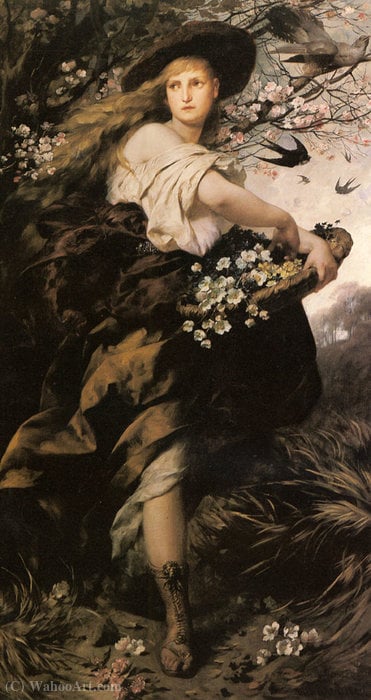
Flora

Explore the genre & history paintings of Ferdinand Keller (1842-1922), a German artist known for his depictions of bullfighting, landscapes, and royal commissions. Discover his legacy!

Αγοράστε μια ψηφιακή εικόνα υψηλής ανάλυσης και βελτιωμένης ποιότητας, πολύ ανώτερης από την προεπισκόπηση στο διαδίκτυο.

Κάθε αρχείο προετοιμάζεται σχολαστικά από τους ειδικούς μας, χρησιμοποιώντας προηγμένα εργαλεία και εξειδικευμένο χειροκίνητο ρετουσάρισμα. Εξασφαλίζουμε ότι κάθε εικόνα διαθέτει εξαιρετική ευκρίνεια, απόλυτη πιστότητα στο χρώμα και λεπτομερή ανάδραση των λεπτομερειών.

Το τελικό αρχείο παραδίδεται μέσω email εντός 72 ωρών, βελτιστοποιημένο για άμεση χρήση σε επαγγελματικά, εκδοτικά και έντυπα περιβάλλοντα. Πρόκειται για την ίδια ποιότητα που εμπιστεύονται κορυφαία studios σχεδιασμού, εκδότες και γκαλερί.

Ψηφιακή εικόνα

Κατεβάστε ένα αρχείο υψηλής ανάλυσης για προσωπική χρήση, εκτύπωση και δημιουργικά έργα.

Συνολική Τιμή

$9.99

Περιλαμβάνεται σε κάθε αγορά ψηφιακής εικόνας

Επαγγελματική Ψηφιακή Παράδοση, Με Εγγύηση

Όταν επιλέγετε το WahooArt.com, δεν αποκτάτε απλώς μια εικόνα – λαμβάνετε ένα επαγγελματικά αναβαθμισμένο ψηφιακό έργο τέχνης, δημιουργημένο με ακρίβεια και με εγγύηση ικανοποίησης. Δείτε όλα όσα περιλαμβάνονται στην παραγγελία σας, αυτόματα:

shipping_icon
Άμεση αποστολή μέσω email

Το ψηφιακό σας αρχείο εικόνας υψηλής ανάλυσης θα σας σταλεί μέσω email εντός 72 ωρών από την παραγγελία σας — έτοιμο για άμεση χρήση.

canvas_icon
Ψηφιακό Αρχείο με Τεχνητή Νοημοσύνη

Το έργο σας βελτιστοποιείται επαγγελματικά με τη χρήση προηγμένων εργαλείων Τεχνητής Νοημοσύνης και χειροκίνητης επεξεργασίας, εξασφαλίζοντας μέγιστη λεπτομέρεια, ευκρίνεια και ακρίβεια χρωμάτων.

insurance_icon
Δωρεάν επανεκδόσεις مدى ζωής

Απώλησες ή διαγράψατε κατά λάθος το αρχείο σας; Μην ανησυχείτε — θα σας το ξαναστείλομε οποιαδήποτε στιγμή, δωρεάν.

tax_icon
Χωρίς Τελωνειακούς Φόρους - Ποτέ

Απολαύστε αμέσως τα έργα τέχνης σας χωρίς δασμούς, φόρους ή έξοδα αποστολής - οι ψηφιακές λήψεις είναι πάντα αφορεশিপτεία.

color_icon
Εγγύηση Ακριβούς Χρωματισμού

Εξασφαλίζουμε ότι η ψηφιακή σας εικόνα αποτυπώνει τα αυθεντικά χρώματα όσο το δυνατόν πιστότερα, χρησιμοποιώντας επαγγελματικά εργαλεία και διαχείριση χρωμάτων.

return_icon
Εγγύηση Ικανοποίησης 60 Ημερών

Εάν δεν είστε ικανοποιημένοι με την ψηφιακή σας εικόνα, θα την αναθεωρήσουμε ή θα σας επιστρέψουμε το 100% της αξίας της εντός 60 ημερών - χωρίς κανένα ερώτημα.

guarantee_icon
100% Εγγύηση Επιστροφής Χρήματος

Δεν είστε ικανοποιημένοι; Λάβετε πλήρη επιστροφή των χρημάτων σας εντός 60 ημερολογιακών ημερών από τη λήψη του ψηφιακού σας αρχείου — χωρίς κανένα ερώτημα.

discount_icon
Εκπτώσεις για Μαζικές Παραγγελίες

Αγοράστε 3 εικόνες, κάντε εξοικονόμηση 10% - Αγοράστε 5, κάντε εξοικονόμηση 15% - Αγοράστε 10+, κάντε εξοικονόμηση 20%. Ιδανικό για δημιουργικά έργα, γκαλερί και agencies.


Βιογραφικό Καλλιτέχνη

Ferdinand Keller (1842–1922): A Pioneer of Romantic Symbolism

Ferdinand Keller (August 5, 1842 – July 8, 1922) stands as a pivotal figure in German Romantic painting, recognized primarily for his masterful depictions of bullfighting and landscapes imbued with profound symbolic resonance. Born in Karlsruhe to the family of a civil engineer, Keller’s artistic journey began amidst the intellectual fervor of his time—a period marked by burgeoning interest in psychology and philosophical explorations into the human condition. His formative years were shaped by witnessing his father's involvement in ambitious infrastructural projects across Brazil, fostering an early appreciation for observation and meticulous detail. Keller’s formal training commenced at the Karlsruhe Academy of Fine Arts under Johann Wilhelm Schirmer, a celebrated educator who championed classical ideals and instilled in Keller a dedication to artistic rigor. Schirmer’s influence extended beyond technique; he encouraged Keller to contemplate the broader implications of art as a vehicle for conveying emotion and intellectual insight—a cornerstone of Romantic philosophy. Following Schirmer's untimely demise, Keller honed his skills with Ludwig des Coudres, whose teachings further refined Keller’s stylistic sensibilities. Dissatisfaction with the Academy’s conservative approach propelled him toward independent study, prioritizing private instruction in the studio of Hans Canon, a sculptor known for his expressive realism. These formative experiences fueled Keller's artistic explorations, encompassing extensive travel to Switzerland and France between 1866 and 1867—locations that served as sources of inspiration for his landscapes and imbued them with the spirit of Romantic idealism. He achieved considerable acclaim early in his career with “The Death of Philip II,” presented at the International Exposition of Paris in 1867, demonstrating his ability to capture dramatic emotion and psychological complexity within a monumental canvas. From 1867 to 1869, Keller resided in Rome, engaging intellectually with Anselm Feuerbach—a fellow artist and philosopher whose ideas profoundly impacted Keller’s artistic worldview. This collaboration fostered a shared commitment to exploring the relationship between art and spirituality, shaping Keller's distinctive aesthetic vision. Keller’s directorial tenure at Karlsruhe Academy (1870–1913) solidified his position as a leading figure in German art education—a role he embraced with unwavering dedication. Beyond his responsibilities as instructor and director, he undertook significant commissions for theatrical productions, notably decorating the King Carl Hall at the Landesmuseum Württemberg, where his opulent murals showcased his mastery of color and composition. Recognizing Keller’s artistic merit and contribution to cultural heritage, Frederick I, Grand Duke of Baden, bestowed upon him the title of nobility—a testament to his enduring legacy as a visionary artist and humanist. Perhaps most notably, he undertook the monumental task of painting “The History of Baden,” now housed at the Staatliche Kunsthalle Baden-Baden—a project that exemplifies Keller’s ambition to engage with grand narratives and convey profound emotional truths through visual art. Keller's artistic output extended beyond monumental murals; his etchings served as illustrations for numerous literary works, demonstrating his versatility as an artist and furthering his engagement with intellectual discourse. His landscapes, characterized by atmospheric perspective and evocative tonal harmonies, capture the sublime beauty of Alpine vistas—reflecting the Romantic preoccupation with confronting the grandeur of nature and contemplating its spiritual significance. Keller’s paintings are distinguished by their meticulous attention to detail, combined with a masterful command of color and light—elements that contribute to their expressive power and enduring appeal. His artistic legacy continues to inspire artists today, cementing his place as one of Germany's most influential Romantic painters.
ferdinand keller

ferdinand keller

1842 - 1922

Σύντομα στοιχεία

  • Artistic Movement Or Style: Romanticism
  • Artists Or Movements Influenced By This Artist: ['Arnold Bocklin']
  • Artists Who Influenced This Artist:
    • Hans Canon
    • Ludwig Richter
  • Date Of Birth: August 5, 1842
  • Date Of Death: July 8, 1922
  • Full Name: Ferdinand Keller
  • Nationality: German
  • Notable Artworks:
    • The Death of Philip II
    • Türkenlouis
  • Place Of Birth: Karlsruhe, Germany