ΔΩΡΕΑΝ ΣΥΜΒΟΥΛΗ ΤΕΧΝΗΣ

x
Αγορά εκτύπωσης Αγορά εκτύπωσηςΑγορά ψηφιακής εικόνας Αγορά ψηφιακής εικόνας ΑποστολήΑποστολή
ΛεπτομέρειεςΛεπτομέρειες Προσθήκη στα αγαπημένα Προσθήκη στα αγαπημένα ΛήψηΛήψη Παρόμοια έργαΠαρόμοια έργα ΑκτινογραφίαΑκτινογραφία ΠαρουσίασηΠαρουσίαση

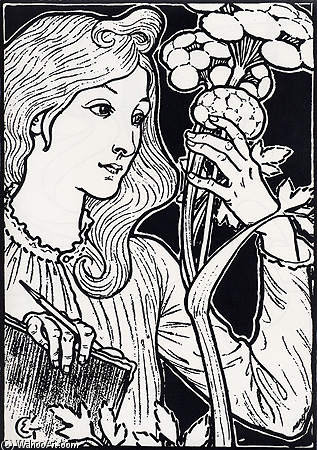
Poster Study

Ο Eugène Grasset (1845-1917) ήταν ένας πρωτοπόρος της Αρχιτεκτονικής Art Nouveau στη Γαλλία και την Ελβετία. Δημιούργησε εμβληματικές αφίσες, σχεδιασμούς επίπλων και ενσωμάτωσε στοιχεία από την ιαπωνική τέχνη και τη βικτοριανή εποχή.

Χειροποίητη Αναπαραγωγή σε Έλαιο

Χειροποίητη α óleo σε καμβά στο δικό σας μέγεθος και πλαίσιο, κατά παραγγελία από τους καλλιτέχνες μας.

Standard
custom
CM
INCH

Επιλέξτε από τις προκαθορισμένες διαστάσεις μας που διατηρούν τις αρχικές αναλογίες του έργου τέχνης.

πλάτος
ύψος

Μπορείτε να εισάγετε δικές σας διαστάσεις για να ταιριάξετε το έργο με ένα συγκεκριμένο πλαίσιο ή χώρο. Εάν το επιλεγμένο μέγεθος δεν συμπίπτει με τις αναλογίες της αρχικής εικόνας, θα περικοψούμε το έργο τέχνης ή θα επεκτείνουμε τη ζωγραφιά με πρόσθετα χειρόγραφα στοιχεία. Ένα ψηφιακό προσχέδιο θα σας σταλεί για έγκριση πριν την έναρξη της παραγωγής.
Παρακαλούμε σημειώστε ότι η προεπισκόπηση στην οθόνη δεν αντικατοπτρίζει την πραγματική περικοπή ή επέκταση. Μόνο το προσχέδιο θα δείξει με ακρίβεια την τελική σύνθεση.
Παρόλο που είναι διαθέσιμα προσαρμοσμένα μεγέθη, συνιστούμε να επιλέξετε μια διάσταση από τη λίστα των προκαθορισμένων μεγεθών για τη διατήρηση των αρχικών αναλογιών.

Παραδείγματα αλλαγών: Αντικατάσταση προσώπου με φωτογραφία του πελάτη· Προσθήκη κατοικίδιου (π.χ., αντικατάσταση γάτας με σκύλο)· Ενσωμάτωση κρυφού μηνύματος στο φόντο· Αλλαγή τοπίου ή στοιχείων του φόντου.
Μετά την παραγγελία, η ομάδα του WahooArt.com θα στείλει email στον πελάτη για οδηγίες και θα παρέχει μια προεπισκόπηση προσχεδίου

Παγκόσμια Αποστολή () σε 3/4 εβδομάδες αντί για τις συνήθεις 5 εβδομάδες. (3 Ιούλιος). Χωρίς συμβιβασμούς στην ποιότητα.

why_choose_icon
Δωρεάν Παγκόσμια Αποστολή Express
why_choose_icon
Κάμβας από Λινό Υψηλής Ποιότητας
why_choose_icon
Πλήρης ασφάλιση μεταφοράς
why_choose_icon
Εγγύηση Επιστροφής Δασμών και Φόρων
why_choose_icon
Εγγύηση Απόλυτης Ομοιότητας Χρωμάτων
why_choose_icon
Πολιτική Επιστροφής 60 Ημερών (Μόνο σε περίπτωση ελαττωμάτων)
why_choose_icon
Εγγύηση επιστροφής 100% των χρημάτων
why_choose_icon
Έκπτωση για πολλαπλές παραγγελίες

Συνολικό Κόστος

-

reproduction

Poster Study

Τεχνική Αναπαραγωγής

Διαστάσεις Αναπαραγωγής

-

Τελική Τιμή

-


Βιογραφία Καλλιτέχνη

Eugène Samuel Grasset (1845-1917): Pioneer of Art Nouveau & decorative design

Eugène Samuel Grasset, born in Lausanne, Switzerland on May 25th, 1845 (though some sources cite 1841), emerged as a pivotal figure bridging the gap between traditional craftsmanship and the burgeoning aesthetic of Art Nouveau. His journey began within an artistic household; his father, a skilled cabinet designer and sculptor, instilled in young Eugène both a practical understanding of materials and a deep appreciation for creative expression. This early exposure fostered a sensitivity to form and detail that would become hallmarks of Grasset’s distinctive style—a style characterized by graceful curves, organic motifs, and an unwavering commitment to elegance and refinement. Initial studies under François-Louis David Bocion honed his drawing skills, but it was a subsequent foray into architectural studies in Zurich that broadened his artistic horizons, though ultimately proved insufficient to contain his burgeoning creativity. A transformative experience followed – a voyage to Egypt after completing his formal education. This journey ignited a lifelong fascination with exoticism and ancient design principles, profoundly influencing the decorative motifs that would later become central to his oeuvre—particularly stylized representations of flora and fauna reminiscent of Egyptian hieroglyphs and monumental sculptures.

Early Artistic Training & Influences

Grasset’s formative years were marked by rigorous artistic training under Bocion, who instilled in him a foundational understanding of sculptural technique and anatomical accuracy. This grounding in classical art would serve as an enduring influence on Grasset's later work, informing his meticulous attention to detail and his preference for idealized forms—a characteristic that distinguishes him from many of his contemporaries. Simultaneously, Zurich’s architectural program exposed him to the grandeur of Gothic cathedrals and stained glass windows, fostering a fascination with structural complexity and visual storytelling. However, it was arguably his encounter with Japanese art that truly revolutionized Grasset's artistic sensibility. The Japanese aesthetic—characterized by flattened perspectives, asymmetrical compositions, and an emphasis on subtle gradations of color—challenged Western conventions and encouraged him to explore new approaches to spatial representation and decorative ornamentation. He meticulously studied Japanese prints and textiles, absorbing their principles of harmony and balance—elements he would subsequently integrate into his own unique visual language.

From Diverse Crafts to Defining a Style

By 1869-1870, Grasset established himself as both a painter and sculptor in Lausanne, demonstrating remarkable versatility across multiple mediums. Yet, the allure of Paris proved irresistible. In 1871, he relocated to France, embarking on an extraordinarily diverse career that encompassed furniture design, fabric creation, tapestry weaving, ceramic artistry, and jewelry making—activities that demanded not only artistic talent but also technical proficiency. These weren’t merely exercises in applied arts; Grasset elevated them to high art, employing luxurious materials like ivory and gold with a meticulous attention to detail and innovative combinations of textures and forms. His creations quickly became foundational elements of the Art Nouveau movement, embodying its organic aesthetic and rejecting rigid academic conventions—a deliberate departure from the prevailing stylistic trends of the time. He skillfully blended Gothic* architecture’s intricate detailing with the elegant simplicity of Japanese aesthetics, forging a distinctive visual vocabulary that resonated with the spirit of the age. This ability to harmonize disparate elements was central to his success and cemented his position as a leading innovator in decorative design.

The Art Nouveau Masterpiece: Poster Design & Beyond

Grasset’s fame ascended rapidly during the 1880s and 1890s, primarily fueled by his groundbreaking achievements in graphic design—specifically poster art. He swiftly gained recognition as a master of the medium, producing lithographs that were not only visually stunning but also remarkably effective in communicating their message—a testament to his understanding of visual communication principles. His *Jeanne d'Arc Sarah Bernhardt* poster became one of his most celebrated works, earning inclusion in the prestigious *Maîtres de l’Affiche* series—a recognition of its artistic merit and enduring popularity. He skillfully utilized bold colors, stylized typography, and evocative imagery to capture the essence of theatrical performance, establishing himself as a pioneer of Art Nouveau’s expressive visual language. Furthermore, Grasset's commissions extended beyond posters; he designed decorative fabrics for prestigious Parisian firms, creating opulent textiles adorned with floral motifs and geometric patterns—a demonstration of his mastery across multiple artistic disciplines. He also contributed illustrations to influential publications like *Harper’s Magazine* and *Century Magazine*, showcasing his talent for storytelling and visual narrative.

Legacy & Enduring Influence

Beyond his prolific creative output, Grasset dedicated himself to education, believing strongly in nurturing the next generation of artists and designers. He taught at École Guérin (1890–1903), École d’art graphique (1903–1904), Académie de la Grande Chaumière (1904–1913)—institutions that recognized his exceptional pedagogical skills—and instilled in his students a profound appreciation for artistic craftsmanship and innovation. Among his notable pupils were Paul Berthon, Georges Bourgeot, Augusto Giacometti, and Arsène Herbinier—all of whom went on to achieve significant success in their own right—a testament to Grasset’s enduring influence on the artistic landscape of France. Eugène Samuel Grasset passed away peacefully in Sceaux, France on October 23rd, 1917, leaving behind a rich artistic legacy—one that continues to inspire designers and artists today. His innovative use of floral motifs, Japanese influences, and historical references remains remarkably relevant, demonstrating the enduring power of his aesthetic vision—a vision that championed beauty, harmony, and the transformative potential of art.

Σημαντικά στοιχεία

  • Artistic Movement Or Style: Αρτ Νουβό
  • Artists Or Movements Influenced By This Artist: ['Αρτ Νουβό σχεδιαστές']
  • Artists Who Influenced This Artist:
    • Βιωλέτ λε Ντουκ
    • Ελληνική τέχνη
  • Date Of Birth: Μαιός 25, 1845
  • Date Of Death: Οκτώβριος 23, 1917
  • Full Name: Eugène Samuel Grasset
  • Nationality: Ελβετικός-Γάλλος
  • Notable Artworks:
    • Ζηνές Αντερκρίτης Σάρλα Μπερνάρτ
    • Σεμέουσα (Η σπορά)
    • Φεβρουάριος
  • Place Of Birth: Λαούσα, Ελβετία