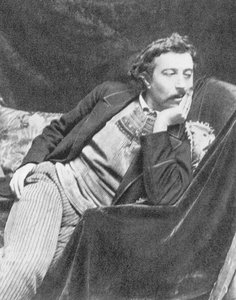
Βιογραφικό Καλλιτέχνη
A Life Painted in Bold Strokes: The World of Paul Gauguin
Eugène Henri Paul Gauguin, ένα όνομα που αντηχεί με έντονα χρώματα και πνευματική ατμόσφαιρα, αποτελεί μια κρίσιμη φιγούρα στην μετάβαση από τον Ιμπρεσιονισμό στον σύγχρονο χώρο της τέχνης. Γεννήθηκε στο Παρίσι το 1848, αλλά η ζωή του δεν ήταν καθόλου συμβατική. Τα πρώτα του χρόνια διαμορφώθηκαν από μια ασυνήθιστη παιδική ηλικία: ο πατέρας του ένας δημοσιογράφος και η μητέρα του καταγόμενη από περουβιανή αριστοκρατία – η γιαγιά της, Flora Tristan, μια πρωτοπόρος φεμινίστρια και σοσιαλιστική συγγραφέας, των οποίων ιδέες αντηχούσαν αναμφίβολα μέσα στην οικογένεια. Αυτή η κληρονομικότητα διαμόρφωσε βαθιά την καλλιτεχνική του όραση, ενσταλάζοντας σε αυτόν μια περιέργεια για πολιτισμούς πέρα από την Ευρώπη. Μια σημαντική περίοδος που πέρασε στην Περού ως παιδί, ακολουθώντας τη μετακόμιση της οικογένειάς του το 1850, τον έσυρε σε έναν κόσμο πολύ διαφορετικό από αυτόν του Παρισιού, μια εμπειρία που παρέμεινε και τελικά τροφοδότησε την επιθυμία του για αυθεντικότητα στην τέχνη. Επιστρέφοντας στη Γαλλία μετά το θάνατο του πατέρα του, ο Gauguin έλαβε μια επίσημη εκπαίδευση αλλά βρήκε τον εαυτό του να τραβιέται όχι από την ακαδημαϊκή ζωή, αλλά στον αναπτυσσόμενο χρηματοπιστωτικό κόσμο, ξεκινώντας μια καριέρα ως διαχειριστής κεφαλαίων – ένα μονοπάτι που φαινόταν αντιθέσιο με το καλλιτεχνικό πεπρωμένο που περίμενε.
Από τη Χρηματοοικονομική Επάγγελμα στην Καλλιτεχνική Κλήση
Για χρόνια, ο Gauguin διηκόνευσε ένα διπλό βιογραφικό, επιδιώκοντας με αφοσίωση τις επιχειρήσεις του ενώ παράλληλα καλλιεργούσε μυστικά μια πάθηση για τη ζωγραφική. Αρχικά επηρεασμένος από τους Ιμπρεσιονιστές, άρχισε να πειραματίζεται με χρώματα και φως στο ελεύθερό του χρόνο, αλλά σύντομα αισθάνθηκε περιορισμούς λόγω της δέσμευσής τους στην καταγραφή στιγμιαίων γεγονότων της πραγματικότητας. Η οικονομική κρίση του 1882 αποτέλεσε μια στροφή, αναγκάζοντάς τον να εγκαταλείψει την επιτυχημένη καριέρα του και να αγκαλιάσει με όλη του τη δύναμη την καλλιτεχνική του κλήση. Αυτό δεν ήταν απλώς μια αλλαγή επαγγέλματος, αλλά μια θεμελιώδης μετατόπιση στον τρόπο σκέψης. Αναζητούσε καθοδήγηση από τον Κάμιλ Πατισό, ο οποίος ενθάρρυνε την ανάπτυξή του και τον εισήγαγε στις προηγμένες κύκλους της Παριζιάνης ζωής. Ωστόσο, ο Gauguin σύντομα άρχισε να αποκλίνει από τις ιμπρεσιονιστικές αρχές, επιθυμώντας κάτι πιο εκφραστικό, κάτι συμβολικό – ένα μέσο για την έκφραση όχι μόνο τι *είδω*, αλλά τι *αίσθηση* έκανα. Αυτή η επιθυμία τον οδήγησε σε ένα ταξίδι καλλιτεχνικής εξερεύνησης που θα ξεπερνούσε τα σαλέ του Παρισιού και θα οδηγήσει στο κέντρο των "πρωτότυπων" πολιτισμών. Δεν ήταν απλώς ενδιαφερόμενος για την απεικόνιση αυτών των πολιτισμών, αλλά επιθυμούσε να απορροφήσει τη φύση τους, πιστεύοντας ότι περιείχαν μια αυθεντικότητα που είχε χαθεί στον δυτικό κόσμο.
Η Κλήση προς τα Βρετανικά Χωριά και την Ταΐτί
Η καλλιτεχνική εξέλιξη του Gauguin συνδέθηκε άρρηκτα με τα ταξίδια του. Επέστρεψε στα βρετανικά χωριά, ενθουσιασμένος από τις σκληρές τοπικές ομορφιές και τις βαθιές παραδόσεις των ανθρώπων τους. Αυτή η περίοδος είδε τον Gauguin να πειραματίζεται με απλοποιημένες μορφές, έντονες περιγράμματα και μια απλοποίηση της σύνθεσης – τεχνικές που τον οδήγησαν πιο μακριά από τον ρεαλισμό και πιο κοντά σε μια πιο συμβολική γλώσσα. Αλλά το ταξίδι του στην Ταΐτί το 1891 ήταν αυτό που απελευθέρωσε πραγματικά τη δημιουργική του δυναμικότητα. Αναζητώντας καταφύγιο από αυτά που θεωρούσε ότι ήταν οι περιοριστικοί παράγοντες της ευρωπαϊκής κοινωνίας, ο Gauguin ήθελε να βρει έμπνευση στον πολιτισμό των Ταϊτίων, πιστεύοντας ότι προσέφερε έναν πιο αυθεντικό και πνευματικά πλούσιο τρόπο ζωής. Αυτό δεν ήταν απλώς μια καλλιτεχνική επιδίωξη, αλλά μια πνευματική αναζήτηση. Έμεινε ενσωματωμένος στις τοπικές συνήθειες και τις πεποιθήσεις, απεικονίζοντας τα Ταϊτίτικα γυναίκες, τοπία και θρησκευτικές πρακτικές μέσα από τον μοναδικό του φακό. Επηρεασμένος από τα ιαπωνικά τυπογραφικά έργα (Japonisme) και την μεσαιωνική τέχνη, ανέπτυξε μια μοναδική αισθητική που χαρακτηριζόταν από έντονα χρώματα, εξωτικά θέματα και μια ατμόσφαιρα μυστηρίου. Εμβληματικές ζωγραφιές όπως "Vahine no te miti” (Γυναίκα με Μάνγκο), “Manao Tupapau” (Παρακολουθώντας το Πνεύμα του Νεκρού) και “The Day of Gods προέκυψαν από αυτή την περίοδο, σταθεροποιώντας τη φήμη του ως ενός πρωτοποριακού καλλιτέχνη. Η χρήση του χρώματος έγινε όλο και πιο έντονη και μη-φυσική, υπηρετώντας όχι την αναπαράσταση της πραγματικότητας, αλλά την έκφραση συναισθημάτων και πνευματικής σημασίας.
Κληρονομιά και Έκπληξη
Παρά τις καλλιτεχνικές του επιτυχίες, η ζωή του Gauguin ήταν συχνά χαρακτηρισμένη από δυσκολίες. Είχε οικονομικά προβλήματα και υποφέρει από προβλήματα υγείας κατά τη διάρκεια της παραμονής του στην Ταΐτί και αργότερα στα νησιά Μάρκες, όπου τελικά εγκαταστάθηκε. Ωστόσο, συνέχισε να ζωγραφίζει αμείλικτα, εξερευνώντας συνεχώς θέματα ζωής, θανάτου και πνευματικότητας. Πέθανε το 1903 στο νησί Hiva Oa, σε απομονωμένο νησί των νησιών Μάρκες, σχεδόν μη αναγνωρισμένος για τη δεινότητα του. Μόνο μετά τον θάνατό του η τέχνη του άρχισε να λαμβάνει την αναγνώριση που της αξούσιαζε. Σήμερα, τιμάται ως μια κρίσιμη φιγούρα στην ανάπτυξη της σύγχρονης τέχνης, γεφυρώνοντας το χάσμα μεταξύ του Ιμπρεσιονισμού και του Συμβολισμού και ανοίγοντας τον δρόμο για κινήσεις όπως το Fauvism. Η χρήση του χρώματος, των απλοποιημένων σχημάτων και της συμβολικής απεικόνισης επηρέασε βαθιά τους καλλιτέχνες όπως οι Pablo Picasso, Henri Matisse και πολλούς άλλους. Ωστόσο, ο Gauguin παραμένει μια αμφιλεγόμενη φιγούρα λόγω των πτυχών της προσωπ



 Προεπισκόπηση
 Αγορά χειροποίητου πίνακα
 Αποστολή
 Κοινοποίηση
 Λεπτομέρειες
 Οδηγός

 Λήψη
Λήψη
 Παρόμοια αντικείμενα συλλογής
 Ακτινογραφία
 Παρουσίαση
 Στατιστικά

 Περισσότερα λεπτομέρεια






































 Η επιλογή με γυαλί είναι διαθέσιμη μόνο για μεγέθη κάτω από 110 εκ.