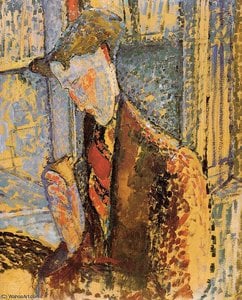
A Life Forged in Expression: The World of Ernst Ludwig Kirchner
Ernst Ludwig Kirchner, ένα όνομα συνυφασμένο με τη δυναμική καινοτομία του Γερμανικού Εξπρεσιονισμού, γεννήθηκε σε έναν κόσμο που βρισκόταν στην ευρύτερη γωνία μιας δραματικής αλλαγής. Η άφιξή του στην Ασχάffenμπουργκ, της Βαυαρίας, το 1880, σηματοδότησε την έναρξη μιας ζωής βαθιά συνδεδεμένης με την καλλιτεχνική καινοτομία και προσωπικές περιπέτειες. Οι μεταβαλλόμενες τοποθεσίες της παιδικής του ηλικίας – καθορισμένες από την εργασία του πατέρα του – εμφυσάσανε σε αυτόν ένα αίσθημα απομάκρυνσης που αργότερα θα διαφωτισόταν στις τέχνες του. Από τη Φρανκφούρτη στη Πέρλεν και τελικά εγκαταστάθηκε στην Τσέμνιτς, ο νεαρός Kirchner απορρόφησε τις αναδύουσες ανησυχίες μιας γρήγορα εξελισσόμενης Γερμανίας. Παρά την αρχική κατεύθυνση προς την αρχιτεκτονική στο Königliche Technische Hochschule στη Δρέσδη, η έλξη για τη ζωγραφική, τροφοδοτούμενη από θαυμασμό για μάστερς όπως ο Albrecht Dürer και μια αυξανόμενη δυσαρέσκεια για τις ακαδημικές συμβάσεις, οριστικά διαμόρφωσε τον δρόμο του. Βρήκε συγγένεια με άλλους επαναστάτες – Fritz Bleyl, Karl Schmidt-Rottluff και Erich Heckel – δημιουργώντας δεσμούς που θα άλλαζαν αναπόσπαστα την πορεία της τέχνης του 20ου αιώνα.
The Bridge Between Worlds: Die Brücke and Artistic Revolution
Το 1905, ο Kirchner έγινε ιδρυτικό μέλος της *Die Brücke* (“Η Γέφυρα”), ενός καλλιτεχνικού σωματείου αφιερωμένου στη γεφύρωση του χάσματος μεταξύ των παραδοσιακών αισθητικών και μιας πιο ζωντανής, συναισθηματικά φορτισμένης μορφής έκφρασης. Αυτό δεν ήταν απλώς μια καλλιτεχνική επιλογή, αλλά μια φιλοσοφική στάση. Ο όρος αναζητούσε έμπνευση από πηγές που συχνά παραμελούνταν από τον καθιερωμένο καλλιτεχνικό κόσμο – πρωτόγονες τέχνες από την Αφρική και την Ωκεανία, οι τολμηρές χρωματικές παλέτες του Vincent van Gogh και η τρομακτική ψυχολογική βάθος του Edvard Munch. Άφησαν πίσω τους τις ιδανικές αναπαραστάσεις της ομορφιάς που προτιμήθηκαν από τον ακαδημικό ζωγραφικό κόσμο, υιοθετώντας αντί αυτού παραμόρφωση, έντονες χρωματικές παλέτες και εκφραστική χειρονομία για να μεταφέρουν τις ανησυχίες και την απομόνωση της σύγχρονης ζωής. Τα πρώιμα έργα του Kirchner, που γεννήθηκαν από αυτή τη συνεργατική πνοή, έλαμπαν με μια ανεξέλεγκτη ενέργεια, αντανακλώντας το κοινό τους επιθυμία να απελευθερωθούν από καλλιτεχνικούς περιορισμούς. Το εργαστήριο έγινε ένα κρυστάλλι για πειραματισμό, ένας χώρος όπου οι κοινωνικοί κανόνες αμφισβήτησαν παράλληλα τις καλλιτεχνικές συμβάσεις. Η εξερεύνηση της ανθρώπινης μορφής, ιδιαίτερα της γυναίκας ντυμένης, τόσο σε αστικά όσο και σε φυσικά περιβάλλοντα, έγινε ένα επαναλαμβανόμενο θέμα, επιτρέποντας στον Kirchner να διερευνήσει την κίνηση, τα συναισθήματα και τις πολυπλοκότητες της σύγχρονης ζωής.
Urban Anxieties and Bold Visions: Defining a Style
Ο καλλιτεχνικός στυλ του Kirchner είναι αμέσως αναγνωρίσιμος για τα ιδιαίτερα χαρακτηριστικά του. Δεν χρησιμοποίησε το χρώμα ως μέσο πιστής αναπαράστασης, αλλά ως εργαλείο για την πρόκληση συναισθημάτων – ζωντανές, συχνά μη φυσικές χρωματικές παλέτες που ενίσχυσαν το αίσθημα της ανησυχίας ή της έντασης στα έργα του. Οι πινελίες του ήταν ενεργητικοί και ορατοί, συμβάλλοντας στην συνολική αίσθηση άμεσης έκφρασης. Οι μορφές και τα αντικείμενα συχνά παραμορφώθηκαν ή εκτελούνταν, αντανακλώντας μια υποκειμενική παρά μια αντικειμενική πραγματικότητα. Πιο σημαντικά, ο Kirchner κατόρθωσε να αποτυπώσει την ψυχολογική επίδραση της σύγχρονης αστικής ζωής στη Γερμανία του πρώτου 20ου αιώνα. Τα έργα όπως το *The Street* (1908) δεν είναι απλώς απεικονίσεις αστικών σκηνών, αλλά πορτρέτα απομόνωσης, που συλλαμβάνουν την έντονη ενέργεια και συναισθηματική αποστασιοποίηση ενός γρήγορα μεταβαλλόμενου κόσμου. Δεν δίστασε να απεικονίσει τις σκοτεινότερες πτυχές της σύγχρονης ζωής – την μοναξιά, τον ανωνυμισμό, το αίσθημα ότι κατακλύζεται από την ίδια τη κλίμακα του αστικού κόσμου. Αυτός ο άμεσος και ειλικρινής τρόπος απεικόνισης καθιστούσε τον Kirchner έναν αφηγητή της εποχής του, έναν καλλιτέχνη που τολμούσε να αντιμετωπίσει τις ανησυχίες που σιγοβόησαν κάτω από την επιφάνεια των κοινωνικών προόδων.
Tragedy and Legacy: A Lasting Impact
Η ζωή του Kirchner σημαδεύτηκε τραγικά από προσωπικές μάχες. Οι εφιαλτικές εμπειρίες του Πρώτου Παγκοσμίου Πολέμου πυροδότησαν μια σοβαρή ψυχική και σωματική κατάρρευση, αναγκάζοντάς τον να καταφύγει στη Σουίτσερλανδία σε αναζήτηση παρηγοριάς. Ωστόσο, ακόμη και στην εξορία, συνέχισε να δημιουργεί, τα έργα του αντανακλούσαν το συνεχιζόμενο τραύμα και την απομόνωση που βίωνε. Η άνοδος των Ναζί στα τέλη της δεκαετίας του 1930 έφερε περαιτέρω δυσκολίες: πάνω από 600 από τα έργα του κατασχέθηκαν και χαρακτηρίστηκαν ως "υποβιβασμένα" τέχνες – μια καταστροφική ενέργεια που υπογράμμισε την πολιτική ατμόσφαιρα της εχθρικής στάσης προς την σύγχρονη καλλιτεχνική έκφραση. Αντιμετωπίζοντας διώξεις και φθίνουσα υγεία, ο Kirchner αυτοκτόνησε στο Davos, στη Σουίτσερλανδία, το 1938. Παρά αυτόν τον τραγικό θάνατο, η κληρονομιά του Ernst Ludwig Kirchner παραμένει βαθιά επιδραστική. Στέκεται ως μια βασική φιγούρα του Γερμανικού Εξπρεσιονισμού, εμπνέοντας γενιές καλλιτεχνών με το τολμηρό του στυλ, τις συναισθηματικά φορτισμένες απεικονίσεις της σύγχρονης ζωής και τη συνεχή δέσμευσή του στην καλλιτεχνική αλήθεια. Τα έργα του συνεχίζουν να εκτίθενται σε σημαντικά μουσεία παγκομίως, λειτουργώντας ως μια ισχυρή υπενθύμιση της διαρκούς δύναμης της τέχνης να αντιμετωπίσει, να προκαλέσει και τελικά να φωτίσει την ανθρώπινη κατάσταση.
- Influenced By: Albrecht Dürer, Vincent van Gogh, Edvard Munch, Primitive Art (African & Oceanic)
- Influenced:



 Προεπισκόπηση
 Αγορά χειροποίητου πίνακα
 Αποστολή
 Κοινοποίηση
 Λεπτομέρειες
 Οδηγός

 Λήψη
Λήψη
 Παρόμοια αντικείμενα συλλογής
 Ακτινογραφία
 Παρουσίαση
 Στατιστικά

 Περισσότερα λεπτομέρεια






































 Η επιλογή με γυαλί είναι διαθέσιμη μόνο για μεγέθη κάτω από 110 εκ.