Προεπισκόπηση σε πραγματική κλίμακα Προεπισκόπηση σε AR Μετάβαση σε Εκτυπώσεις Αγορά χειροποίητου πίνακα Αποστολή
Λεπτομέρειες Οδηγός Προσθήκη στα αγαπημένα Λήψη Παρόμοια αντικείμενα συλλογής Ακτινογραφία Παρουσίαση Q&A Στατιστικά

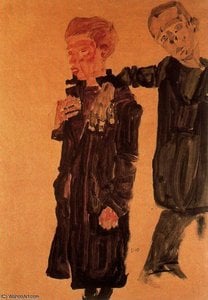
Two Guttersnipes

Explore 'Two Guttersnipes' by Egon Schiele – a haunting Expressionist masterpiece featuring distorted figures & vibrant colors. Discover this pivotal 20th-century artwork.

Ο Εγόν Σχιέλε: Ένας εκφραστής της ψυχής με έντονα έργα, αυτοπροσωπογραφίες και απεικονίσεις θανάτου & σεξουαλικότητας. Ανακαλύψτε τις μοναδικές του αναπαραστάσεις!

Λάβετε ένα αρχείο έτοιμο για εκτύπωση, με ποιότητα πολύ ανώτερη από την προεπισκόπηση στον ιστότοπο. Κάθε ψηφιακή εικόνα που διαθέτουμε προέρχεται από ένα αρχείο υψηλής ανάλυσης στη βάση δεδομένων μας —συνήθως με πλάτος 5.000 έως 15.000 pixel— ώστε να μπορείτε να εκτυπώσετε σε μεγάλο μέγεθος, να κάνετε στενές κοψιμές ή να αναπαράγετε τις λεπτομέρειες με απόλυτη εμπιστοσύνη.

Κανένα αρχείο δεν φεύγει από το στούντιο μας χωρίς να υποστεί επεξεργασία. Ένας ειδικός ψηφιακών εικόνων ελέγχει τα χρώματα σε σύγκριση με το πρωτότυπο έργο και τα διορθώνει αν χρειαστεί, στη συνέχεια βελτιώνει την καθαρότητα και τις λεπτομέρειες με επαγγελματικά εργαλεία αφαίρεσης ατέλειων — παραμένοντας πάντα πιστός στις πινελιές και το ύφος του καλλιτέχνη. Το αποτέλεσμα είναι μια εικόνα που μοιάζει με το ίδιο το αριστούργημα και όχι με ένα σκανάρισμα με φίλτρα.

Εγκρίνετε πριν την ολοκλήρωση: ο ειδικός μας σας στέλνει την εικόνα μέσω e-mail εντός 72 ωρών για επανεξέταση. Δεν είστε ικανοποιημένοι; Ζητήστε βελτιώσεις ή διορθώσεις, ή ζητήστε επιστροφή χρημάτων εάν η ποιότητα δεν ανταποκρίνεται στις προσδοκίες σας.

Αυτή είναι η ποιότητα στην οποία εμπιστεύονται οι εκδότες, τα design studios, οι γκαλερί και τα εκτυπωτήρια.

Ψηφιακή εικόνα

Κατεβάστε ένα αρχείο υψηλής ανάλυσης για προσωπική χρήση, εκτύπωση και δημιουργικά έργα. ( Μετάβαση σε Εκτυπώσεις Αγορά χειροποίητου πίνακα)

Συνολικό Κόστος

€ 22,13

Περιλαμβάνεται σε κάθε παραγγελία ψηφιακής εικόνας

Επαγγελματική Ψηφιακή Παράδοση με Εγγύηση

Όταν επιλέγετε το WahooArt.com, δεν αποκτάτε απλώς μια εικόνα – λαμβάνετε ένα επαγγελματικά αναβαθμισμένο ψηφιακό έργο τέχνης, δημιουργημένο με ακρίβεια και με εγγύηση ικανοποίησης. Δείτε όλα όσα περιλαμβάνονται στην παραγγελία σας, αυτόματα:

Άμεση αποστολή μέσω email

Το ψηφιακό σας αρχείο εικόνας υψηλής ανάλυσης θα σας σταλεί μέσω email εντός 72 ωρών από την παραγγελία σας — έτοιμο για άμεση χρήση.

Ψηφιακό Αρχείο με Τεχνητή Νοημοσύνη

Το έργο σας βελτιστοποιείται επαγγελματικά με τη χρήση προηγμένων εργαλείων Τεχνητής Νοημοσύνης και χειροκίνητης επεξεργασίας, εξασφαλίζοντας μέγιστη λεπτομέρεια, ευκρίνεια και ακρίβεια χρωμάτων.

Δωρεάν επανεκδόσεις مدى ζωής

Απώλησες ή διαγράψατε κατά λάθος το αρχείο σας; Μην ανησυχείτε — θα σας το ξαναστείλομε οποιαδήποτε στιγμή, δωρεάν.

Χωρίς Τελωνειακούς Φόρους - Ποτέ

Απολαύστε αμέσως τα έργα τέχνης σας χωρίς δασμούς, φόρους ή έξοδα αποστολής - οι ψηφιακές λήψεις είναι πάντα αφορεশিপτεία.

Εγγύηση Ακριβούς Χρωματισμού

Εξασφαλίζουμε ότι η ψηφιακή σας εικόνα αποτυπώνει τα αυθεντικά χρώματα όσο το δυνατόν πιστότερα, χρησιμοποιώντας επαγγελματικά εργαλεία και διαχείριση χρωμάτων.

Εγγύηση Ικανοποίησης 100 Ημερών

Εάν δεν είστε ικανοποιημένοι με την ψηφιακή σας εικόνα, θα την τροποποιήσουμε ή θα σας επιστρέψουμε το 100% εντός 100 ημερών — χωρίς κανένα ερώτημα.

100% Εγγύηση Επιστροφής Χρήματος

Δεν είστε ικανοποιημένοι; Λάβετε πλήρη επιστροφή των χρημάτων σας εντός 100 ημερών από τη λήψη του ψηφιακού σας αρχείου — χωρίς κανένα ερώτημα.

Εκπτώσεις σε μεγάλες παραγγελίες

Αγοράστε 3 εικόνες, κάντε εξοικονόμηση 10% - Αγοράστε 5, κάντε εξοικονόμηση 15% - Αγοράστε 10+, κάντε εξοικονόμηση 20%. Ιδανικό για δημιουργικά έργα, γκαλερί και agencies.

Σημαντικά στοιχεία

  • subject: Two figures, social commentary, psychological tension
  • year: 1910
  • artist: Egon Schiele
  • medium: Oil on paper/board (presumed)

ΚВИΖ Τέχνης

Για κάθε ερώτηση υπάρχει μόνο μία σωστή απάντηση.

Ερώτηση 1:
To which artistic movement does 'Two Guttersnipes' by Egon Schiele most closely belong?
Ερώτηση 2:
What is a prominent characteristic of Schiele’s technique evident in 'Two Guttersnipes'?
Ερώτηση 3:
What year was ‘Two Guttersnipes’ created?
Ερώτηση 4:
The figures in 'Two Guttersnipes' are characterized by…

A Glimpse into Vienna’s Underbelly: Decoding Egon Schiele's “Two Guttersnipes”

This arresting work by Egon Schiele, painted in 1910, offers a raw and unflinching portrayal of societal marginalization. *“Two Guttersnipes"* isn’t merely a depiction of two figures; it is a visceral exploration of poverty, alienation, and the psychological weight carried by those existing on the fringes of Viennese society during a period of rapid social change.

Stylistic Innovation & Expressionist Roots

Schiele was a pivotal figure in early 20th-century art, and this painting exemplifies his distinctive style – a potent blend of Symbolism and Expressionism. The work abandons traditional academic realism in favor of distorted forms, exaggerated proportions, and intensely saturated colors. Notice how the figures are not rendered with anatomical precision but rather as emotionally charged vessels. The loose, gestural brushstrokes contribute to a sense of unease and immediacy, while the flattened perspective denies any illusionistic depth, forcing the viewer into direct confrontation with the subjects. This deliberate stylistic choice underscores Schiele’s focus on conveying inner psychological states over objective representation.

Technique & Materiality

Schiele's masterful use of oil paint – likely combined with other mediums to achieve textural effects – is central to the painting’s impact. The impasto technique, where paint is applied thickly, creates a tangible surface that invites tactile engagement (even through reproduction). This textured quality amplifies the emotional intensity and adds a layer of physicality to the figures' vulnerability. The warm, muted brown background serves as a grounding element, allowing the vibrant colors of the figures to leap forward, further emphasizing their isolation.

Subject Matter & Social Commentary

The title itself – “Guttersnipes” – is deliberately provocative, referencing children or young people who scavenge in the streets. The subjects’ gaunt features and downcast gazes suggest hardship and desperation. Their interaction, though ambiguous, hints at a shared experience of suffering. Schiele wasn't simply documenting poverty; he was probing the psychological consequences of social inequality and challenging conventional notions of beauty and dignity. The painting can be interpreted as a critique of societal indifference towards the marginalized.

Historical Context: Vienna 1910

Vienna at the turn of the century was a city grappling with profound transformations – industrialization, urbanization, and shifting social hierarchies. This period also witnessed a flourishing of artistic innovation, including the Secession movement (of which Schiele was initially associated). Schiele’s work emerged as a counterpoint to the more decorative aspects of the Secession, embracing a rawer, more confrontational aesthetic that reflected the anxieties and contradictions of modern life. He challenged the established norms and explored taboo subjects with unflinching honesty.

Emotional Resonance & Lasting Impact

“Two Guttersnipes” is not an easy painting to look at. It evokes feelings of discomfort, empathy, and perhaps even a sense of moral responsibility. Schiele’s ability to capture the raw emotional core of his subjects continues to resonate with viewers today. The work serves as a powerful reminder of the enduring human cost of social injustice and the importance of confronting uncomfortable truths. For collectors and interior designers, this piece – or a high-quality reproduction – offers a compelling statement, adding depth, complexity, and intellectual weight to any space.

Further Exploration

  • Consider exploring works by Schiele’s contemporaries like Heinrich Böhler and Broncia Koller-Pinell for further insight into the Viennese Expressionist movement.
  • Visit the Egon Schiele Art Centrum in Český Krumlov, Czech Republic to immerse yourself in his world.
  • Explore collections at institutions such as The J. Paul Getty Museum and Serpentine Galleries which often feature works from this era.

Ερωτήσεις και Απαντήσεις

Είναι το "Two Guttersnipes" ένα διάσημο έργο της καλλιτεχνικής κατεύθυνσης Expressionism;

Το έργο "Two Guttersnipes" του Εγόν Σχιέλε ταξινομείται ως Recognized και ανήκει στο καλλιτεχνικό ρεύμα Expressionism.

Ποιο μέγεθος εκτύπωσης πρέπει να επιλέξω για το "Two Guttersnipes" ώστε να ταιριάζει στο δωμάτιό μου;

Για έναν χώρο τύπου Living Room, προτείνεται η εκτύπωση του έργου "Two Guttersnipes" σε μέγεθος Medium.

Πόσο έντονη είναι η παλέτα χρωμάτων του "Two Guttersnipes";

Το έργο "Two Guttersnipes" του Εγόν Σχιέλε παρουσιάζει κορεσμό με ένταση Clear Color Presence.


Βιογραφικό Καλλιτέχνη

A Life Forged in Expression

Egon Schiele’s life, a turbulent and intensely personal journey, unfolded within the vibrant yet shadowed landscape of early 20th-century Vienna. Born in Tulln an der Donau in 1890, his existence was immediately marked by profound loss – the untimely death of his father, Adolf Schiele, from syphilis when Egon was just fourteen years old. This tragedy cast a long shadow over his psyche, fueling a lifelong preoccupation with mortality and the fragility of human existence. Raised initially by his mother and then under the somewhat controlling guardianship of his uncle Leopold Czihaczek, Schiele’s childhood lacked the stability often associated with traditional upbringing, yet it fostered within him an independent spirit and a deep sensitivity to the world around him. From a young age, he displayed a remarkable aptitude for drawing, initially met with disapproval from his father who viewed it as a distraction from more practical pursuits. The early loss of his sister Elvira further deepened this sense of vulnerability and shaped his artistic vision. These formative experiences—illness, loss, and a yearning for autonomy—became the bedrock upon which Schiele’s distinctive artistic voice was built.

The Crucible of Vienna: Artistic Development

Schiele's formal artistic training began at the Kunstgewerbeschule (School of Arts and Crafts) in Vienna, but he quickly found himself stifled by its conservative approach. Seeking a more challenging environment, he transferred to the Akademie der bildenden Künste (Academy of Fine Arts), only to discover that even this institution’s rigid academic traditions failed to satisfy his artistic ambitions. Dissatisfied with the prevailing norms, Schiele ultimately abandoned formal training altogether, choosing instead to forge his own path—a bold decision that reflected his unwavering conviction and determination to express himself authentically. A pivotal influence during these early years was Gustav Klimt, a celebrated figure of the Viennese Secession. Schiele deeply admired Klimt’s decorative style and his exploration of symbolism, even receiving mentorship from the established artist. However, Schiele soon diverged significantly from Klimt's aesthetic, developing a uniquely personal style characterized by its stark honesty, psychological intensity, and unflinching portrayal of human vulnerability. He became a founding member of the *Neues Wiener Kunstgruppe* (New Viennese Art Group) in 1909, alongside other progressive artists who challenged the established artistic conventions of the time. This group provided a space for experimentation and innovation, allowing Schiele to further refine his distinctive vision.

Raw Emotion and Unflinching Truth

Egon Schiele’s art is immediately recognizable for its raw honesty and psychological depth. He fearlessly confronted themes often considered taboo – sexuality, death, anxiety, isolation – with an unflinching gaze. His distinctive style features elongated figures, contorted poses, and expressive lines that convey a sense of unease and emotional intensity. The human form, particularly the nude, became his primary subject, not as an object of idealized beauty but as a vehicle for exploring the complexities of human experience. Self-portraits constitute a significant portion of his oeuvre, offering intimate glimpses into his inner world—a world often marked by loneliness and self-doubt. He didn’t shy away from depicting himself in unflattering or vulnerable poses, revealing a profound level of self-awareness and introspection. Beyond self-portraiture, Schiele created numerous portraits of others, capturing their likenesses with an unsettling realism that seemed to penetrate beneath the surface. Recurring motifs like the *Physalis* plant – symbolizing death and transience with its delicate, papery husk – further underscore this preoccupation with mortality. His landscapes, while less central to his work than his figurative paintings, demonstrate his mastery of form and color, often reflecting the same emotional intensity as his portraits. The use of line is particularly striking in Schiele’s work; it's not merely a tool for defining shape but an expressive force that conveys emotion and psychological tension.

A Legacy Cut Short: Achievements & Significance

Despite facing censorship and legal challenges – including a brief imprisonment for allegedly corrupting minors with his art – Schiele gained recognition within Vienna’s avant-garde circles. His work challenged the conventions of the time, provoking both admiration and outrage. By the time of his untimely death during the Spanish flu pandemic in 1918 at the age of twenty-eight, he had established himself as a leading figure in Austrian Expressionism. Significant works such as *Self-Portrait with Physalis*, *Couple Embracing*, and *Field Landscape (Kreuzberg near Krumau)* stand as testaments to his artistic genius. His influence on subsequent generations of artists is undeniable, particularly those interested in exploring psychological themes and challenging conventional artistic norms. Schiele’s bold approach to form and subject matter continues to resonate with audiences today, making him one of the most important and influential figures in early 20th-century art. His paintings are now held in major museum collections worldwide, including the Leopold Museum in Vienna and the Egon Schiele Art Centrum in Český Krumlov, ensuring his artistic legacy endures. He left behind a body of work that is not merely aesthetically compelling but profoundly human—a testament to the power of art to confront the complexities of existence with honesty, courage, and unwavering vision.
  • Key Themes: Mortality, sexuality, isolation, psychological turmoil.
  • Influences: Gustav Klimt, Viennese Secession, personal trauma.
  • Style Characteristics: Elongated figures, contorted poses, expressive lines, raw emotion.
Εγόν Σχιέλε

Εγόν Σχιέλε

1890 - 1918 , Αυστρία

Σύντομη Βιογραφία

  • Artistic Movement Or Style: Εξπressionισμός
  • Artists Or Movements Influenced By This Artist: ['Εξπressionισμός']
  • Artists Who Influenced This Artist: ['Gustav Klimt']
  • Date Of Birth: 12 Ιουνίου 1890
  • Date Of Death: 31 Οκτωβρίου 1918
  • Full Name: Egon Leo Adolf Ludwig Schiele
  • Nationality: Αυστριακός
  • Notable Artworks:
    • Αυτοπροσωπογραφία
    • Ζευγάρι αγκαλιάζοντας
    • Τομέας τοπίων
  • Place Of Birth: Tulln, Αυστρία