ΔΩΡΕΑΝ ΣΥΜΒΟΥΛΗ ΤΕΧΝΗΣ

x
Αγορά εκτύπωσης Αγορά εκτύπωσηςΑγορά ψηφιακής εικόνας Αγορά ψηφιακής εικόνας ΑποστολήΑποστολή
ΛεπτομέρειεςΛεπτομέρειες Προσθήκη στα αγαπημένα Προσθήκη στα αγαπημένα ΛήψηΛήψη Παρόμοια έργαΠαρόμοια έργα ΑκτινογραφίαΑκτινογραφία ΠαρουσίασηΠαρουσίαση

Sunflower

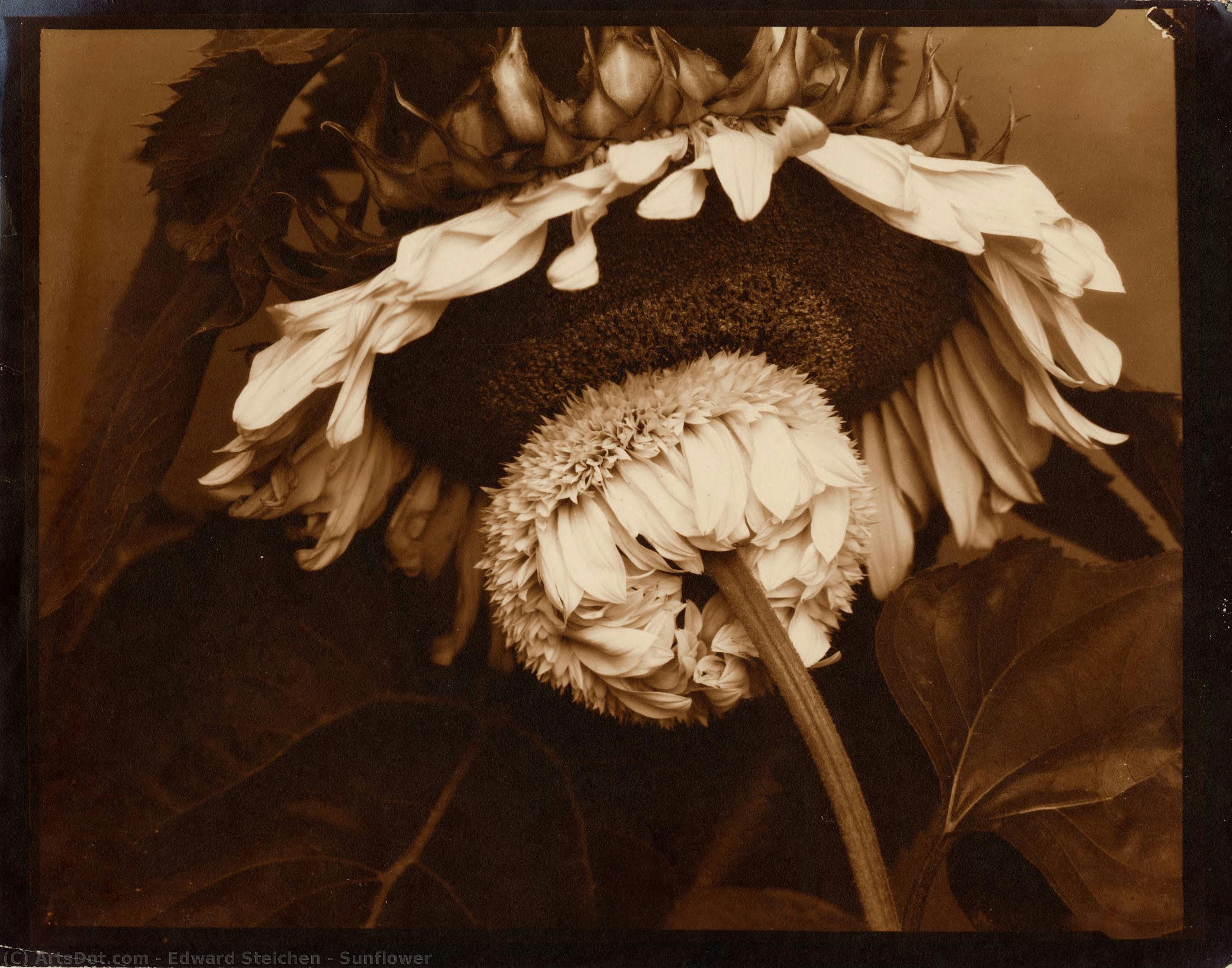
Edward Steichen's 'Sunflower' captures the vibrant beauty of nature with bold brushstrokes and rich colors. A stunning example of early 20th-century art, it showcases Steichen’s mastery and artistic vision.

Ανακαλύψτε τον καλλιτεχνικό ταξίδι του Έντουαρ্ড Στείχεν: από τη φωτογράφηση και την αρχιτεκτονική έως την επιμέλεια της έκθεσης «Η Οικογένεια Ανθρώπων». Εξερευνήστε τις εμβληματικές του εικόνες και την διαρκή επιρροή στην οπτική κουλτούρα.

Χειροποίητη Αναπαραγωγή σε Έλαιο

Χειροποίητη α óleo σε καμβά στο δικό σας μέγεθος και πλαίσιο, κατά παραγγελία από τους καλλιτέχνες μας.

P118B $10
P118H $10
P118W $10
P438Z $10
P508JH $12
P508YH $12
P805H $10
P805Z $10
P919BZ $10
P919G $10
P919XJ $10
P959ZH $10
P968JZ $12
W106C $8
W218G $10
W218JH $8
W218Y $10
W307PJ $10
W316G $10
W316PJ $8
W316Y $10
W398PJ $8
W4111J $10
W500HY $15
W500JH $15
W692G $12
W849H $8
W940BG $15
W953PJ $8

Standard
custom
CM
INCH

Επιλέξτε από τις προκαθορισμένες διαστάσεις μας που διατηρούν τις αρχικές αναλογίες του έργου τέχνης.

πλάτος
ύψος

Μπορείτε να εισάγετε δικές σας διαστάσεις για να ταιριάξετε το έργο με ένα συγκεκριμένο πλαίσιο ή χώρο. Εάν το επιλεγμένο μέγεθος δεν συμπίπτει με τις αναλογίες της αρχικής εικόνας, θα περικοψούμε το έργο τέχνης ή θα επεκτείνουμε τη ζωγραφιά με πρόσθετα χειρόγραφα στοιχεία. Ένα ψηφιακό προσχέδιο θα σας σταλεί για έγκριση πριν την έναρξη της παραγωγής.
Παρακαλούμε σημειώστε ότι η προεπισκόπηση στην οθόνη δεν αντικατοπτρίζει την πραγματική περικοπή ή επέκταση. Μόνο το προσχέδιο θα δείξει με ακρίβεια την τελική σύνθεση.
Παρόλο που είναι διαθέσιμα προσαρμοσμένα μεγέθη, συνιστούμε να επιλέξετε μια διάσταση από τη λίστα των προκαθορισμένων μεγεθών για τη διατήρηση των αρχικών αναλογιών.

Παραδείγματα αλλαγών: Αντικατάσταση προσώπου με φωτογραφία του πελάτη· Προσθήκη κατοικίδιου (π.χ., αντικατάσταση γάτας με σκύλο)· Ενσωμάτωση κρυφού μηνύματος στο φόντο· Αλλαγή τοπίου ή στοιχείων του φόντου.
Μετά την παραγγελία, η ομάδα του WahooArt.com θα στείλει email στον πελάτη για οδηγίες και θα παρέχει μια προεπισκόπηση προσχεδίου

Παγκόσμια Αποστολή () σε 3/4 εβδομάδες αντί για τις συνήθεις 5 εβδομάδες. (2 Ιούλιος). Χωρίς συμβιβασμούς στην ποιότητα.

why_choose_icon
Δωρεάν Παγκόσμια Αποστολή Express
why_choose_icon
Κάμβας από Λινό Υψηλής Ποιότητας
why_choose_icon
Πλήρης ασφάλιση μεταφοράς
why_choose_icon
Εγγύηση Επιστροφής Δασμών και Φόρων
why_choose_icon
Εγγύηση Απόλυτης Ομοιότητας Χρωμάτων
why_choose_icon
Πολιτική Επιστροφής 60 Ημερών (Μόνο σε περίπτωση ελαττωμάτων)
why_choose_icon
Εγγύηση επιστροφής 100% των χρημάτων
why_choose_icon
Έκπτωση για πολλαπλές παραγγελίες

Συνολικό Κόστος

-

reproduction

Sunflower

Τεχνική Αναπαραγωγής

Διαστάσεις Αναπαραγωγής

-

Τελική Τιμή

-

Σημαντικά στοιχεία

  • Dimensions: 92.1 x 81.9 cm
  • Notable elements: Detailed brushstrokes
  • Year: 1920
  • Subject or theme: Floral still life
  • Title: Sunflower
  • Influences: Impressionism
  • Movement: Pictorialism

ΚВИΖ Τέχνης

Για κάθε ερώτηση υπάρχει μόνο μία σωστή απάντηση.

Ερώτηση 1:
What is the primary subject of Edward Steichen’s ‘Sunflower’?
Ερώτηση 2:
In what year was Edward Steichen’s ‘Sunflower’ painted?
Ερώτηση 3:
Edward Steichen was a pioneer in which photographic genre?
Ερώτηση 4:
What artistic movement is Edward Steichen most associated with?
Ερώτηση 5:
The ‘Sunflower’ painting utilizes what technique primarily?

Περιγραφή Έργου

A Luxembourgian Seed Takes Root: The Genesis of “Sunflower”

Edward Steichen’s 1920 painting, "Sunflower," isn’t merely a depiction of a flower; it's a poignant distillation of memory, displacement, and the enduring search for belonging. Born in the small, unassuming village of Bivange, Luxembourg, in 1879 – a region steeped in history and shadowed by the shifting borders of Europe – Steichen’s early life was marked by an emigration to America at just eighteen months old. This relocation, a common experience for Luxembourgers facing economic hardship, instilled within him a profound sense of rootlessness, a feeling that would subtly permeate his artistic vision throughout his career. The painting itself emerges from this context; it's not simply a botanical study but a visual echo of a past left behind, a yearning for stability amidst constant change.

Steichen’s journey to America was fueled by the hope of opportunity and a desire to escape the limitations imposed by his birthplace. He quickly immersed himself in the vibrant artistic scene of Milwaukee, Wisconsin, where he honed his skills as a lithographer and began experimenting with photography – a medium that would ultimately become his defining voice. This early exposure to both visual arts laid the groundwork for his later ability to capture light, texture, and emotion with remarkable precision.

The Pictorialist’s Palette: Technique and Style

“Sunflower” exemplifies Steichen's mastery of the pictorialist style – a movement that sought to elevate photography to the level of fine art. The painting is rendered in tempera and oil on canvas, utilizing a muted palette dominated by earthy browns, ochres, and subtle greens. These colors evoke the rich soil from which the sunflower springs, grounding the image in a sense of naturalism while simultaneously lending it an air of quiet contemplation. Steichen’s brushwork is deliberately soft and blended, creating a hazy, dreamlike quality that obscures sharp details and invites the viewer to lose themselves within the scene.

The composition itself is carefully constructed. The sunflower dominates the center of the frame, its broad petals radiating outwards in an explosion of color and form. Steichen employs a technique known as *sfumato*, borrowed from Renaissance painting, to soften edges and create a sense of atmospheric perspective. This blurring effect not only adds depth but also contributes to the painting’s overall mood of melancholy and nostalgia. The lighting is particularly noteworthy – a diffused, almost ethereal glow that seems to emanate from within the flower itself, suggesting an inner life and vitality.

Symbolism in Bloom: Memory, Displacement, and Resilience

The sunflower, as a symbol, carries layers of meaning. Historically, it has represented adoration, loyalty, and longevity – qualities that resonate deeply with Steichen’s own experiences. The flower's tendency to follow the sun is often interpreted as a metaphor for seeking guidance and direction in life, a theme particularly relevant to an artist grappling with displacement and uncertainty. The painting can be seen as a visual representation of Steichen’s own journey – his departure from Luxembourg, his struggles to find acceptance in America, and his ongoing quest for artistic fulfillment.

Furthermore, the sunflower's association with remembrance is significant. It’s often used as a symbol of mourning and remembrance, connecting to the broader context of Steichen’s life – marked by personal loss and the challenges of adapting to a new culture. Despite these hardships, however, “Sunflower” ultimately conveys a sense of resilience and hope. The flower's vibrant colors and upward-reaching form suggest an enduring spirit, a testament to the human capacity for growth and renewal.

A Legacy in Light: Steichen’s Enduring Influence

Edward Steichen’s “Sunflower” stands as a powerful example of his artistic vision – a synthesis of technique, symbolism, and personal experience. His pioneering work in photography and painting profoundly influenced generations of artists, shaping the course of modern visual culture. Today, reproductions of this evocative image continue to captivate viewers with their quiet beauty and poignant message. It serves as a reminder that even amidst displacement and hardship, there is always room for growth, remembrance, and the enduring pursuit of light.


Βιογραφία Καλλιτέχνη

Edward Steichen: A Life Bridging Worlds

Édouard Jean Steichen, later known as Edward Steichen, was a figure who transcended simple categorization—a true innovator whose artistic journey spanned continents and embraced diverse mediums. Born in Bivange, Luxembourg, on March 27, 1879, his life unfolded into an extraordinary odyssey from European roots to becoming one of America’s most influential artists – not merely as a photographer, but as a painter, curator, and visionary who fundamentally reshaped how we perceive visual culture. The early years were marked by a significant relocation; in 1881, the Steichen family emigrated to Hancock, Michigan, seeking new opportunities—a move that instilled in young Edward a profound sense of displacement and perhaps, a heightened sensitivity to observation – qualities that would indelibly shape his artistic vision. Even as a child, an innate talent for drawing was evident, nurtured by supportive parents who recognized and encouraged his creative inclinations. The pivotal moment arrived at sixteen when he received his first camera—initiating a period of largely self-directed learning through relentless experimentation. This wasn’t merely about mastering technique; it was about discovering a new language, a way to capture the world with an immediacy and intimacy previously unattainable.
  • Early Life & Artistic Beginnings: From Luxembourg to Michigan – Steichen's formative years instilled in him a unique perspective on observation and fueled his lifelong passion for artistic expression. His parents’ encouragement nurtured his talent for drawing from a young age, setting the stage for his future endeavors.
  • Pictorialism & Alfred Stieglitz: Steichen swiftly embraced Pictorialist principles—soft focus, painterly effects—seeking to elevate photography beyond mere documentation into an art form capable of evoking mood and atmosphere. His collaboration with Alfred Stieglitz, a kindred spirit who championed photographic innovation, cemented the formation of *Photo-Secession* and established *Camera Work*, a journal dedicated to disseminating groundbreaking ideas.
  • The Photo-Secession & The 291 Gallery: Steichen’s involvement in *Photo-Secession* wasn't just about artistic affiliation; it was about reshaping the cultural landscape of New York City. Together with Stieglitz, he founded *The 291 gallery*, a space that bravely confronted conventional artistic boundaries by showcasing European modernism alongside photography—a bold step toward fostering cross-cultural dialogue.
  • From Pictorialism to Straight Photography: The seismic impact of World War I spurred Steichen’s dramatic stylistic shift—abandoning the ethereal qualities of Pictorialism in favor of “Straight Photography”—characterized by sharp focus, precise detail, and an unadorned representation of reality. This decision reflected a broader cultural movement toward clarity and directness, mirroring the zeitgeist of the era.
  • Fashion Photography & Cinematic Pursuits: Steichen’s versatility extended beyond photography into fashion and filmmaking—revolutionizing the industry with his pioneering approach to visual storytelling. His collaborations with *Vogue* and *Vanity Fair* established new standards for glamour, narrative, and artistic vision, while directing *The Fighting Lady*, a poignant documentary film that captured the visceral experience of aerial combat during WWII.

Major Achievements & Artistic Legacy

Steichen’s contribution to visual culture is undeniable—a legacy built upon groundbreaking experimentation and unwavering artistic conviction. His advocacy for photography as an art form fundamentally altered perceptions of the medium, elevating it from a mere technical process to one capable of profound emotional resonance. Furthermore, his influence permeated various creative disciplines—from fashion to film—establishing new benchmarks for aesthetic excellence and narrative depth. The monumental *The Family of Man* exhibition at MoMA—curated by Steichen—stands as a testament to his belief in the unifying power of photography—a project recognized by UNESCO’s Memory of the World Register as an enduring symbol of human connection across cultures and geographies.

Notable Works

Steichen's oeuvre encompasses iconic images that continue to inspire admiration and scholarly scrutiny: *The Pond–Moonlight* (1904)—a landmark Pictorialist photograph celebrated for its atmospheric depth and tonal richness—achieved a remarkable price at auction; *The Flatiron* (1904)—another significant early work showcasing Steichen’s mastery of photographic technique and composition, also attaining considerable acclaim; Portraits of Celebrities—a vast collection capturing the essence of prominent figures in art, literature, and entertainment with insightful sensitivity; *The Fighting Lady* (1944)—an acclaimed World War II documentary film offering a compelling glimpse into aerial combat; *The Family of Man* (1955)—a groundbreaking exhibition at MoMA that explored universal human experiences—resulting in UNESCO recognition.

Concluding Reflections

Edward Steichen died peacefully on March 25, 1973, leaving behind an extraordinary body of work that continues to resonate with audiences worldwide. His artistic vision transcended stylistic conventions—embracing innovation and experimentation while simultaneously upholding a steadfast commitment to portraying the human condition with compassion and nuance. Steichen’s enduring influence is palpable—a testament to his ability to transform visual culture and inspire generations of artists—solidifying his place as one of America's most visionary and influential figures in the history of art."
Εδουάρδος Στεϊκεν

Εδουάρδος Στεϊκεν

1900 - 1973 , Λουξεμβούργο

Σημαντικά στοιχεία

  • Artistic Movement Or Style: Πικτοραλισμός και Σύγχρονη Τέχνη
  • Artists Or Movements Influenced By This Artist: ['Δεκαετία του ’20 και ’30']
  • Artists Who Influenced This Artist: ['Άλφρεντ Στιέλτσιτζ']
  • Date Of Birth: 27 Μαρτίου 1879
  • Date Of Death: 25 Μαρτίου 1973
  • Full Name: Édouard Jean Steichen
  • Nationality: Αμερικανός
  • Notable Artworks:
    • Το Πηγάδι - Μήνας
    • Η Φλόκα του Πόλεμου
    • Η Οικογένεια Ανθρώπων
  • Place Of Birth: Βιβαγές, Λουξεμβούργο
Εξερευνήστε έργα τέχνης ταξινομημένα ανά θέμα, στυλ και χαρακτηριστικά.