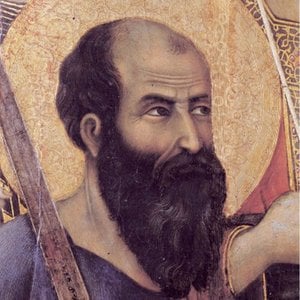
The Sienese Luminary: Duccio di Buoninsegna and the Dawn of a New Italian Vision
Duccio di Buoninsegna, γεννημένος στη Σιένα γύρω στο 1255, αποτελεί μια καθοριστική φιγούρα που γεφυρώνει το στυλιστικό χάσμα μεταξύ του Βυζαντινής εποχής και των αναδυόμενων καλλιτεχνικών αισθητικών της Ιταλίας. Ενώ οι βιογραφικές λεπτομέρειες παραμένουν απολύτως ελάχιστες – ο ίδιος ο άνθρωπος συχνά θαμμένος από τη λάμψη του έργου του – η επίδρασή του στη Σιενέζικη Σχολή και την πορεία της ιταλικής ζωγραφικής είναι αναμφίβολη. Δεν ήταν απλά ένας ζωγράφος, αλλά ένας καινοτόμος που τόλισε να γεμίσει τις ιερολογικές ιστορίες με ανθρώπινα συναισθήματα, μετακυλίοντας διακριτικά την έμφαση από τη σκληρή τυπικότητα προς μια πιο κοντινή σύνδεση μεταξύ του θείου και της γήινης σφαίρας. Η πρώιμη εκπαίδευσή του παραμένει ελαφρώς μυστηριώδης, αν και οι υποθέσεις υποδηλώνουν πιθανές επιρροές από Φλωρεντίνους μάστερ, αλλά και άμεση έκθεση στην Βυζαντινή τέχνη – ίσως ακόμη και ταξίδια προς την Κωνσταντινούπολη. Όποιο κι αν ήταν τα μορφοποιητικά του εμπειρίες, συνέπλεξαν σε ένα μοναδικό στυλ που θα ορίζσει μια εποχή.
A Synthesis of Tradition and Innovation
Η καλλιτεχνική εξέλιξη του Δουτσίου δεν ήταν μια απότομη ρήξη με το παρελθόν, αλλά μια χάρη εξελικτική. Τα πρώτα του έργα ήταν βαθιά ριζωμένα στις Βυζαντινές συμβάσεις: η πλούσια χρήση χρυσού για να προκαλέσει τον ουρανικό φωτισμό, στυλιζαρισμένοι μορφές με μια αιθέρια ποιότητα και μια λεπτομερή προσοχή στην ιερολογική σημασία. Ωστόσο, ακόμη και εντός αυτών των καθιερωμένων παραμέτρων, ο Δουτσίου άρχισε διακριτικά να εισάγει στοιχεία που προέβλεπαν τις μεταγενέστερες καινοτομίες του. Πειραματίστηκε με ρυθμίσεις χώρου, υποδεικνύοντας βάθος όπου η επίπεδη είχε κυριαρχήσει προηγουμένως. Οι χρωματικές παλέτες του, αν και εξακολουθούσαν να είναι ζωντανές, απέκτησαν μια νέα διακριτικότητα και αρμονία. Πιο σημαντικά, άρχισε να ενυδατώνει τις μορφές του με μια αναδυόμενη αίσθηση ανθρωπιάς – μια απαλή καμπύλη στο στόμα υποδηλώνοντας ένα χαμόγελο, μια ελαφριά κλίση του κεφαλιού που εκφράζει διαλογισμό. Αυτό δεν ήταν απόρριψη Βυζαντινών ιδεών, αλλά μια βελτίωση, μια ενσωμάτωση ζωής σε αυτό που συχνά ήταν στατικές αναπαραστάσεις.
Επιτύχει με δεξιοτεχνοία τη σύνθεση παραδοσιακών και καινοτόμων στοιχείων, δημιουργώντας ένα στυλ που ήταν ταυτόχρονα προσφορό και εξαιρετικά φρέσκο.
Masterpieces of Faith and Artistry
Δύο έργα αποτελούν μαρτυρία του δεινός του: η *Rucellai Madonna* (1285) και, περισσότερο γνωστή, η *Maestà* (1308-1311). Η *Rucellai Madonna*, που παραγγέλθηκε για μια εκκλησία στη Φλωρεντία, σηματοδότησε ένα σημαντικό αποκλίνου από τις συμβατικές Βυζαντινές εικονογραφίες. Η σύνθεσή της, αν και εξακολουθούσε να ακολουθεί παραδοσιακές μορφές, έδειξε μια μεγαλύτερη αίσθηση χωρικής οργάνωσης και μια πιο ρεαλιστική απεικόνιση της Παναγίας Μαρίας και του Χριστού. Όμως, η *Maestà* – ένα τεράστιο έργο τέχνης που δημιουργήθηκε για τον καθεδρικό ναό της Σιένας – σφράγησε πραγματικά την κληρονομιά του Δουτσίου. Αυτό το εκτεταμένο έργο αποτελείται από πολλές πλάκες που απεικονίζουν σκηνές από τη ζωή της Παναγίας Μαρίας και του Χριστού, καθεμία από αυτές ένα μικρό έργο τέχνης από μόνοι της.
Η Maestà δεν είναι απλώς μια συλλογή ζωγραφικών έργων, αλλά μια οπτική ιστορία, που αναπτύσσεται με εκπληκτικό βάθος και συναισθηματική ένταση. Η δεξιοτεχνία του Δουτσίου στο φως και τη σκιά, η ικανότητά του να μεταφέρει περίπλοκα συναισθήματα μέσω λεπτών χειρονομιών και οι καινοτόμες πρακτικές του για την προοπτική συγκεντρώνονται σε αυτό το εντυπωσιακό έργο τέχνης. Εκτός από αυτά τα τεράστια κομμάτια, έργα όπως η *Polyptych No. 28* αποδεικνύουν τη συνεχή ικανότητά του στην σύνθεση και την προσοχή στη λεπτομέρεια.
A Lasting Legacy: Shaping the Future of Italian Art
Η επιρροή του Δουτσίου di Buoninsegna απλύνθηκε πολύ πέρα από τη ζωή του. Επαναστατικοποίησε την ιταλική ζωγραφική, ανοίγοντας το δρόμο για την ανάπτυξη της Σιενέζικης Σχολής – μιας μοναδικής καλλιτεχνικής παράδοσης που χαρακτηρίζεται από την κομψότητα, την εξοχή και την συναισθηματική ένταση. Η έμφασή του στον ρεαλισμό, το χωρικό βάθος και την ανθρώπινη αίσθηση επηρέασε άμεσα τις επόμενες γενιές καλλιτεχνών, επηρεάζοντας όχι μόνο αυτούς που εργάζονταν στη Σιένα αλλά και τους ζωγράφους στη Φλωρεντία και πέρα από αυτήν. Ενώ ο Τζότο συχνά αναγνωρίζεται ως ο πρωτοπόρος του Ρενασμεντιανού στυλ, οι συνεισφορές του Δουτσίου ήταν εξίσου κρίσιμες, θέτοντας τα θεμέλια για τις καλλιτεχνικές καινοτομίες που θα διαμορφώσουν τον 14ο αιώνα και μετά. Η δουλειά του σηματοδότησε μια σημαντική மைলસ્ટોన్ στην εξέλιξη της Δυτικής τέχνης.
- Πρωτοπόρος σε νέες προσεγγίσεις για την απεικόνιση του χώρου και της προοπτικής.
- Τα έργα του είναι γνωστά για τις ζωντανές και αρμονικές χρωματικές παλέτες τους.
- Ενέκρινε μια αίσθηση ανθρωπότητας και συναισθηματικής έντασης στις μορφές του.
Παρά τις οικονομικές δυσκολίες που αντιμετώπισε κατά τη διάρκεια της ζωής του, η καλλιτεχνική κληρονομιά του Δουτσίου di Buoninsegna διατηρείται. Τα έργα του συνεχίζουν να εμπνέουν θαυμασμό και θαυμασμό, προσφέροντας μια ισχυρή υπενθύμιση της μεταμορφωτικής δύναμης της τέχνης.



 Προεπισκόπηση
 Μετάβαση σε Εκτυπώσεις
 Αποστολή
 Κοινοποίηση
 Λεπτομέρειες
 Οδηγός

 Λήψη
Λήψη
 Παρόμοια αντικείμενα συλλογής
 Ακτινογραφία
 Παρουσίαση
 Στατιστικά


 Περισσότερα λεπτομέρεια






































 Η επιλογή με γυαλί είναι διαθέσιμη μόνο για μεγέθη κάτω από 110 εκ.