ΔΩΡΕΑΝ ΣΥΜΒΟΥΛΗ ΤΕΧΝΗΣ

x
Αγορά εκτύπωσης Αγορά εκτύπωσηςΑγοράστε την αναπαραγωγή Αγοράστε την αναπαραγωγή ΑποστολήΑποστολή
ΛεπτομέρειεςΛεπτομέρειες Προσθήκη στα αγαπημένα Προσθήκη στα αγαπημένα ΛήψηΛήψη Παρόμοια έργαΠαρόμοια έργα ΑκτινογραφίαΑκτινογραφία ΠαρουσίασηΠαρουσίαση

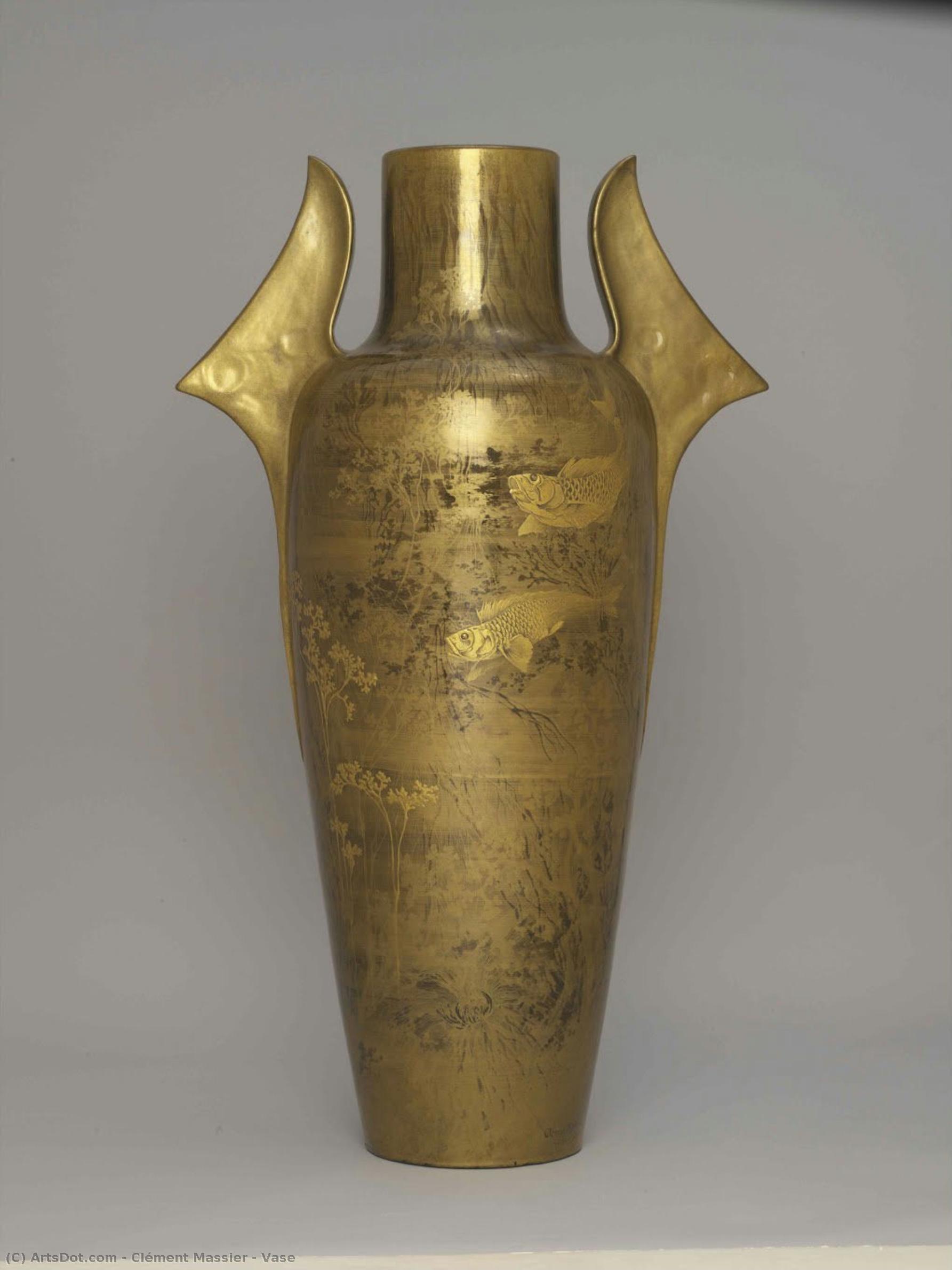
Vase

  • Διαστάσεις51.0 x 81.0 cm

Discover Clément Massier, a French Art Nouveau ceramicist known for luster glazes. Explore his decorative artworks & innovative techniques.

Αγοράστε μια ψηφιακή εικόνα υψηλής ανάλυσης και βελτιωμένης ποιότητας, πολύ ανώτερης από την προεπισκόπηση στο διαδίκτυο.

Κάθε αρχείο προετοιμάζεται σχολαστικά από τους ειδικούς μας, χρησιμοποιώντας προηγμένα εργαλεία και εξειδικευμένο χειροκίνητο ρετουσάρισμα. Εξασφαλίζουμε ότι κάθε εικόνα διαθέτει εξαιρετική ευκρίνεια, απόλυτη πιστότητα στο χρώμα και λεπτομερή ανάδραση των λεπτομερειών.

Το τελικό αρχείο παραδίδεται μέσω email εντός 72 ωρών, βελτιστοποιημένο για άμεση χρήση σε επαγγελματικά, εκδοτικά και έντυπα περιβάλλοντα. Πρόκειται για την ίδια ποιότητα που εμπιστεύονται κορυφαία studios σχεδιασμού, εκδότες και γκαλερί.

Ψηφιακή εικόνα

Κατεβάστε ένα αρχείο υψηλής ανάλυσης για προσωπική χρήση, εκτύπωση και δημιουργικά έργα.

Συνολική Τιμή

$9.99

Περιλαμβάνεται σε κάθε αγορά ψηφιακής εικόνας

Επαγγελματική Ψηφιακή Παράδοση, Με Εγγύηση

Όταν επιλέγετε το WahooArt.com, δεν αποκτάτε απλώς μια εικόνα – λαμβάνετε ένα επαγγελματικά αναβαθμισμένο ψηφιακό έργο τέχνης, δημιουργημένο με ακρίβεια και με εγγύηση ικανοποίησης. Δείτε όλα όσα περιλαμβάνονται στην παραγγελία σας, αυτόματα:

shipping_icon
Άμεση αποστολή μέσω email

Το ψηφιακό σας αρχείο εικόνας υψηλής ανάλυσης θα σας σταλεί μέσω email εντός 72 ωρών από την παραγγελία σας — έτοιμο για άμεση χρήση.

canvas_icon
Ψηφιακό Αρχείο με Τεχνητή Νοημοσύνη

Το έργο σας βελτιστοποιείται επαγγελματικά με τη χρήση προηγμένων εργαλείων Τεχνητής Νοημοσύνης και χειροκίνητης επεξεργασίας, εξασφαλίζοντας μέγιστη λεπτομέρεια, ευκρίνεια και ακρίβεια χρωμάτων.

insurance_icon
Δωρεάν επανεκδόσεις مدى ζωής

Απώλησες ή διαγράψατε κατά λάθος το αρχείο σας; Μην ανησυχείτε — θα σας το ξαναστείλομε οποιαδήποτε στιγμή, δωρεάν.

tax_icon
Χωρίς Τελωνειακούς Φόρους - Ποτέ

Απολαύστε αμέσως τα έργα τέχνης σας χωρίς δασμούς, φόρους ή έξοδα αποστολής - οι ψηφιακές λήψεις είναι πάντα αφορεশিপτεία.

color_icon
Εγγύηση Ακριβούς Χρωματισμού

Εξασφαλίζουμε ότι η ψηφιακή σας εικόνα αποτυπώνει τα αυθεντικά χρώματα όσο το δυνατόν πιστότερα, χρησιμοποιώντας επαγγελματικά εργαλεία και διαχείριση χρωμάτων.

return_icon
Εγγύηση Ικανοποίησης 60 Ημερών

Εάν δεν είστε ικανοποιημένοι με την ψηφιακή σας εικόνα, θα την αναθεωρήσουμε ή θα σας επιστρέψουμε το 100% της αξίας της εντός 60 ημερών - χωρίς κανένα ερώτημα.

guarantee_icon
100% Εγγύηση Επιστροφής Χρήματος

Δεν είστε ικανοποιημένοι; Λάβετε πλήρη επιστροφή των χρημάτων σας εντός 60 ημερολογιακών ημερών από τη λήψη του ψηφιακού σας αρχείου — χωρίς κανένα ερώτημα.

discount_icon
Εκπτώσεις για Μαζικές Παραγγελίες

Αγοράστε 3 εικόνες, κάντε εξοικονόμηση 10% - Αγοράστε 5, κάντε εξοικονόμηση 15% - Αγοράστε 10+, κάντε εξοικονόμηση 20%. Ιδανικό για δημιουργικά έργα, γκαλερί και agencies.

Περιγραφή Συλλεκτικού Αντικειμένου

Clément Massier established an important ceramic atelier the south of France. The forms of his works were often inspired by those of Oriental ceramics and his use of iridescent glazes was influenced by Hispano-Moresque ceramics. The form of the vase was inspired by Chinese ceramics. However the visual effect of its decorative iridescent glaze, depicting fish and aquatic plants, was inspired by the appearance of Japanese sprinkled or makie lacquered artifacts that were fashionable with collectors of this period. France was an important centre for the development of Art Nouveau. There the art of the Symbolist movement, with its appeal to the emotions, influenced the subject matter of many French Art Nouveau artifacts. In Paris, important practitioners included the architect Hector Guimard (1867-1942), critic and dealer Julius Meier-Graefe (1867-1935), (whose shop La Maison Moderne was designed by Henry van de Velde), and the art dealer Siegfried Bing (1838-1905). Since the late 1870s, Bing, one of the first dealers to present ancient Chinese artifacts in the West, had helped sensitized Europeans to the aesthetics of Japanese art. In 1895, Bing opened his shop called La Maison de l’Art Nouveau, from which he sold works by major designers including Eugène Gaillard, Emile Gallé, René Lalique, Louis Comfort Tiffany, and Edward Colonna. Nancy, France, was another centre of production, where glass-artist Emile Gallé (1846-1904) and furnituremaker Louis Majorelle (1859-1926), ran large, successful, ateliers.

Βιογραφικό Καλλιτέχνη

The Pioneering Luster of Clément Massier

Clément Massier, born in Vallauris, France, in 1844 and passing away in Golfe-Juan in 1917, stands as a pivotal figure in the transition from traditional French pottery to the innovative spirit of Art Nouveau. He wasn’t merely a potter; he was an alchemist of clay, transforming humble earth into objects of shimmering beauty that captured the burgeoning aesthetic sensibilities of his time. Coming from a long lineage of potters—his family had been working with ceramics in Vallauris for generations—Massier initially followed in their footsteps, producing utilitarian wares. However, he possessed a restless artistic drive that pushed him beyond functionality and towards pure creative expression. This ambition led him to establish his own factory in Golfe-Juan in 1883, a move that would prove instrumental in shaping the future of French ceramics.

A Family Legacy & The Rise of Artistic Innovation

The Massier family’s history was deeply intertwined with the clay of Vallauris. Jacques Massier, Clément's father, had established a respected pottery workshop, but it was Clément who truly revolutionized their approach. He recognized the potential for ceramics to be more than just vessels; they could be canvases for artistic exploration, imbued with color, texture, and symbolic meaning. Early influences included Italian master ceramist Gaetano Gandolfi, hired by Jacques Massier, who introduced techniques like glazed earthenware that would become foundational to the family’s success. However, Clément quickly surpassed these initial methods, driven by a desire to create something entirely new. He wasn't content with simply replicating existing styles; he sought to forge his own path, experimenting relentlessly with glazes and forms.

The Allure of Luster & The Paris Exposition Universelle

Massier’s most significant contribution—and the element that cemented his reputation—was his mastery of luster glazes. These weren't simply surface coatings; they were iridescent, metallic sheens that seemed to capture and reflect light from within the ceramic itself. He achieved this effect through a complex process involving multiple firings and the careful application of metallic oxides, creating surfaces that shimmered with an ethereal quality. The breakthrough came in 1887 when he hired Lucien Lévy-Dhurmer as his artistic director. This collaboration proved transformative. In 1900, Massier’s iridescent pottery was awarded a gold medal at the Paris Exposition Universelle, catapulting him to international fame. The exhibition showcased not only the technical brilliance of his glazes but also the Art Nouveau designs that adorned his pieces—flowing floral motifs, sinuous curves, and organic forms that embodied the movement's embrace of nature.

Beyond Decoration: Symbolism & Artistic Collaboration

While celebrated for their decorative appeal, Massier’s ceramics were often imbued with subtle symbolism. The naturalistic designs weren’t merely aesthetic choices; they reflected a broader fascination with the mysteries of life and the beauty of the natural world. The factory became a hub for artistic collaboration, attracting talented painters and sculptors who contributed to the design process. This collaborative spirit ensured that Massier's work wasn't solely defined by technical innovation but also by artistic vision. He produced a wide range of objects—vases, bowls, plaques, and even architectural elements—all characterized by his signature luster glazes and Art Nouveau aesthetic. His pieces quickly became sought after by the elite, adorning the homes of collectors in France, England, and beyond.

A Lasting Legacy & The Enduring Appeal of Art Nouveau Ceramics

Clément Massier’s impact on French ceramics is undeniable. He elevated pottery from a craft to an art form, paving the way for future generations of ceramic artists. His factory in Golfe-Juan became a model for other workshops, and his luster glazes continue to inspire contemporary ceramists today. He was also a dedicated teacher, mentoring numerous artists and sharing his knowledge and techniques. Though he passed away in 1917, his legacy lives on through the exquisite pieces that bear his name—objects of shimmering beauty that capture the spirit of Art Nouveau and the enduring allure of handcrafted artistry. His work represents not just a technical achievement but a philosophical shift, embracing decoration as a form of artistic expression and celebrating the transformative power of clay.

clément massier

clément massier

1844 - 1917 , France

Σύντομα στοιχεία

  • Artistic Movement Or Style: Art Nouveau
  • Date Of Birth: 1844
  • Date Of Death: 1917
  • Full Name: Clément Massier
  • Nationality: French
  • Place Of Birth: Vaurges, France