


Το έργο τέχνης που εμφανίζεται σε αυτή τη σελίδα προστατεύεται από τους νόμους περί πνευματικών δικαιωμάτων, γεγονός που σημαίνει ότι δεν μπορούμε νομικά να δημιουργήσουμε ή να πουλήσουμε μια ταυτόσημη αναπαραγωγή του. Αυτή η προστασία επιβάλλεται βάσει διεθνών συμφωνιών, όπως η Σύμβαση της Βέρνης καθώς και από τους εθνικούς νόμους, συμπεριλαμβανομένων αυτών που ορίζονται από το Νομοθεσία περί πνευματικών δικαιωμάτων των ΗΠΑ - Τίτλος 17. Όλα τα δικαιώματα κατοχυρωμένα. Απαγορεύεται η αναπαραγωγή χωρίς άδεια.
Αυτή η μέθοδος συμμορφώνεται πλήρως με τους κανονισμούς περί πνευματικών δικαιωμάτων, καθώς δεν περιλαμβάνει την αντιγραφή ή την αναπαραγωγή του προστατευόμενου έργου. Αντίθετα, πρόκειται για μια δημιουργική ερμηνεία — ένα νέο έργο που επηρεάζεται από το πρωτότυπο, χωρίς όμως να είναι πανομοιότυπο με αυτό.
Εκτύπωση giclée ή σε καμβά ποιότητας μουσείου με γρήγορη παραγωγή και ευέλικτες επιλογές φινιρίσματος. ( Αγορά χειροποίητου πίνακα Μετάβαση σε Ψηφιακή Αποτέλεσμα)
Επιλέξτε από τις προκαθορισμένες διαστάσεις μας που διατηρούν τις αρχικές αναλογίες του έργου τέχνης.

Εισάγετε το πλάτος και το ύψος που επιθυμείτε, ώστε να ταιριάζουν στο κάδሮ ή στον τοίχο σας. Μια εκτύπωση μπορεί μόνο να υποστεί κοψίμό και ποτέ να μην γίνει μεγαλύτερη από την αρχική εικόνα, επομένως η επιλογή μεγέθους με διαφορετικό σχήμα συνεπάγεται απώλεια ενός μέρους της εικόνας. Σας στέλνουμε ένα ψηφιακό mockup για έγκριση πριν προχωρήσουμε σε οποιαδήποτε εκτύπωση. Η εικόνα που εμφανίζεται σε αυτή τη σελίδα δεν δείχνει την πραγματική κοπή — μόνο το mockup την παρουσιάζει.
Παγκόσμια Αποστολή () σε 2 εβδομάδες αντί για τις συνήθεις 4/5 εβδομάδες. (15 Νοέμβριος)
The devil
Διαστάσεις Αναπαραγωγής
In the quiet, grainy depths of Claudia Andujar’s 1969 photograph, "The Devil’s Train," we encounter more than a mere historical record; we witness a profound meditation on the human condition. Captured during a period of significant social upheaval in Brazil, this striking black and white image serves as a visual poem reflecting the anxieties, aspirations, and bittersweet realities of displacement. The photograph documents a group of weary migrants traveling from the bustling metropolis of São Paulo toward the backlands of Bahia and Minas Gerais. These are individuals whose luggage was filled with hope, yet who often returned with nothing but the heavy weight of failed endeavors. Through Andujar’s lens, the train car becomes a microcosm of a nation in flux, a vessel carrying souls caught between the dream of a better life and the harsh reality of economic hardship.
The composition is masterfully balanced, utilizing a tight framing that strips away unnecessary distractions to focus our gaze intensely upon a young girl. Positioned slightly off-center, her face becomes the emotional anchor of the piece. As she sits amidst the traveling crowd, a cigarette held in her hand introduces a sharp diagonal line that cuts through the horizontal planes of the train car, injecting a sense of restlessness and movement into an otherwise static moment. This deliberate use of geometry creates a visual dynamism that draws the viewer into her gaze—a look that is simultaneously heavy with resignation and luminous with an undeniable, quiet strength.
Andujar’s technique is rooted in the traditions of humanist photography, a style that prioritizes emotional truthfulness over stylistic embellishment. Working with film—likely medium format—she achieved a remarkable tonal range that breathes life into the monochromatic palette. The image transitions seamlessly from deep, velvety blacks to brilliant, piercing whites, creating a sculptural quality in the subjects' features. This meticulous development process ensures that every texture is palpable: the rough, weathered fabric of the girl’s shirt, the smooth, ephemeral smoke of the cigarette, and the worn, wooden surfaces of the train car itself.
The lighting, appearing as natural and unadorned as the subject matter, casts soft shadows that emphasize the contours of the face, lending a sense of depth to an otherwise relatively flat perspective. This shallow depth of field keeps our attention locked onto the girl, while the receding figures in the background provide the necessary context of a crowded, shared struggle. There is a deliberate aesthetic restraint here; Andujar does not seek to romanticize poverty, but rather to dignify it through a lens of profound empathy and technical precision.
For the discerning collector or interior designer, "The Devil’s Train" offers a sophisticated layer of narrative depth that transcends simple decoration. The cigarette, often interpreted as a symbol of rebellion or a coping mechanism against stress, acts as a powerful conduit for exploring themes of vulnerability and defiance. The photograph does not merely depict a scene; it evokes a feeling of resilience. It is a piece that commands attention in any space, inviting contemplation on the universal human yearning for belonging and the enduring spirit required to navigate life's migrations.
Integrating a high-quality reproduction of this masterpiece into a curated collection or a refined interior provides more than just visual interest; it introduces a conversation piece of immense historical and emotional weight. The stark, monochromatic elegance of Andujar’s work complements both minimalist and classical environments, offering a timeless aesthetic that speaks to the beauty found in the most difficult of human journeys. To possess this image is to hold a fragment of history—a testament to the dignity of the marginalized and the transformative power of the photographic medium.
Για να δείτε μια προεπισκόπηση μιας αναπαραγωγής του έργου "The devil" του Κλαούντια Αντούχαρ, ανοίξτε τη σελίδα Προεπισκόπηση του έργου.
Ο/Η Κλαούντια Αντούχαρ δημιούργησε το "The devil" στο πλαίσιο του movements Humanist Photography.
Το έργο "The devil" αποπνέει μια Calm ατμόσφαιρα.


1931 - , Ελβετία
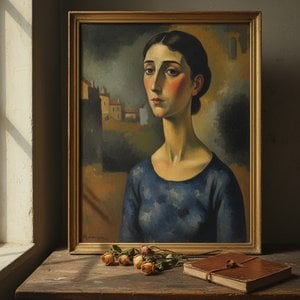
Delve into the haunting beauty of Amedeo Modigliani's portraits. Explore the intersection of Expressionism and Modernism through an expert analysis of his iconic elongated forms, melancholic gazes, and profound influence on art history.

Discover the profound beauty of Modigliani-style art. Explore the elegance of elongated forms and soulful portraits through our expert curation of hand-painted oil reproductions and museum-quality prints designed for the sophisticated collector.

Embark on a visual journey through the most captivating Surrealist masterpieces. From Dalí's dreamscapes to symbolic enigmas, discover expert insights for the discerning collector looking to acquire museum-quality fine art reproductions and bespoke commissions.
 Αποστολή
 Κοινοποίηση
 Λεπτομέρειες
 Οδηγός

 Λήψη
Λήψη
 Παρόμοια αντικείμενα συλλογής
 Παρουσίαση
 Ερωτήσεις & Απαντήσεις
 Στατιστικά


 Περισσότερα






































 Η επιλογή με γυαλί είναι διαθέσιμη μόνο για μεγέθη κάτω από 110 εκ.


