


Εκτύπωση giclée ή σε καμβά ποιότητας μουσείου με γρήγορη παραγωγή και ευέλικτες επιλογές φινιρίσματος. ( Αγορά χειροποίητου πίνακα Μετάβαση σε Ψηφιακή Αποτέλεσμα)





























Επιλέξτε από τις προκαθορισμένες διαστάσεις μας που διατηρούν τις αρχικές αναλογίες του έργου τέχνης.

Εισάγετε το πλάτος και το ύψος που επιθυμείτε, ώστε να ταιριάζουν στο κάδሮ ή στον τοίχο σας. Μια εκτύπωση μπορεί μόνο να υποστεί κοψίμό και ποτέ να μην γίνει μεγαλύτερη από την αρχική εικόνα, επομένως η επιλογή μεγέθους με διαφορετικό σχήμα συνεπάγεται απώλεια ενός μέρους της εικόνας. Σας στέλνουμε ένα ψηφιακό mockup για έγκριση πριν προχωρήσουμε σε οποιαδήποτε εκτύπωση. Η εικόνα που εμφανίζεται σε αυτή τη σελίδα δεν δείχνει την πραγματική κοπή — μόνο το mockup την παρουσιάζει.
Παγκόσμια Αποστολή () σε 2 εβδομάδες αντί για τις συνήθεις 4/5 εβδομάδες. (8 Νοέμβριος)
Angels Pity
Διαστάσεις Αναπαραγωγής
In the quiet, hallowed atmosphere of the Early Renaissance, few works capture the intersection of human sorrow and divine grace as poignantly as Carlo Crivelli’s "Angels Pity." Painted in 1470, this masterpiece serves as a profound meditation on tenderness and spiritual devotion. The scene unfolds with an intimate warmth, presenting Jesus cradling two children within his arms—a gesture that transcends mere historical depiction to become a universal symbol of protection and innocence. Surrounded by a celestial assembly of angels and watchful figures, the composition draws the viewer into a sacred circle of empathy. Even the subtle presence of a solitary bird in the upper corner acts as a silent witness, lending an air of tranquility to a moment heavy with emotional significance.
The artistry of Crivelli is on full display through his masterful command of color and light. Utilizing soft, luminous hues and delicate brushstrokes, the artist creates a sense of palpable intimacy that makes the divine feel reachable. The painting is a triumph of the Early Renaissance style, where every detail is rendered with an almost obsessive realism. Crivelli’s technique involves the meticulous application of oil glazes on wood panel, building layers of color to achieve a radiant depth. This method allows light to appear as if it is emanating from within the figures themselves, highlighting the soft textures of skin and the intricate folds of drapery, thereby inviting the observer to linger on the subtle nuances of the composition.
Beyond its visual splendor, "Angels Pity" is a rich tapestry of Christian iconography designed to provoke deep reflection. The arrangement of the figures within an arched niche creates a sense of sacred enclosure, separating the holy event from the mundane world. Every element serves a symbolic purpose: the tender way Jesus holds the children reflects the theological concept of divine mercy, while the surrounding angels represent the bridge between heaven and earth. Crivelli’s use of trompe l'oeil—a technique intended to trick the eye into perceiving three-dimensional reality—adds a layer of tactile presence to the work, making the spiritual themes feel grounded in a tangible, physical reality.
For the discerning collector or interior designer, this painting offers more than mere decoration; it provides an emotional anchor for any space. The somber yet serene mood makes it an ideal centerpiece for rooms dedicated to contemplation, study, or quiet luxury. Whether one is drawn to its historical significance as a product of the Venetian-influenced March of Ancona or moved by its profound expression of compassion, "Angels Pity" remains a timeless testament to the power of art to evoke the sublime. Owning a high-quality reproduction of this work allows for the preservation of this Renaissance spirit, bringing a sense of historical weight and aesthetic harmony into the modern home.
Δείτε το έργο "Angels Pity" του Κάρλο Κριβέλι στον δικό σας τοίχο μέσω της σελίδας Προεπισκόπηση σε AR, χρησιμοποιώντας την τεχνολογία augmented reality σε μια συμβατή συσκευή.
Μπορείτε να δείτε έργα παρόμοια με το "Angels Pity" στη σελίδα Παρόμοια έργα του έργου.
Το έργο "Angels Pity" του Κάρλο Κριβέλι χρονολογείται από την περίοδο Renaissance. Η συγκεκριμένη εποχή προσφέρει το ιστορικό πλαίσιο του έργου.

Ο Carlo Crivelli, ένας ιταλός ζωγράφος της Αναγέννησης, γεννήθηκε στη Βενετία γύρω στα έτη 1430-35. Προερχόμενος από οικογένεια ζωγράφων, ολοκλήρωσε την καλλιτεχνική του διαμόρφωση στη Βενετία και την Πάδοβα. Πιστεύεται ότι η πρώιμη εκπαίδευσή του πραγματοποιήθηκε υπό την καθοδήγηση του Jacobello del Fiore, ο οποίος ήταν ακόμη δραστήριος το 1436, ενώ μετέπειτα σπούδασε και στη σχολή των Vivarini στη Βενετία.
Ο Crivelli πέρασε τα πρώτα του χρόνια στην περιοχή του Veneto, απορροφώντας τις επιρροές από τους Vivarini, τον Squarcione και τον Mantegna. Το 1άντα το 1458, εγκατέλειψε το Veneto και αφιέρωσε το μεγαλύτερο μέρος της καριέρας του στην περιοχή της Marche d'Ancona, αναπτύσσοντας ένα μοναδικό προσωπικό στυλ που διαφοροποιείται σαφώς από αυτό του Βενετικού συνcontemporary του, Giovanni Bellini. Το έργο του Crivelli χαρακτηρίζεται από μια συντηρητική διακοσμητική αισθητική της ύστερης γοτικής περιόδου, η οποία υπογραμμίζεται από μια γραμμική ποιότητα, μια εξαιρετική προσοχή στη λεπτομέρεια και τη χρήση τεχνικών «trompe l'oeil» που ξεγελούν την αိုင်းσηση.
* Το έργο του Carlo Crivelli, «Madonna and Child Enthroned» (106 x 55 εκ., Μουσείο Καλών Τεχνών, Μπουδαπεστη, Ουγγαρία), αποτελεί ένα κορυφαίο παράδειγμα του ιδιαίτερου στυλ του. * Συνεργάστηκε σε αρκετά έργα με τον νεότερο αδελφό του, Vittorio Crivelli. * Ο Pietro Alemanno, ζωγράφος που μετανάστευσε στην Marche d'Ancona από τη Γερμανία ή την Αυστρία, υπήρξε μαθητής και συνεργάτης του.
* Η Pinacoteca di Brera στο Μιλάνο της Ιταλίας, φιλοξενεί αρκετά έργα του Crivelli, μεταξύ των οποίων η «Pietà» (128 x 241 εκ.). * Το Museum San Giovanni in Bragora στη Βενετία της Ιταλίας, διαθέτει μια συλλογή έργων τέχνης από διαφορετικές περιόδους και στυλ, συμπεριλαμβανομένων ορισμένων που αποδίδονται στον Crivelli.
Η κληρονομιά του Crivelli συνεχίζει να εμπνέει λάτρεις της τέχνης και μελετητές, με το έργο του να παραμένει μια απόδειξη της διαχρονικής δύναμης της συντηρητικής διακοσμητικής αισθητικής της ύστερης γοτικής περιόδου.

1435 - 1495 , Ιταλία

Discover the enduring legacy of oil on board painting. Explore how historical techniques, rich impasto textures, and structural durability create timeless masterpieces that bridge Renaissance grandeur with modern art collecting excellence.

Discover the profound allure of oil on canvas. Explore the mastery of impasto textures, the science of pigment longevity, and expert guides to selecting museum-quality reproductions that elevate your collection with timeless elegance and tactile depth.

Discover the enduring allure of oil on canvas. Explore how master techniques like impasto and glazing create the depth, texture, and emotional resonance found in the world's greatest masterpieces. An essential guide for fine art enthusiasts and discerning collectors.

Discover the enduring allure of hand-painted oil reproductions. WahooArt offers museum-quality, archival masterpieces designed for discerning collectors seeking timeless beauty and a lasting legacy. Invest in fine art that transcends generations with our expert craftsmanship.
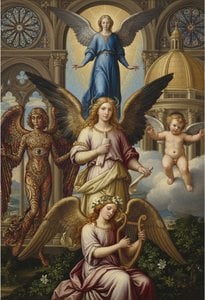
Explore the profound beauty of angelic figures in art history. From Renaissance masterpieces to celestial symbolism, our expert guide offers a sophisticated journey through the divine imagery of the Old Masters for discerning collectors and art enthusiasts.
 Προεπισκόπηση σε πραγματική κλίμακα
 Αποστολή
 Κοινοποίηση
 Λεπτομέρειες
 Οδηγός

 Λήψη
Λήψη
 Παρόμοια αντικείμενα συλλογής
 Ακτινογραφία
 Παρουσίαση
 Ερωτήσεις & Απαντήσεις
 Στατιστικά

 Περισσότερα









 Η επιλογή με γυαλί είναι διαθέσιμη μόνο για μεγέθη κάτω από 110 εκ.


