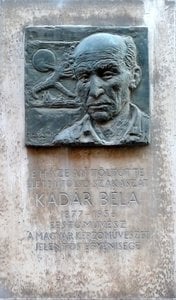
Μια Ουγγρική Φωνή της Αванγκάρντ: Η Ζωή και η Τέχνη του Béla Kádár
Γεννημένος σε μια εβραϊκή οικογένεια εργατικού κλάσου στο Μπουνταπέστη το 1877, το ταξίδι του Béla Kádár προς την κατάκτηση μιας κομβικής θέσης στην αванγκάρντ τέχνη του αρχού του 20ου αιώνα υφάνθηκε μέσα από δυσκολίες και μια αταλάντευτη αφοσίωση στην καλλιτεχνική εξερεύνηση. Η τυπική του εκπαίδευση περιορίστηκε σε έξι χρόνια, ωστόι αυτή η έλλειψη παραδοσιακής σχολικής κατάρτισης φάνηκε να τον απελευθερώνει από τους συμβατικούς περιορισμούς, επιτρέποντας την εμφάνιση μιας μοναδικά προσωπικής οπτικής γλώσσας. Ο Kádár ξεκίνησε την επαγγελματική του ζωή όχι με πινέλο στο χέρι, αλλά ως μαθητής turner σιδηρουργού – ένα επάγγελμα που επηρέασε βαθιά τις καλλιτεχνικές του αισθήσεις, εμφυτεύοντας σε αυτόν μια βαθιά κατανόηση της μορφής, της δομής και της εγγενής ομορφιάς που κρύβεται στα βιομηχανικά υλικά. Ακόμα και σε αυτά τα πρώτα χρόνια, το δημιουργικό του πνεύμα έλαμπε· αρχικά επικεντρώθηκε στη ζωγραφική τοιχογραφιών σε όλο το Μπουνταπέστη, επιδεικνύοντας μια έμφυτη τάση προς την οπτική έκφραση μεγάλης κλίμακας και την αφήγηση. Αυτή η θεμελιώδης περίοδος προετοίμασε το έδαφος για τις τολμηρές και δυναμικές συνθέσεις που αργότερα θα οριστούσαν στο έργο του.
Παρίσι, Βερολίνο και μια Σύνθεση Στυλών
Ο πραγματικός καταλύτης για την καλλιτεχνική εξέλιξη του Kádár ήρθε με τα ταξίδια του στο Παρίσι και το Βερολίνο το 1910. Αυτές οι περιηγήσεις τον έκθεσαν στα αναδυόμενα κινήματα της αванγκάρντ που σάρωναν την Ευρώπη, αλλάζοντας αμετάκλητα την καλλιτεχνική του πορεία. Συνάντησε τις ριζοσπαστικές ιδέες του Der Blaue Reiter, τους θραυσμισμένους μορφισμούς του Κουμπισμού, τον δυναμισμό του Φουτουρισμού και την ωμή ενέργεια του Νεοπρωτιμιτισμού – επιρροές τις οποίες δεν υιοθέτησε απλώς ολοκληρωτικά, αλλά τις σύνθεσε σε μια ξεχωριστή οπτική ορολογία που ήταν δική του. Ο Kádάρ δεν αρκέστηκε να ταυτιστεί με οποιαδήποτε μεμονωμένη «σχολή» σκέψης· αντίθετα, ξεκίνησε μια συνεχή εξερεύνηση της μορφής, του χρώματος και της σύνθεσης, ωθούμενος από μια ακαταμάχητη επιθυμία να ξεφύγει από τους περιορισμούς της παραδοσιακής αναπαραστατικής τέχνης. Απορρόφησε στοιχεία από τον Κονστρουκτιβισμό και ακόμη και τις ονειρικές ποιότητες της Μεταφυσικής ζωγραφικής, υφάζοντάς τα σε ένα περίπλοκο τάπητα που αντικατοπτρίζει την μοναδική του προοπτική. Αυτή η περίοδος σηματοδότησε ένα κρίσιμο σημείο καμπής, μεταμορφώνοντάς τον από έναν υποσχόμενο τοιχογράφο σε έναν πραγματικά καινοτόμο καλλιτέχνη στην αυγή της διεθνούς αναγνώρισης.
Αναγνώριση και Διεθνής Έκθεση
Η στιγμή της μεγάλης επιτυχίας του Kádár ήρθε τον Οκτώβριο του 1923 με μια έκθεση στη διάσημη Galerie der Sturm του Herwarth Walden στο Βερολίνο. Αυτή η παρουσίαση παρουσίασε το έργο του σε ένα σαφώς Εκφρασιονιστικό στυλ, κερδίζοντας αμέσως την προσοχή και καθιστώντας τον μια δύναμη που πρέπει να ληφθεί υπόψη στην ευρωπαϊκή σκηνή της τέχνης. Η γκαλερί, γνωστή για την υποστήριξη ριζοσπαστικών νέων καλλιτεχνικών φωνών, παρείχε στον Kádár μια ιδανική πλατφόρμα για να συνδεθεί με συλλέκτες και συναλλείλοντες καλλιτέχνες που μοιράζονταν την αφοσίωσή του στην πειραματισμό. Την διεθνή του φήμη ενίσχυσαν περαιτέρω δύο εκθέσεις που διοργάνωσε η Katherine Dreier στο Μουσείο Τέχνης Brooklyn στη Νέα Υόρκη, το 1926 και το 1928. Αξιοσημείωτο είναι ότι ο Kádάρ επισκέφθηκε τη δεύτερη έκθεση, εδραιώνοντας την παρουσία του στο αμερικανικό καλλιτεχνικό τοπίο και καλλιεργώντας πολύτιμες σχέσεις εντός του αναδυόμενου μοντερνιστικού κινήματος απέναντι στον Ατλαντικό. Οι πίνακές του κατά αυτή την περίοδο αποδίδουν συχνά σκηνές από την Ουγγρική λαογραφία, προσωπικά πορτρέτα και ματιές στη ζωή των χωριών – θέματα αποδοσμένα με μια τολμηρή παλέτα χρωμάτων και δυναμικές συνθέσεις που αλλελογεία αλλήλων απο%>κατόπτευαν τόσο το πνεύμα της πατρίδας του όσο και την ενέργεια της μοντέρνας εποχής.
Ένα Κληροτόμημα Τολμηρής Καινοτομίας
Το καλλιτεχνικό στυλ του Béla Kádár αναγνωρίζεται αμέσως για τη ζωντανή και εκφραστική χρήση του χρώματος, χρησιμοποιώντας συχνά μη φυσιολογικές αποχρώσεις για να μεταδώσει συναίσθημα και ατμόσφαιρα. Οι συνθέσεις του χαρακτηρίζονται από μια αισθητή αίσθηση κίνησης και ενέργειας, επιτευχθεί από την αλληλεπίδραση γραμμών, σχημάτων και μορφών που μοιάζουν να δονείται στον καμβά. Χρησιμοποίησε συχνά την τεχνική impasto – την εφαρμογή παχτερών στρώσεων χρώματος – δημιουργώντας υφώδεις επιφάνειες που ενισχύουν την οπτική επίδραση του έργου του και προσκαλούν σε μια αισθητηριακή εξερεύνηση. Αλλά ίσως αυτό που πραγματικά ξεχωρίζει τον Kádár είναι η αξιοσημείωτη ικανότητά του να συνθέτει αυτές τις διαφορετικές καλλιτεχνικές επιρροές σε ένα συνοπτικό και πρωτότυπο στυλ. Αντιπροσωπεύει ένα κρίσιμο σύνδεσμο μεταξύ της Ουγγρικής αванγκάρντ και των ευρύτερων ευρωπαϊκών κινημάτων της εποχής του, ανακλάζοντας τις κοινωνικές και πολιτικές αναταραχές του αρχού του 20ου αιώνα στην τέχνη του. Παρόλο που δεν ήταν πάντα τόσο ευρέως επιβραβευμένος κατά τη διάρκεια της ζωής του όσο ορισμένοι συνzeitigς του, το έργο του Kádár έχει παρουσιάσει μια ανάλαση τις τελευταίες δεκαετίες, με τους μελετητές να αναγνωρίζουν ολοένα και περισσότερο τις σημαντικές συνεισφορές του στην μοντέρνα τέχνη. Πέθανε στο Μπουνταπέστη το 1956, αφήνοντας πίσω του ένα κληροτόμημα τολμηρών και καινοτόμων πινάκων που συνεχίζουν να εμπνέουν καλλιτέχνες και να μαγεύουν κοινό μέχρι σήμερα – μια απόδειξη της διαχρονικής δύναμης ενός καλλιτέχνη που τόλμησε να χαράξει τον δικό του δρόμο.
Βασικά Χαρακτηριστικά του Έργου του Kádár
- Τολμηρή Παλέτα Χρωμάτων: Ο Kádár ήταν διάσημος για τη ζωντανή και εκφραστική χρήση του χρώματος, χρησιμοποιώντας συχνά μη φυσιολογικές αποχρώσεις για να μεταδώσει συναίσθημα και ατμόσφαιρα.
- Δυναμική Σύνθεση: Οι συνθέσεις του χαρακτηρίζονται από μια αίσθηση κίνησης και ενέργειας, που επιτυγχάνεται μέσω της αλληλεπίδρασης γραμμών, σχημάτων και μορφών.
- Τεχνική Impasto: Χρησιμοποίησε συχνά παχτερές στρώσεις χρώματος (impasto) για να δημιουργήσει υφώδεις επιφάνειες και να ενισχύσει την οπτική επίδραση του έργου του.
- Μοναδική Σύνθεση: Η ικανότητα του Kádár να συνθέτει διαφορετικές καλλιτεχνικές επιρροές σε ένα συνοπτικό και πρωτότυπο στυλ τον καθιστά μια σημαντική μορφή στην τέχνο της αρχής του 20ου αιώνα.
- Θέματα & Σχέδια: Οι πίνακές του αποδίδουν συχνά σκηνές από τη λαογραφία, τη ζωή των χωριών και προσωπικά πορτρέτα, με τολμηρά χρώματα και δυναμικές συνθέσεις. Εξερεύνησε επίσης αβστάκτα θέματα και πειραματίστηκε με θραυσμισμένες μορφές.



 Προεπισκόπηση
 Μετάβαση σε Εκτυπώσεις
 Αποστολή
 Κοινοποίηση
 Λεπτομέρειες
 Οδηγός

 Λήψη
Λήψη
 Παρόμοια αντικείμενα συλλογής
 Ακτινογραφία
 Παρουσίαση
 Στατιστικά
 Περισσότερα λεπτομέρεια