Προεπισκόπηση Προεπισκόπηση σε AR Μετάβαση σε Εκτυπώσεις Αγορά χειροποίητου πίνακα Αποστολή
Λεπτομέρειες Οδηγός Προσθήκη στα αγαπημένα Λήψη Παρόμοια αντικείμενα συλλογής Ακτινογραφία Παρουσίαση Στατιστικά

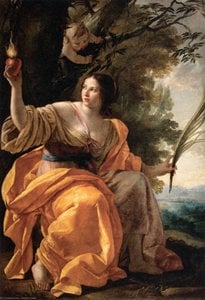
The Charity

Bartolomeo Schedoni’s "The Charity," a dramatic Baroque painting from 1611, captures a poignant scene of generosity and compassion with its masterful use of light and shadow. Explore this captivating artwork and bring its timeless beauty into your space.

Explore Bartolomeo Schedoni’s dramatic early Baroque paintings! Known for intense lighting & angular drapery, influenced by Caravaggio & Correggio. See masterpieces in Parma.

Αγοράστε μια ψηφιακή εικόνα υψηλής ανάλυσης και βελτιωμένης ποιότητας, πολύ ανώτερης από την προεπισκόπηση στο διαδίκτυο.

Κάθε αρχείο προετοιμάζεται σχολαστικά από τους εξειδικευμένους συνεργάτες μας, με τη χρήση προηγμένων εργαλείων και χειροκίνητου ρετουσαρίσματος υψηλής ακρίβειας. Εξασφαλίζουμε ότι κάθε εικόνα προσφέρει εξαιρετική ευκρίνεια, απόλυτη πιστότητα στο χρώμα και λεπτομερή ανάδραση των λεπτομερειών.

Το τελικό αρχείο παραδίδεται μέσω email εντός 72 ωρών, βελτιστοποιημένο για άμεση χρήση σε επαγγελματικά, εκδοτικά και έντυπα περιβάλλοντα. Πρόκειται για την ίδια ποιότητα που εμπιστεύονται κορυφαία studios σχεδιασμού, εκδότες και γκαλερί.

Ψηφιακή εικόνα

Κατεβάστε ένα αρχείο υψηλής ανάλυσης για προσωπική χρήση, εκτύπωση και δημιουργικά έργα. ( Μετάβαση σε Εκτυπώσεις Αγορά χειροποίητου πίνακα)

Τελική Τιμή

$ 24,90

Περιλαμβάνεται σε κάθε αγορά ψηφιακής εικόνας

Επαγγελματική Ψηφιακή Παράδοση με Εγγύηση

Όταν επιλέγετε το WahooArt.com, δεν αποκτάτε απλώς μια εικόνα – λαμβάνετε ένα επαγγελματικά αναβαθμισμένο ψηφιακό έργο τέχνης, δημιουργημένο με ακρίβεια και με εγγύηση ικανοποίησης. Δείτε όλα όσα περιλαμβάνονται στην παραγγελία σας, αυτόματα:

shipping_icon
Άμεση αποστολή μέσω email

Το ψηφιακό σας αρχείο εικόνας υψηλής ανάλυσης θα σας σταλεί μέσω email εντός 72 ωρών από την παραγγελία σας — έτοιμο για άμεση χρήση.

canvas_icon
Ψηφιακό Αρχείο με Τεχνητή Νοημοσύνη

Το έργο σας βελτιστοποιείται επαγγελματικά με τη χρήση προηγμένων εργαλείων Τεχνητής Νοημοσύνης και χειροκίνητης επεξεργασίας, εξασφαλίζοντας μέγιστη λεπτομέρεια, ευκρίνεια και ακρίβεια χρωμάτων.

insurance_icon
Δωρεάν επανεκδόσεις مدى ζωής

Απώλησες ή διαγράψατε κατά λάθος το αρχείο σας; Μην ανησυχείτε — θα σας το ξαναστείλομε οποιαδήποτε στιγμή, δωρεάν.

tax_icon
Χωρίς Τελωνειακούς Φόρους - Ποτέ

Απολαύστε αμέσως τα έργα τέχνης σας χωρίς δασμούς, φόρους ή έξοδα αποστολής - οι ψηφιακές λήψεις είναι πάντα αφορεশিপτεία.

color_icon
Εγγύηση Ακριβούς Χρωματισμού

Εξασφαλίζουμε ότι η ψηφιακή σας εικόνα αποτυπώνει τα αυθεντικά χρώματα όσο το δυνατόν πιστότερα, χρησιμοποιώντας επαγγελματικά εργαλεία και διαχείριση χρωμάτων.

return_icon
Εγγύηση Ικανοποίησης 100 Ημερών

Εάν δεν είστε ικανοποιημένοι με την ψηφιακή σας εικόνα, θα την τροποποιήσουμε ή θα σας επιστρέψουμε το 100% εντός 100 ημερών - χωρίς κανένα ερώτημα.

guarantee_icon
100% Εγγύηση Επιστροφής Χρήματος

Δεν είστε ικανοποιημένοι; Λάβετε πλήρη επιστροφή των χρημάτων σας εντός 100 ημερών από τη λήψη του ψηφιακού σας αρχείου — χωρίς κανένα ερώτημα.

discount_icon
Εκπτώσεις σε μαζικές παραγγελίες

Αγοράστε 3 εικόνες, κάντε εξοικονόμηση 10% - Αγοράστε 5, κάντε εξοικονόμηση 15% - Αγοράστε 10+, κάντε εξοικονόμηση 20%. Ιδανικό για δημιουργικά έργα, γκαλερί και agencies.

Βασικά στοιχεία

  • Year: 1611
  • Movement: Baroque
  • Title: The Charity
  • Notable elements: Charity scene, light/shadow
  • Medium: Oil on canvas
  • Artistic style: Classical, Baroque
  • Location: Capodimonte Museum

Bartolomeo Schedoni’s ‘The Charity’: A Baroque Meditation on Compassion

Bartolomeo Schedoni's “The Charity,” painted in 1611, is more than just a depiction of an act of generosity; it’s a profound meditation on human compassion rendered with the dramatic intensity characteristic of the Parma Baroque. This work, currently residing within the Museo Nazionale di Capodimonte in Naples, offers a captivating glimpse into the artistic sensibilities of a young master grappling with the burgeoning stylistic currents of his time. Schedoni, born in Modena in 1578, benefited from an unusual upbringing – his father’s involvement in mask-making instilled a deep understanding of theatricality and visual spectacle, skills that would undoubtedly inform his later work. His early training included a brief but significant apprenticeship with Federico Zuccari in Rome, securing the patronage of Ranuccio I Farnese, Duke of Parma, a connection that firmly established him within the influential Famese court – a crucible for artistic innovation.

  • Subject and Composition: The scene unfolds with meticulous detail, focusing on five figures arranged around an act of giving. A central figure, robed in red and white, extends a loaf of bread to a child clad in blue and white stripes – the recipient of this charitable offering. Surrounding them are three additional individuals: a contemplative woman observing from the left, a woman assisting with a basket on the right, and a distant child adding to the scene’s depth.
  • Baroque Technique: Schedoni masterfully employs the hallmarks of the Baroque style – dramatic chiaroscuro, utilizing strong contrasts between light and shadow to heighten emotional impact and create a sense of movement within the composition. The use of rich pigments and meticulous detail in rendering fabrics and textures further enhances the painting’s visual richness.
  • Historical Context: Painted in 1611, “The Charity” reflects the religious and social anxieties of the early 17th century. The Catholic Church was actively promoting charitable works as a means of combating the spread of Protestantism, and Schedoni's depiction aligns with this broader societal imperative.

Symbolic Layers: Faith, Humanity, and Divine Grace

Beyond its surface narrative, “The Charity” is laden with symbolic meaning. The act of giving bread itself represents sustenance – both physical and spiritual – a core tenet of Christian faith. The central figure’s red robe, often associated with Christ's sacrifice, elevates the scene to a higher plane, suggesting divine grace at work through human action. The contemplative woman, holding a staff, embodies wisdom and reflection, while the children represent innocence and vulnerability – figures frequently depicted in religious art as emblems of purity and hope. The carefully orchestrated spatial arrangement contributes to the painting’s overall sense of harmony and balance, reflecting a desire for order within a world often characterized by chaos.

The Artist's Vision: Schedoni's Place in Parma Baroque

Bartolomeo Schedoni’s artistic trajectory was tragically cut short; he succumbed to illness in 1615 at the young age of thirty-seven. Despite his brief career, Schedoni left a significant mark on the artistic landscape of Parma. His work demonstrates a remarkable ability to synthesize influences from Roman classicism and the more emotionally charged style of the Famese court. While overshadowed by some of his contemporaries, Schedoni’s “The Charity” stands as a testament to his talent and vision – a poignant reminder of a master whose brief but brilliant career illuminated the Baroque period.

Recreating ‘The Charity’: A Hand-Painted Reproduction

WahooArt.com offers meticulously crafted hand-painted reproductions of Bartolomeo Schedoni’s “The Charity,” capturing the essence and emotional power of this iconic Baroque masterpiece. Each reproduction is created by skilled artisans, employing traditional techniques to faithfully recreate Schedoni's original composition and color palette. Whether for a grand salon or a smaller interior space, a hand-painted reproduction of "The Charity" will bring a touch of timeless beauty and profound meaning to your surroundings.


Βιογραφικό Καλλιτέχνη

The Visionary of Parma: The Life and Legacy of Bartolomeo Schedoni

Bartolomeo Schedoni remains one of the most compelling, yet enigmatic, figures of the early Italian Baroque. Born in Modena in 1578, his journey into the world of fine art began not with a brush, but through the intricate craftsmanship of his father’s mask-making trade. This early immersion in the theatrical and the ornamental provided him with a unique perspective on spectacle and character, a foundation that would later manifest in the dramatic intensity of his paintings. His talent quickly propelled him toward the heart of the Italian Renaissance's twilight, leading him to Rome in 1595. It was here, under the tutelage of Federico Zuccari, that Schedoni began to refine his technical prowess, eventually securing the prestigious patronage of Ranuccio I Farnese, Duke of Parma. This connection to the Farnese court would become the cornerstone of his professional identity, anchoring his career within the most influential artistic circles of the era.

A Mastery of Light and Shadow

The evolution of Schedoni’s style is a testament to his profound engagement with the masters who preceded him. While historical accounts occasionally debate his exact training, there is a palpable connection to the revolutionary techniques of Annibale Carracci and the luminous grace of Correggio. His work serves as a bridge between the soft, ethereal qualities of the late Renaissance and the burgeoning, high-contrast drama of the Baroque. Schedoni became a master of chiaroscuro, utilizing stark, theatrical contrasts between light and dark to sculpt forms and evoke deep emotional responses. This technique allowed him to imbue his figures with a sense of weight and presence, often characterized by angular drapery and a somber, contemplative atmosphere. His ability to manipulate light was not merely a technical feat but a narrative tool, used to guide the viewer's eye through complex compositions and toward the spiritual heart of his subjects.

Monumental Achievements and Artistic Impact

Throughout his brief but impactful career, Schedoni left behind works that continue to resonate with their emotional depth and structural grandeur. One of his most significant achievements was his collaboration with Ercole dell’Abate on the monumental ceiling fresco for the Sala del Consiglio Vecchio in Parma’s Palazzo Comunale, a project that solidified his reputation as a premier decorator of civic and religious spaces. His individual masterpieces, such as the 1607 commission “La Speranza” (The Charity), demonstrate his ability to weave complex theological narratives into visually arresting compositions. Through these works, Schedoni contributed to a pivotal moment in art history where the stability of the Renaissance gave way to the movement and tension of the Baroque. Though his life was tragically cut short by illness in 1615, his influence endured, leaving an indelible mark on the artistic landscape of Parma and the broader trajectory of Italian painting.
Bartolomeo Schedoni

Bartolomeo Schedoni

1578 - 1615 , Italy

Συνοπτικά στοιχεία

  • Artistic Movement Or Style: Early Baroque
  • Artists Or Movements Influenced By This Artist: ['Caravaggio']
  • Artists Who Influenced This Artist:
    • Federico Zuccari
    • Ludovico Carracci
    • Correggio
  • Date Of Birth: 1578
  • Date Of Death: 23 December 1615
  • Full Name: Bartolomeo Schedoni
  • Nationality: Italian
  • Notable Artworks:
    • Holy Family in Glory worshipped by ss John the Baptists
    • The Charity
    • The Two Marys at the Tomb
  • Place Of Birth: Modena, Italy