Βιογραφία Καλλιτέχνη
A Renaissance Forged in Antiquity: The Life and Art of Andrea Mantegna
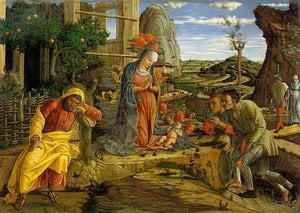
Andrea Mantegna, γεννημένος κοντά στην Πάδοβα γύρω στο 1431, αποτελεί μια καθοριστική φιγούρα που γεφυρώνει την Εποχή της Νέας Αναγέννησης και την Υψηλή Αναγέννηση. Το καλλιτεχνικό του ταξίδι δεν ήταν απλώς η υιοθέτηση κλασικών σχημάτων, αλλά μια βαθιά εμβάθυνση στην αρχαιότητα, μια παθιασμένη προσπάθεια αναβίωσης της πνοής της Ρώμης μέσα στην αναπτυσσόμενη ιταλική Αναγέννηση. Σε αντίθεση με πολλούς συμπατριείς του που έσπευσαν να εμπνευστούν από κλασικά πρότυπα, ο Μαντέγγα διαθέτει μια μοναδική φλόγα για την αρχαιολογική ακρίβεια. Αυτή η εμμονή πηγάζει από τα πρώιμα του χρόνια υπό τον Francesco Squarcione, έναν ζωγράφο και συλλέκτη, ο οποίος λειτουργούσε ως εργαστήριο λιγότερο σαν παραδοσιακό στούντιο και περισσότερο ως ακαδημία αφιερωμένη στη μελέτη των ρωμαϊκών ερειπίων, αγαλμάτων και επιγραφών. Σε αυτούς τους τοίχους, περιτριγυρισμένος από τα κομμάτια μιας χαμένης αυτοκρατορίας, άρχισε να διαμορφώνεται η καλλιτεχνική του όραση – μια όραση που χαρακτηρίζεται από σωματοποιημένα σχήματα, δραματική προοπτική και σχεδόν εμμονή στη λεπτομέρεια. Η πρώιμη ζωή του παραμένει κάπως θολή στο μυστήριο; Οι αναφορές υποδηλώνουν ότι ανακαλύφθηκε ως ένας πολλά υποσχόμενος μαθητευτής, το ταλέντο του αναγνωρίστηκε και καλλιεργήθηκε από τον Squarcione παρά τις ταπεινές καταβολές του. Αυτή η ασυνήθιστη αρχή ίσως πυροδότησε την αμείριστη επιδίωξή του για καλλιτεχνική άρτια και την αποφασιστικότητά του να διαμορφώσει ένα στυλ ξεκάθαρα δικό του.
Η Gonzaga Court και η Απάτη της Πραγματικότητας
Η καριέρα του Μαντέγγα άνθησε πραγματικά όταν μπήκε στις υπηρεσίες της οικογένειας των Gonzaga στη Μπαντώβα, καθίσταται ζωγράφος της αυλής το 1488. Αυτή η χορηγία παρείχε του ένα απρόβλεπτο επίπεδο καλλιτεχνικής ελευθερίας και μια πλατφόρμα για να υλοποιήσει τα πιο φιλόδοξα έργα του. Οι Gonzaga δεν ήταν απλώς χορηγοί, αλλά συνεργάτες, επιτρέποντας την παραγωγή έργων που έσπειραν το πηδάλιο της καλλιτεχνικής καινοτομίας. Κατά τη διάρκεια αυτής της περιόδου δημιουργήθηκε αυτό που θεωρείται πιθανώς το αριστούργημά του: τα φρεσκόχρωμα στην *Camera degli Sposi* (Κυβερνήτης των Δεσποτών) στο Παλάτσο Ντουκάλε. Αυτή η πρωτοποριακή δουλειά υπερβαίνει την απλή διακόσμηση, αποτελεί μια ολοκληρωμένη παραπλανητική ατμόσφαιρα, ενσωματώνοντας αρμονικά αρχιτεκτονική και ζωγραφική για να δημιουργήσει μια επεκταμένη αίσθηση χώρου. Τα φρεσκόχρωμα απεικονίζουν σκηνές από τη ζωή της οικογένειας των Gonzaga, πορτρέτα που είναι εξαιρετικά ζωντανά και ελκυστικά, και ένα εντυπωσιακό *di sotto in sù* (από κάτω προς τα πάνω) οροφή που δημιουργεί την ψευδαίσθηση ενός ανοιχτού ουρανού. Αυτός ο μαέστρος χειρισμός της προοπτικής δεν ήταν απλώς μια εκδήλωση τεχνικής δεξιοτεχνίας, αλλά μια προσπάθεια να δημιουργηθεί ένας κόσμος μέσα σε ένα δωμάτιο, να θολώσει τα όρια μεταξύ πραγματικότητας και αναπαράστασης. Εκτός από την *Camera degli Sposi*, ο Μαντέγγα συνέχισε να παράγει έργα εξαιρετικής ποιότητας για την αυλή των Gonzaga, συμπεριλαμβανομένης της εντυπωσιακής σειράς *Triumphs of Caesar*. Αυτά τα ζωγραφικά έργα, εμπνευσμένα από ρωμαϊκές τριумφαλικές πορείες, δεν είναι απλώς ιστορικές αναπαραστάσεις, αλλά περίτεχνα αλληγορικά έργα που γιορτάζουν την ισχύ και τη δόξα της οικογένειας των Gonzaga, παρουσιασμένα με μια μεγαλοπρέπεια που ανταγωνίζεται τις αυτοκρατορικές φιλοδοξίες της αρχαιότητας.
Ένας Μέγας του Χώρου και Ακρίβεια Ανατομίας
Οι καλλιτεχνικές καινοτομίες του Μαντέγγα δεν περιορίζονταν μόνο σε παραπλανητικές ατμόσφαιρες. Ήταν πρωτοπόρος στη χρήση της προοπτικής, συχνά χρησιμοποιώντας τεχνικές που έρχονταν ενάντια στις συμβατικές μεθόδους για να επιτύχει δραματικά αποτελέσματα. Συχνά, τροποποιούσε την οριζόντια γραμμή, δημιουργώντας μια αίσθηση μεγαλειότητας και επιβλητικού μεγέθους. Αυτή η τεχνική, σε συνδυασμό με την ακρίβεια της ανατομικής του, έδινε στα σχήματά του μια ανώτερη βαρύτητα και παρουσία. Δεν ήταν απλώς ένας ζωγράφος που απεικόνιζε το ανθρώπινο σώμα, αλλά προσπαθούσε να συλλάβει την εγγενή του αξιοπρέπειά του και τη δύναμή του. Η δέσμευσή του στην ανατομική ακρίβεια δεν ήταν απλώς μια άσκηση τεχνικής δεξιοτεχνίας, αλλά αντικατόπτισε την βαθιά του αφοσίωση στην κλασική γλυπτική και την επιθυμία του να μιμηθεί τις ιδανικές μορφές της αρχαιότητας. Έψαξε όχι μόνο για να απεικονίσει το ανθρώπινο σώμα, αλλά για να συλλάβει τη φύση του. Η επιρροή του επεκτάθηκε σε επόμενες γενιές καλλιτεχνών, όπως ο Ραφαήλ και ο Μιχαήλ Άγγελος, οι οποίοι βασίστηκαν στις βάσεις που έθεσε στην προοπτική, την ανατομία και τη σύνθεση.
Κληρονομιά και Διαρκής Επίδραση
Ο Andrea Mantegna πέθανε στη Μπαντώβα το 1506, αφήνοντας πίσω του ένα παθολόγιο που συνεχίζει να εμπνέει θαυμασμό και εκτίμηση. Το έργο του αντιπροσωπεύει μια κρίσιμη στροφή στην ιστορία της αναγεννησιακής τέχνης, γεφυρώνοντας το χάσμα μεταξύ των σχολών της Νέας και Υψηλής Αναγέννησης. Δεν ήταν απλώς ένας μιμητής κλασικών σχημάτων, αλλά ένας ερμηνευτής, προσαρμόζοντας αρχαίες μοτίβα και τεχνικές για να δημιουργήσει κάτι εντελώς νέο και μοναδικό του. Η ακριβής προσοχή του στη λεπτομέρεια, η άριστη κατανόηση της προοπτικής και η βαθιά του αφοσίωση στην αρχαιότητα τον καθιέρωσαν ως έναν από τους σημαντικότερους και πιο επιδραστικούς καλλιτέχνες της ιταλικής Αναγέννησης.



 Δείτε σε πραγματικό χώρο
 Μετάβαση σε Εκτυπωση
 Αποστολή
 Κοινοποίηση
 Λεπτομέρειες

 Λήψη
Λήψη
 Παρόμοια αντικείμενα συλλογής
 Ακτινογραφία
 Παρουσίαση
 Στατιστικά
 Διαβάστε περισσότερα






































 Η επιλογή με γυαλί είναι διαθέσιμη μόνο για μεγέθη κάτω από 110 εκ.