x
Δείτε σε πραγματικό χώροΔείτε σε πραγματικό χώρο Προεπισκόπηση σε ARΠροεπισκόπηση σε AR Αγορά εκτύπωσης Αγορά εκτύπωσηςΑγορά ψηφιακής εικόνας Αγορά ψηφιακής εικόνας ΑποστολήΑποστολή
ΛεπτομέρειεςΛεπτομέρειες Προσθήκη στα αγαπημένα Προσθήκη στα αγαπημένα ΛήψηΛήψη Παρόμοια αντικείμενα συλλογήςΠαρόμοια αντικείμενα συλλογής ΑκτινογραφίαΑκτινογραφία ΠαρουσίασηΠαρουσίαση

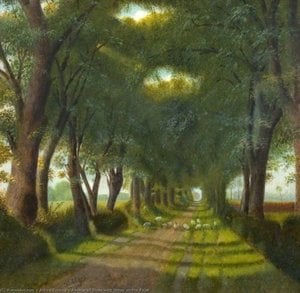
Bulbfields at Newton, Norfolk

  • Διαστάσεις36.0 x 54.0 cm

Explore the evocative sporting paintings of Alfred Balding, renowned for his 'Gypsy Lane' scenes & British countryside depictions. Discover a master of light & atmosphere.

Χειροποίητη Αναπαραγωγή σε Έλαιο

Χειροποίητη oil painting σε καμβά στο δικό σας μέγεθος και πλαίσιο, κατά παραγγελία από τους καλλιτέχνες μας. (Αγορά εκτύπωσης Αγορά εκτύπωσηςΑγορά ψηφιακής εικόνας Αγορά ψηφιακής εικόνας)

Πρότυπο μέγεθος
κατόπιν παραγγελίας
CM
INCH

Επιλέξτε από τις προκαθορισμένες διαστάσεις μας που διατηρούν τις αρχικές αναλογίες του έργου τέχνης.

πλάτος
ύψος

Μπορείτε να ορίσετε δικές σας διαστάσεις ώστε το έργο να ταιριάζει σε ένα συγκεκριμένο πλαίσιο ή χώρο. Εάν το επιλεγμένο μέγεθος δεν συμπίπτει με τις αναλογίες της αρχικής εικόνας, θα περικοψούμε το έργο ή θα επεκτείνουμε τη ζωγραφιά με πρόσθετα χειρόγραφα στοιχεία. Ένα ψηφιακό προσχέδιο θα σας αποσταλεί για έγκριση πριν την έναρξη της παραγωγής.
Παρακαλούμε σημειώστε ότι η προεπισκόπηση στην οθόνη δεν αντικατοπτρίζει την πραγματική περικοπή ή επέκταση. Μόνο το προσχέδιο θα δείξει με ακρίβεια την τελική σύνθεση.
Παρόλο που είναι διαθέσιμα προσαρμοσμένα μεγέθη, συνιστούμε να επιλέξετε μια διάσταση από τη λίστα των προκαθορισμένων μεγεθών για τη διατήρηση των αρχικών αναλογιών.

Παραδείγματα αλλαγών: Αντικατάσταση προσώπου με φωτογραφία του πελάτη· Προσθήκη κατοικίδιου (π.χ., αντικατάσταση γάτας με σκύλο)· Ενσωμάτωση κρυφού μηνύματος στο φόντο· Αλλαγή τοπίου ή στοιχείων του φόντου.
Μετά την παραγγελία, η ομάδα του WahooArt.com θα στείλει email στον πελάτη με οδηγίες και θα παρέχει μια προεπισκόπηση προσχεδίου

Παγκόσμια Αποστολή () σε 3-4 εβδομάδες αντί για τις συνήθεις 5 εβδομάδες. (5 Σεπτέμβριος). Χωρίς συμβιβασμούς στην ποιότητα.

why_choose_icon
Δωρεάν γρήγορη διεθνής αποστολή
why_choose_icon
Κάμβας από Λινό Υψηλής Ποιότητας
why_choose_icon
Πλήρης ασφάλιση μεταφοράς
why_choose_icon
Εγγύηση Επιστροφής Δασμών και Φόρων
why_choose_icon
Εγγύηση Απόλυτης Ομοιότητας Χρωμάτων
why_choose_icon
Πολιτική Επιστροφής 60 Ημερών (Μόνο σε περίπτωση ελαττωμάτων)
why_choose_icon
Εγγύηση επιστροφής 100% των χρημάτων
why_choose_icon
Προσφορά για μαζικές παραγγελίες

Συνολική Τιμή

$ 272

reproduction

Bulbfields at Newton, Norfolk

Μέσο Αναπαραγωγής

Διαστάσεις Αναπαραγωγής

-

Συνολική Τιμή

$ 272


Βιογραφία Καλλιτέχνη

Alfred Balding: A Master of the English Countryside

Alfred Balding (1858-1915) remains a quietly significant figure in British art, an artist whose evocative depictions of the rural landscape and sporting scenes have earned him a devoted following. Often overshadowed by his more flamboyant contemporaries, Balding’s work possesses a subtle power—a mastery of light, atmosphere, and a deep understanding of the rhythms of the English countryside that speaks volumes about his profound connection to the land.

Born in Walsoken, Norfolk, into a family with a strong artistic tradition – his father was a landscape painter – Balding’s early life was steeped in the visual world. He initially pursued a career as a solicitor, but the pull of art proved too strong. He began exhibiting his work seriously in the 1880s, quickly establishing himself as a skilled painter of sporting scenes and landscapes. His style evolved considerably over time, moving from a more academic approach to one characterized by loose brushwork, vibrant color palettes, and an emphasis on capturing fleeting moments of light and mood. Balding’s early influences included the Dutch Masters, particularly their use of light and atmospheric perspective, as evidenced in works like “Interior of Parson Drove,” a meticulously rendered depiction of a Cambridgeshire mill scene that demonstrates his ability to recreate the textures and details of rural life with remarkable precision.

The Rise of ‘Gypsy Lane’

Balding's most celebrated work, undoubtedly, is "Gypsy Lane," painted in 1913. This iconic image, depicting a scene on the Norfolk Broads – a network of waterways and marshes – captures a quintessential moment of rural life. A group of gypsies are seen traveling along a muddy track, their horses silhouetted against the golden light of the setting sun. The painting’s enduring appeal lies in its ability to evoke a sense of timelessness and tranquility. It's not merely a representation of a specific scene; it’s an embodiment of the spirit of the English countryside – its beauty, its solitude, and its connection to generations past.

The success of “Gypsy Lane” brought Balding considerable recognition, but he continued to paint prolifically throughout his career. He was particularly drawn to scenes of Norfolk, capturing the unique character of the region’s landscapes and people with a keen eye for detail and an empathetic understanding of their lives. His depictions of the Broads, the coastline, and the surrounding villages are imbued with a sense of warmth and nostalgia – reflecting his deep affection for the area.

Technique and Style

Balding’s artistic technique was characterized by a loose, expressive brushstroke that allowed him to capture the fleeting effects of light and atmosphere. He employed a vibrant color palette, often using complementary colors to create a sense of depth and luminosity. His compositions were typically balanced and harmonious, with an emphasis on creating a sense of visual rhythm. Unlike some of his contemporaries who favored dramatic lighting and bold brushwork, Balding’s style was more subtle and understated – relying on the careful observation of nature and the skillful manipulation of color to convey his artistic vision.

He wasn't afraid to experiment with Impressionistic techniques, particularly in works like “A Large Number of Standing Stones,” where he used broken brushstrokes and a hazy atmosphere to create a sense of distance and mystery. However, his paintings always retained a strong sense of realism – reflecting his commitment to accurately portraying the details of the natural world.

Legacy and Historical Significance

Alfred Balding’s work has had a lasting impact on British art. He is remembered as one of the foremost painters of the English countryside, whose evocative depictions have helped to shape our understanding of this iconic landscape. His paintings are exhibited in major museums and galleries throughout the country, and his work continues to be admired for its beauty, its sensitivity, and its profound connection to the spirit of England.

Balding’s legacy extends beyond his artistic achievements. He was also a dedicated conservationist, actively campaigning to protect the Norfolk Broads from development. His paintings serve as a powerful reminder of the importance of preserving this unique landscape for future generations. His work stands as a testament to the enduring power of art to capture and celebrate the beauty of the natural world.

alfred balding

alfred balding

1858 - 1915

Γρήγορα στοιχεία

  • Artistic Movement Or Style: Sporting art, Impressionism
  • Artists Or Movements Influenced By This Artist:
    • William Frith
    • Pre-Raphaelites
  • Artists Who Influenced This Artist:
    • John Constable
    • J.M.W. Turner
  • Date Of Birth: 1858
  • Date Of Death: 1915
  • Full Name: Alfred Balding
  • Nationality: British
  • Notable Artworks:
    • Gypsy Lane, Walsoken
    • Parson Drove Mill
    • Standing Stones
  • Place Of Birth: WahooArt, Norfolk, UK