Πρωτοπόρος των Οριενταλιστικών Όραμα: Η Ζωή και η Τέχνη του Alexandre Gabriel Decamps
Ο Alexandre Gabriel Decamps, ένα όνομα που αντηχεί με τις ζωντανές αποχρώσεις των εξωτικών τοπίων και τη δραματική αύρα του Ρομαντισμού, αναδύθηκε ως μια κεντρική φιγούρα στη γαλλική ζωγραφική του 19ου αιώνα. Γεννημένος στο Παρίσι στις 3 Μαρτίου 1803, το καλλιτεχνικό του ταξίδι ήταν ένα μονοπάτι τολμημένης καινοτομίας, προκαλώντας τις ακαδημαϊκές συμβάσεις και ανοίγοντας τον δρόμο προς αυτό που αργότερα θα γινόταν γνωστό ως Οριενταλισμός. Ενώ συνtemporarys όπως ο Delacroix και ο Ingres κατείတည်αν επίσης σημαντικές θέσεις στον γαλλικό κόσμο της τέχνης, ο Decamps ξεχώρισε μέσω ενός έντονα προσωπικού στυλ—μια συγχώνευση προσεκτικής παρατήρησης, δραματικής σύνθεσης και μιας μαγευτικής αφηγηματικής ποιότητας που έλκυε τους θεατές σε κόσμους τόσο οικείους όσο και εντελώς ξένους. Η πρώιμη αναγνώρισή του ως ταλαντούχος καλλιτέχνης προανέφερε μια καριέρα σημαδεμένη από την κριτική επιδοκιμασία, η οποία κορυφώθηκε με το βραβείο grand or council medal στην Έκθεση του Παρισιού το 1855, μια απόδειξη της εξαιρετικής δεξιοτη निपटने και της μοναδικής του οπτικής. Πέρα από τον καμβά, ο Decamps ήταν ένας άνθρωπος βαθιά συνδεδεμένος με τη φύση, βρίσκοντας παρηγοριά και έμπνευση στην ύπαιθρο γύρω από το Παρίσι, όπου απολάμβανε το πάθος του για τα ζώα και τα κυνηγετικά αθλήματα—μια αγάπη που θα διέπρεπε απαρατήρητα σε μεγάλο μέρος της καλλιτεχνικής του παραγωγής.
Από τις Γραφές στην Σαχάρα: Η Εξέλιξη ενός Καλλιτεχνικού Στυλ
Η καλλιτεχνική εξέλιξη του Decamps χαρακτηριζόταν από τη διάθεση να εξερευνήσει ποικίλα θέματα και τεχνικές. Αρχικά ελκυσμένος από ιστορικές και βιβλικές σκηνές, ξεχώρισε γρήγορα αποδίδοντας αυτές τις αφηγήσεις με ένα πρωτοφανές επίπεδο ρεαλισμού—καθιστώντας τις αληθινές μέσα από αυθεντικά τοπικά σκηνικά, αντί να βασίζεται σε ιδεατοποιημένες ή συμβατικές αναπαραστάσεις. Αυτή η δέσμευση στην αλήθεια προέκυψε από τα ταξίδια του στην Ανατολή, εμπειρίες που επηρέασαν βαθιά τις καλλιτεχνικές του αισθήσεις. Δεν περιγράφερε απλώς αυτό που έβλεπε· μετέδιδε μια αίσθηση της ατμόσφαιρας, του φωτός και της ίδιας της ουσίας αυτών των μακρινών χωρών. Το
Joseph Sold by His Brethren, για παράδειγμα, δεν είναι απλώς μια εικονογράφηση μιας βιβλικής ιστορίας, αλλά μια ζωντανή απεικόνιση ενός συγκεκριμένου χρόνου και τόπου, γεμάτη συναισθηματικό βάθος και ψυχολογική εμβάθυνση. Αυτή η προσέγγιση επεκτάθηκε στα μεγαλύτερα ιστορικά του έργα, όπως το
The Defeat of the Cimbri, όπου κατάφερε με δεξιοτεχνία να αποτυπώσει την αταξία και τη σκληρότητα της μάχης, αναδεικνύοντας την ικανότητά του να διαχειρίζεται μεγαλότομες συνθέσεις με δυναμική ενέργεια. Ωστό एग्जामपुर, ήταν οι απεικονίσεις της οριενταλιστικής ζωής που τον έθεσαν πραγματικά ξεχωριστό. Έκρυβε καθημερινές σκηνές—αγορές, σχολεία, οικιακά εσωτερικά—με μια πιστότητα που αρχικά εξέπληξε τους κριτικούς που ήταν συνηθισμένοι σε πιο ρομαντισμένες ή στερεοτυπικές αναπαραστάσεις.
Ο Πατέρας του Οριενταλισμού και η Διαχρονική του Επιρροή
Ο Decamps θεωρείται δικαιόλογα ο ιδρυτικός πατέρας του Οριενταλισμού στη γαλλική ζωγραφική. Πριν από αυτόν, οι απεικονίσεις της Ανατολής φιλτράρονταν συχνά μέσα από ένα πρίσμα φαντασίας και εξωτισμού. Εκείνος παρουσίασε μια διαφορετική οπτική—μία ριζωμένη στην άμεση παρατήρηση και την αληθινή περιέργεια. Η έκθεσή του στο Salon το 1831 σηματοδότησε ένα σημείο καμπής, παρουσιάζοντας στο παρισινό κοινό μια αθέατη ματιά στη ζωή στη Βόρεια Αφρική και τη Μέση Ανατολή. Αυτή η πρωτοποριακή προσέ एग्जामपुर αντήχησε σε καλλιτέχνες και συγγραφείς εξίσου, εμπνεύοντας ένα κύμα οριενταλιστικών έργων που θα κυριάρχησαν σε μεγάλο μέρος της τέχνης του 19ου αιώνα. Το στυλ του—χαρακτηρισμένο από τολμηρές πινελιές, έντονες αντιθέσεις φωτός και σκιάς και μια αισθητή αίσθηση ατμόσφαιρας—έγινε σημείο αναφοράς για γενιές ζωγράφων, φωτογράφων και συγγραφέων. Ο
Maxime du Camp τον αποκάλεσε με δόξα τον «Κριστόφορο Κολόμβο της Ανατολής», αναγνωρίζοντας τον πρωτοποριακό του ρόλο στο άνοιγμα αυτού του νέου καλλιτεχνικού εδάφους. Το
The Albanian Dancer, με τα ζωντανά χρώματά του και τη δυναμική σύνθεση, ενσαρκώνει την ικανότητά του να αγγίζει το πνεύμα μιας κουλτούρας διατηρώντας μια σαφώς γαλλική αισθητική ευαισθησία. Ακόμη και σατιρικά έργα όπως το
The Monkey Connoisseurs, μια παιχνιδιάρικη προσβολή προς την συντηρητική επιτροπή της Académie des Beaux-Arts, αποδεικνύουν τη διάθεσή του να αμφισβητεί τα καθιερωμένα πρότυπα και να αγκαλιάζει μια πιο ανεξάρτητη καλλιτεχνική οπτική.
Ένα Τραγικό Τέλος και μια Αιώνια Κληρονομιά
Δυστυχώς, η ζωή του Decamps διακόπηκε πρόωρα στις 22 Αυγούστου 1860, στην ηλικία των 57 ετών, μετά από ένα ατύχημα κατά τη διάρκεια κυνήγι κοντά στο Fontainebleau. Ο πρόωρος θάνατός του deprived τον κόσμο της τέχνης από ένα πραγματικά καινοτόμο ταλέντο, αλλά η κληρονομιά του συνεχίζει να επιβιώνει μέσα από τους μαγευτικούς πίνακές του και την αιώνια γοητευσή τους. Σήμερα, αριστουργήματα όπως το
Incendie d'un village italien, με την δραματική απεικόνιση της σύγκρουσης και τη δεξιοτεχνική χρήση του impasto, και το
A Bedouin and a Camel Resting in a Desert, που αναδεικνύει τις υφές και την ηρεμία της ερημικής ζωής, τιμώνονται για την καλλιτεχνική τους αξία και την ιστορική τους σημασία. Τα έργα του βρίσκονται σε κορυφαία ιδρύματα όπως το Musée du Louvre στο Παρίσι, διασφαλίζοντας ότι η οπτική του συνεχίζει να εμπνέει και να μαγεύει κοινό σε όλο τον κόσμο. Πλατφόρμες όπως το WahooArt.com παίζουν ζωτικό ρόλο στη διατήρηση και την εξάπλωση της τέχνης του, προσφέροντας υψηλής ποιότητας αναπαραγωγές που επιτρέπουν στους θαυμαστές να βιώσουν άμεσα την ομορφιά και τη δύναμη των πινάκων του Decamps. Η επιρροή του εκτείνεται πέρα από το πεδίο της ζωγραφικής, διαμορφώνοντας τις αντιλήψεις για την Ανατολή και αφήνοντας ένα αμετάβλητο αποτύπωμα στο πολιτιστικό τοπίο της Ευρώπης του 19ου αιώνα.
Εξερευνώντας τον Κόσμο του Decamps: Σημαντικά Έργα
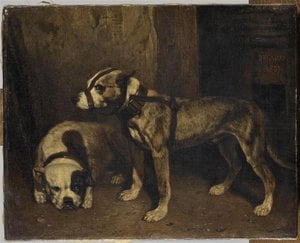
- CHIENS BRIFAUTS: Μια γοητευτική οριενταλιστική σκηνή που παρουσιάζει σκύλους σε ένα ζωντανό περιβάλλον.
- LA COUR DE FERME: Ένας μαγευτικός πίνακας του 19ου αιώνα που συνδυάζει τον γαλλικό Ρομαντισμό με ιστορικές λεπτομέρειες.
- L’ÉCOLE TURQUE: Μια ζωντανή απεικόνιση ενός τουρκικού σχολείου, που αγγίζει την ενέργεια και την ατμόσφαιρα της καθημερινής ζωής.
- PAYSAGE TURC: Ένα γαλήνιο τοπίο που εξερευνά τον ρεαλισμό και τον ρομαντισμό σε ένα γαλλικό πλαίσιο.



 Δείτε σε πραγματικό χώρο
 Μετάβαση σε Εκτυπωση
 Αποστολή
 Κοινοποίηση
 Λεπτομέρειες

 Λήψη
Λήψη
 Παρόμοια αντικείμενα συλλογής
 Ακτινογραφία
 Παρουσίαση
 Στατιστικά

 Διαβάστε περισσότερα






































 Η επιλογή με γυαλί είναι διαθέσιμη μόνο για μεγέθη κάτω από 110 εκ.