Προεπισκόπηση Προεπισκόπηση σε AR Μετάβαση σε Εκτυπώσεις Μετάβαση σε Ψηφιακή Εικόνα Αποστολή
Λεπτομέρειες Οδηγός Προσθήκη στα αγαπημένα Λήψη Παρόμοια αντικείμενα συλλογής Ακτινογραφία Παρουσίαση Στατιστικά

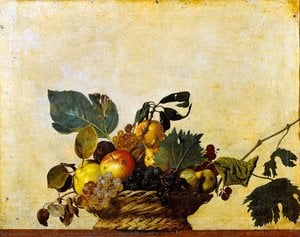
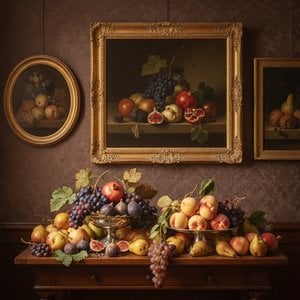
Fruit Still-Life

Experience Baroque elegance with Abraham Brueghel's vibrant fruit still life, showcasing masterful chiaroscuro and abundance; discover this timeless piece today.

Abraham Brueghel (1631-c.1690) was a Flemish Baroque painter from a renowned art family. Known for vibrant floral still lifes, fruit compositions & decorative Italianate style. Key role in Naples' still life development.

Χειροποίητη Αναπαραγωγή σε Έλαιο

Χειροποίητη ελαιογραφία σε καμβά στο δικό σας μέγεθος και πλαίσιο, κατά παραγγελία από τους καλλιτέχνες μας. ( Μετάβαση σε Εκτυπώσεις Μετάβαση σε Ψηφιακή Εικόνα)

P118B $10
P118H $10
P118W $10
P438Z $10
P508JH $12
P508YH $12
P805H $10
P805Z $10
P919BZ $10
P919G $10
P919XJ $10
P959ZH $10
P968JZ $12
W106C $8
W218G $10
W218JH $8
W218Y $10
W307PJ $10
W316G $10
W316PJ $8
W316Y $10
W398PJ $8
W4111J $10
W500HY $15
W500JH $15
W692G $12
W849H $8
W940BG $15
W953PJ $8

Πρότυπο
κατόπιν παραγγελίας
CM
INCH

Επιλέξτε από τις προκαθορισμένες διαστάσεις μας που διατηρούν τις αρχικές αναλογίες του έργου τέχνης.

πλάτος
ύψος

Μπορείτε να ορίσετε δικές σας διαστάσεις ώστε το έργο να ταιριάζει σε ένα συγκεκριμένο πλαίσιο ή χώρο. Εάν το επιλεγμένο μέγεθος δεν συμπίπτει με τις αναλογίες της αρχικής εικόνας, θα περικοψούμε το έργο ή θα επεκτείνουμε τη ζωγραφιά με πρόσθετα χειρόγραφα στοιχεία. Ένα ψηφιακό προσχέδιο θα σας αποσταλεί για έγκριση πριν την έναρξη της παραγωγής.
Παρακαλούμε σημειώστε ότι η προεπισκόπηση στην οθόνη δεν αντικατοπτρίζει την πραγματική περικοπή ή επέκταση. Μόνο το προσχέδιο θα δείξει με ακρίβεια την τελική σύνθεση.
Παρόλο που είναι διαθέσιμα προσαρμοσμένα μεγέθη, συνιστούμε να επιλέξετε μια διάσταση από τη λίστα των προκαθορισμένων μεγεθών για τη διατήρηση των αρχικών αναλογιών.

Παραδείγματα αλλαγών: Αντικατάσταση προσώπου με φωτογραφία του πελάτη· Προσθήκη κατοικίδιου (π.χ., αντικατάσταση γάτας με σκύλο)· Ενσωμάτωση κρυφού μηνύματος στο φόντο· Αλλαγή τοπίου ή στοιχείων του φόντου.
Μετά την παραγγελία, η ομάδα του WahooArt.com θα στείλει email στον πελάτη με οδηγίες και θα παρέχει μια προεπισκόπηση προσχεδίου

Παγκόσμια Αποστολή () σε 3-4 εβδομάδες αντί για τις συνήθεις 5 εβδομάδες. (21 Σεπτέμβριος). Χωρίς συμβιβασμούς στην ποιότητα.

why_choose_icon
Δωρεάν γρήγορη διεθνής αποστολή
why_choose_icon
Κάμβας από Λινό Υψηλής Ποιότητας
why_choose_icon
Πλήρης ασφάλιση μεταφοράς
why_choose_icon
Εγγύηση επιστροφής δασμών και φόρων εισαγωγής
why_choose_icon
Εγγύηση Απόλυτης Ομοιότητας Χρωμάτων
why_choose_icon
Πολιτική Επιστροφής 100 Ημερών (Μόνο σε περίπτωση ελαττωμάτων)
why_choose_icon
Εγγύηση επιστροφής 100% των χρημάτων
why_choose_icon
Έκπτωση για πολλαπλές παραγγελίες

Συνολική Τιμή

$ 272

reproduction

Fruit Still-Life

Τεχνική Αναπαραγωγής

Διαστάσεις Αναπαραγωγής

-

Συνολικό Κόστος

$ 272

Βασικά στοιχεία

  • Year: 1670
  • Artist: Abraham Brueghel
  • Notable elements or techniques: Dramatic lighting; Detailed fruit rendering
  • Movement: Baroque
  • Subject or theme: Abundance; Fruit Composition
  • Influences: Caravaggio
  • Dimensions: 60 x 73 cm

ΚВИΖ Τέχνης

Για κάθε ερώτηση υπάρχει μόνο μία σωστή απάντηση.

Ερώτηση 1:
Abraham Brueghel is known for his contributions to which artistic movement?
Ερώτηση 2:
What prominent artist did Abraham Brueghel collaborate with frequently during his career?
Ερώτηση 3:
The painting depicts a scene featuring various fruits, including apples, oranges, grapes and plums. What is the overall impression created by the vibrant colors of these fruits?
Ερώτηση 4:
The image shows a knife alongside the fruit. What is its likely purpose within the composition?
Ερώτηση 5:
Abraham Brueghel’s style is characterized by a focus on landscapes and depictions of peasant life. How does this influence his artistic vision?

A Symphony of Abundance: The Baroque Brilliance of Abraham Brueghel

In the quiet theater of 17th-century still life, few artists commanded the stage with as much sensory richness as Abraham Brueghel. His Fruit Still-Life, painted around 1670, serves as a breathtaking testament to the Flemish Baroque tradition, capturing a moment of suspended animation where nature’s bounty is elevated to high art. At first glance, the viewer is greeted by a lush arrangement of apples, oranges, grapes, and plums, each piece rendered with such tactile precision that one can almost sense the cool skin of the fruit and the sweet, heavy scent of ripeness hanging in the air. This is not merely a depiction of food; it is a carefully choreographed dance of color and light, designed to evoke a sense of profound prosperity and the fleeting nature of earthly delights.

The composition is anchored by a deep, masterful use of chiaroscuro, a hallmark of the era. Brueghel utilizes dramatic contrasts between deep, velvety shadows and brilliant, focused highlights to sculpt the rounded forms of the fruit, giving them a three-dimensional presence that leaps from the canvas. This technique, heavily influenced by the tenebrism of Caravaggio and the Neapolitan school, creates a sense of theatrical depth. A gleaming knife rests on the right side of the frame, its metallic sheen catching a stray beam of light, acting as a sharp, man-made counterpoint to the organic softness of the fruit. The placement of a heavy bowl in the bottom left corner provides a structural foundation, guiding the eye through a rhythmic arrangement of textures—from the matte surface of a plum to the translucent glow of a grape.

A Legacy of Color and Light

To understand the soul of this masterpiece, one must look to Brueghel’s unique artistic lineage. Born into the legendary Brueghel dynasty in Antwerp, Abraham was a scion of a family that defined European painting. While his ancestors often focused on sweeping landscapes and peasant life, Abraham turned his gaze toward the intimate and the opulent. His travels through Italy allowed him to fuse the meticulous observational skills of his Flemish heritage with the dramatic, emotive lighting of the Italian Renaissance. This synthesis is palpable in Fruit Still-Life; there is a Northern precision in how every bruise on an apple or droplet of moisture is captured, yet the overall atmosphere possesses a Mediterranean warmth and grandeur.

For the discerning collector or interior designer, this painting offers more than just visual beauty; it provides a focal point of timeless elegance. The vibrant palette of citrus oranges, deep purples, and verdant greens creates a sophisticated energy that can anchor a room, whether placed in a contemporary minimalist setting or a classic, richly appointed study. As a reproduction, this work brings the prestige of the Baroque era into the modern home, offering an invitation to contemplate the beauty of the natural world through the lens of a master. It is a piece that speaks of luxury, stability, and the enduring allure of life's most simple, yet magnificent, offerings.


Βιογραφικό Καλλιτέχνη

A Scion of a Painting Dynasty: The Life and Art of Abraham Brueghel

Abraham Brueghel, born in Antwerp in 1631, emerged from one of the most celebrated artistic lineages in Flemish history. A member of the prolific Brueghel family—descending from the renowned Pieter Bruegel the Elder—he inherited a legacy steeped in landscape painting, peasant life depictions, and an acute observation of the natural world. However, Abraham’s path diverged somewhat from his ancestors, leading him towards Italy where he became a pivotal figure in the development of decorative Baroque still lifes. His story is one of artistic migration, adaptation, and ultimately, establishing a distinct voice within the vibrant Roman and Neapolitan art scenes. From an early age, Abraham demonstrated considerable promise, nurtured by his father, Jan Brueghel the Younger, a skilled painter himself and frequent collaborator with Peter Paul Rubens. Even as a teenager, his talent was recognized; one of his floral still lifes was sold when he was just fifteen years old—a testament to his burgeoning skill.

From Antwerp to Italy: A Blossoming Career

The year 1649 marked a turning point in Abraham’s life and career. At the age of eighteen, he journeyed to Sicily to fulfill a commission for Prince Antonio Ruffo—the first of many that would define his artistic trajectory. This initial foray into Italian patronage proved fruitful; within a short time, Prince Ruffo's collection boasted nine flower paintings by the young artist. A decade later, in 1659, Brueghel settled in Rome, marrying Angela Buratti and quickly becoming integrated into the city’s thriving artistic community. His acceptance into the prestigious Accademia di San Luca in 1670 solidified his standing among Roman artists, recognizing his dedication to elevating the craft of painting. He also joined the *Bentvueghels*, a society of Dutch and Flemish painters known for their convivial gatherings and adoption of playful nicknames—Abraham was christened “Rijngraaf,” or Duke of the Rhine, an aristocratic title reflecting his heritage. This period in Rome saw Brueghel’s style begin to mature, influenced by the sweeping grandeur of Italian High Baroque while retaining a distinctly Flemish sensibility for detail and decorative profusion.

Naples and the Flourishing of Still Life

Around 1672-1675, Abraham relocated once more, this time to Naples. This move proved particularly significant as he introduced the Flemish-Roman style of elaborate still life painting to a city that had previously resisted it. Before Brueghel’s arrival, Neapolitan art favored different traditions; his vibrant compositions—overflowing with southern fruits, lush flowers, and often set against dramatic landscapes—were a novelty that gradually gained acceptance and influence. He remained in Naples until his death around 1690 (though some sources suggest as late as 1697), establishing himself as a leading figure in the city’s artistic landscape. His work during this period is characterized by brighter colors, bolder brushstrokes, and an increasing emphasis on opulent arrangements—reflecting the influence of Flemish masters like Frans Snyders, Jan Fyt, and Pieter Boel who had also worked within the Italian context.

A Synthesis of Styles: Brueghel’s Artistic Legacy

Abraham Brueghel's artistic achievement lies in his masterful synthesis of Flemish meticulousness and Italian Baroque dynamism. He didn’t merely replicate existing styles; he forged a unique aesthetic that combined the decorative abundance favored by his predecessors with the dramatic movement and theatricality characteristic of his Italian contemporaries, such as Michele Pace del Campidoglio and Michelangelo Cerquozzi. His still lifes are not simply representations of objects but carefully constructed compositions—often featuring precious vases, fragments of Roman sculpture, or antique monuments—that create a sense of luxurious abundance and refined taste. He frequently collaborated with other artists, often painting the landscapes within his still life arrangements while commissioning specialists to add *staffage* – figures or animals – enhancing the narrative depth of his works. These collaborations included prominent Italian painters like Carlo Maratta, Giovanni Battista Gaulli, and Giacinto Brandi, as well as French artist Guillaume Courtois. Brueghel’s legacy extends beyond his individual paintings; he played a crucial role in popularizing the decorative still life genre in Naples, influencing subsequent generations of artists and leaving an indelible mark on the city's artistic heritage. His work continues to captivate viewers with its vibrant colors, intricate details, and harmonious blend of Flemish precision and Italian grandeur.
Abraham Brueghel

Abraham Brueghel

1631 - 1690 , Belgium

Στοιχεία καλλιτέχνη

  • Artistic Movement Or Style: Baroque
  • Artists Or Movements Influenced By This Artist: ['Naples still life painting']
  • Artists Who Influenced This Artist:
    • Jan Brueghel the Younger
    • Frans Snyders
    • Jan Fyt
  • Date Of Birth: 1631
  • Date Of Death: c. 1690
  • Full Name: Abraham Brueghel
  • Nationality: Flemish
  • Notable Artworks:
    • Bunches of Grapes...
    • Landscape with Silenus...
    • Woman Grasping Fruit
  • Place Of Birth: Antwerp, Belgium