Matthijs Maris: Die Brücke zwischen Romantik und traumhafter Vision
Matthijs Maris (1838–1917) nimmt eine singuläre Stellung in der niederländischen Kunstgeschichte ein – ein Künstler, der sich einer einfachen Kategorisierung beharrlich entzog und dennoch das Publikum mit seinen eindringlichen Landschaften und exquisit ausgearbeiteten Porträts unweigerlich in seinen Bann zog. Geboren in Den Haag, sah sich Maris’s frühe künstlerische Ambition mit der schmerzhaften Ablehnung durch die Haager Kunstakademie konfrontiert – ein Rückschlag, der ihn ironischerweise zu einem unverwechselbaren Stil führte, der sowohl im romantischen Idealismus als auch in der Sensibilität der Vorraffaeliten verwurzelt war. Diese einzigartige Verbindung sollte zum Markenzeichen seines Lebenswerks werden und ihn als einen der ausdrucksstärksten Maler seiner Ära etablierte, der fähig war, die Grenzen des reinen Realismus zu überschreiten und in die Sphären des Unterbewussten vorzudringen.
Seine prägenden Jahre waren von dem unermüdlichen Streben nach Meisterschaft trotz institutioneller Hürden geprägt. Nachdem er die Aufnahmeprüfung der Akademie zunächst nicht bestanden hatte, suchte er den Unterricht bei Isaac Cornelis Elink Sterk, dem Sekretär der Institution, um seine handwerklichen Grundlagen im Privaten zu verfeinern. Doch erst das Mentoring des Marinemalers Louis Meijer lenkte ihn wahrhaftig auf einen professionellen Weg. Diese Beziehung erwies sich als entscheidend, da Meijer ihm half, ein königliches Stipendium von Königin Sophie zu erhalten – eine Chance, die es Matthijs ermöglichte, seinem Bruder Jacob nach Antwerpen zu folgen. In diesem pulsierenden belgischen Zentrum teilten die Brüder ein Atelier und tauchten tief in eine Landschaft intensiver künstlerischer Experimente ein.
Eine Reise durch Licht und Symbolik
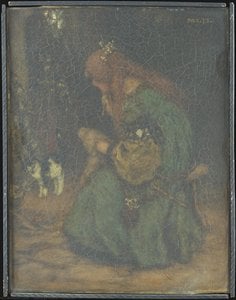
Die Antwerpener Periode war maßgeblich für die Ausformung des reifen Maris-Stils verantwortlich. Durch die Zusammenarbeit mit seinem Bruder Jacob wurde Matthijs einem vielfältigen intellektuellen Umfeld ausgesetzt, das unter anderem den Einfluss der deutschen Romantik während seiner Reisen durch Köln beinhaltete. Diese Begegnungen entfachten eine lebenslange Faszination für expressive Kraft und atmosphärische Tiefe. Als er sich von der konventionelleren, bodenständigeren Ästhetik der Haager Schule entfernte, begann sein Werk, eine tiefgreifende Auseinandersetzung mit Folklore, Märchen und symbolischen Details widerzuspiegeln. Seine Leinwände wurden zu Fenstern in traumhafte Welten, in denen die subtilen Nuancen des Lichts und wechselnde Wetterbedingungen nicht nur dazu dienten, die Natur zu dokumentieren, sondern ein Gefühl von Mysterium und Sehnsucht zu evozieren.
Seine künstlerische Entwicklung wurde durch Kollaborationen und Reisen weiter bereichert, die seinen visuellen Wortschatz erweiterten:
- Der Oosterbeek-Kreis: In der Künstlerkolonie von Oosterbeek knüpfte Maris Verbindungen zu bedeutenden Malern wie Gerard Bilders und Anton Mauve, was ihm half, seine Fähigkeit zu verfeinern, die flüchtigen Qualitäten der niederländischen Landschaft einzufangen.
- Europäische Reisen: Seine Wanderungen durch die Schweiz, Frankreich und Deutschland ermöglichten es ihm, die breiteren europäischen Strömungen des Symbolismus und Impressionismus aufzusaugen und diese in seine ganz eigene, niederländische Perspektive zu integrieren.
- Technische Vielseitigkeit: Über die Pinselführung hinaus war Maris ein geschickter Radierer und Lithograf – Medien, die es ihm erlaubten, intimere, lineare Ausdrucksformen seiner visionären Themen zu erkunden.
Vermächtnis und historische Bedeutung
Obwohl er oft zusammen mit seinen Brüdern Jacob und Willem unter dem Schirm der Haager Schule betrachtet wird, definiert sich das Vermächtnis von Matthijs Maris durch seine Abkehr von deren gemeinsamem Realismus. Er war ein Künstler, der ebenso sehr nach innen blickte wie auf den Horizont. Indem er seine Landschaften mit einem Hauch des Übernatürlichen und Poetischen durchdrang, schlug er die Brücke zwischen den naturalistischen Traditionen der Niederlande und der aufstrebenden symbolistischen Bewegung, die ganz Europa erfasst haben sollte. Seine Fähigkeit, das Unsichtbare einzufangen – die Stimmung, den Mythos und die Erinnerung – sichert ihm seinen Platz als ein wesentliches Bindeglied in der Entwicklung der modernen niederländischen Malerei und hinterlässt ein Werk, das die zeitgenössische Vorstellungskraft bis heute auf eindringliche Weise inspiriert.
Fragen & Antworten
Aus welcher Epoche stammte Matthijs Maris?
Matthijs Maris war in der Epoche der – 19. Jahrhundert tätig. Diese Periode ordnet das künstlerische Schaffen historisch ein.
Wo und wann wurde Matthijs Maris geboren?
Matthijs Maris wurde im Jahr 1838 in Die Hague geboren.
Wo lassen sich die nach Themen sortierten Kunstwerke von Matthijs Maris entdecken?
Die Seite Themenübersicht ordnet die Kunstwerke von Matthijs Maris nach Themen an.