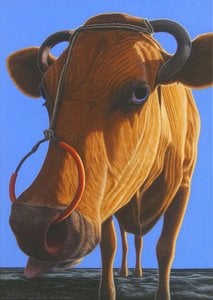
Eine Vision der koreanischen ländlichen Landschaft
Lee Jong-gu gilt als eine herausragende Figur der zeitgenössischen koreanischen Malerei, anerkannt für seine meisterhaften Darstellungen der heiteren Schönheit und der beständigen Traditionen des ländlichen Koreas. Geboren 1954 in Seosan, Südkorea, begann er eine künstlerische Reise, die durch eine tiefe Auseinandersetzung mit dem kulturellen Erbe seiner Heimat geprägt wurde – eine Verbindung, die seinen unverwechselbaren Stil und seine Technik zutiefst beeinflusst. Seine prägenden Jahre waren von einem unermüdlichen Streben nach akademischer Exzellenz an der Chungang University in Seoul geprägt, gefolgt von weiterführenden Studien an der Inha University in Incheon, wo er einen M.F.A. in Kunstpädagogik erlangte. Dieses fundierte akademische Fundament verlieh ihm eine akribische Herangehensweise an Beobachtung und Darstellung und bildete die Basis für eine Karriere, die der unerschütterlichen Aufgabe gewidmet ist, das Wesen des koreanischen Volkslebens einzufangen.Die Kunstfertigkeit von Textur und Atmosphäre
Die künstlerische Handschrift Lee Jong-gus liegt in seinem innovativen Einsatz von Acrylfarben in Kombination mit Collage-Techniken – ein dualer Ansatz, der strukturierte Oberflächen und vielschichtige visuelle Erzählungen schafft. Anstatt bloße Nachahmung zu betreiben, strebt er danach, den Geist und die Atmosphäre seiner Motive durch ein haptisches Medium zu vermitteln. Seine Technik ermöglicht lebendige Farben und leuchtende Effekte, während die Einführung von Collage-Elementen – Fragmente aus Papier oder Stoff – die gesamte Komposition mit einem Gefühl von Materialität und erzählerischer Tiefe bereichert. Diese Methode findet ihre atemberaubendste Umsetzung in seinem monumentalen Gemälde Black Grassland (2008). Mit immensen Ausmaßen von 1120 x 1620 cm verdeutlicht dieses Werk seine Fähigkeit, den Maßstab zu nutzen, um nicht nur visuelle Details, sondern auch die tiefe emotionale Resonanz der natürlichen Welt einzufangen. In diesem Stück wird der Betrachter in einen Moment tiefer Stille eingeladen, in dem er einer großen, gehörnten Kuh begegnet, deren stetiger Blick den unseren trifft und so eine intime Spannung zwischen der erdgebundenen Realität des Tieres und dem unendlichen, ätherischen Himmel erzeugt.Symbolik und das Echo der Tradition
Über die eindrucksvolle visuelle Wirkung seiner Werke hinaus dienen Lee Jong-gus Gemälde als bewegende Meditationen über die sich wandelnde Landschaft des koreanischen Lebens. Seine Bildsprache greift oft auf tief verwurzelte kulturelle Symbole zurück; so erscheint beispielsweise das Rind in seinem Werk häufig als Wächter der Tradition, der Stärke, Geduld und die grundlegenden Rhythmen einer Agrargesellschaft repräsentiert, die mit einer rasanten Modernisierung konfrontiert ist. Durch seine Linse sind die pastoralen Szenen nicht bloß nostalgische Rückzugsorte, sondern viszerale Begegnungen mit dem unvergänglichen Geist Koreas. Sein Werk ist subtil vom Suiboku-ga-Stil beeinflusst und spiegelt eine Beherrschung von Textur und Atmosphäre wider, die traditionelle Tuschemalerei-Empfindsamkeit mit moderner Acryl-Anwendung überbrückt. In Werken wie Black Grassland ist das „Schwarz“ der Graslandschaft mehr als nur eine Farbe; es ist eine Stimmung – ein tiefer, evokativer Ton, der an die fruchtbare, schattige Erde seiner Geburtsstätte in Seosan erinnert.Vermächtnis und kulturelle Bedeutung
Die historische Bedeutung des Werks von Lee Jong-gu liegt in seiner Fähigkeit, eine schwindende Lebensweise mit sowohl Intimität als auch Erhabenheit zu dokumentieren. Während das ländliche Dasein dem Druck wirtschaftlicher und sozialer Veränderungen ausgesetzt war, bleiben Lees Gemälde vitale Zeugnisse der Seele des koreanischen Landlebens. Seine Errungenschaften zeichnen sich durch die Fähigkeit aus, die bescheidenen Motive des bäuerlichen Lebens – Rinder, Glocken und stille Felder – in den Bereich der hohen zeitgenössischen Kunst zu erheben. Durch die Verschmelzung akribischer akademischer Ausbildung mit einem experimentellen, texturierten Ansatz hat er ein Werk geschaffen, das sowohl als persönliche Hommage an seine Wurzeln als auch als universelle Erkundung der Beziehung zwischen Menschheit, Erinnerung und der natürlichen Welt nachhallt. Sein Beitrag inspiriert weiterhin eine tiefe Wertschätzung für die stille Würde, die in den rhythmischen, pastoralen Traditionen der koreanischen Landschaft zu finden ist.Fragen & Antworten
Gibt es eine Übersicht über alle Motive, die Lee Jong-Gu gemalt hat?
Der Themenatlas von Lee Jong-Gu ist eine Seite, auf der die Kunstwerke des Künstlers nach ihren Motiven geordnet sind.
Wo sind die Kunstwerke von Lee Jong-Gu nach Farben sortiert zu finden?
Die Werke von Lee Jong-Gu können auf der Spektraler Index-Seite des Künstlers nach Farben sortiert erkundet werden.
Welche Stimmungen drücken die Kunstwerke von Lee Jong-Gu aus?
Die Werke von Lee Jong-Gu können nach Stimmung auf der Stimmungswelt-Seite des Künstlers durchstöbert werden, die die Kunstwerke nach ihrer jeweiligen Stimmung sortiert.