Sir Godfrey Kneller: Der Meister des Grand Manner
Godfrey Kneller (1646–1723) steht als monumentale Gestalt der englischen Barockkunst da, anerkannt vor allem für sein unvergleichliches Geschick, die Ähnlichkeit prominenter Persönlichkeiten einzufangen – insbesondere durch das, was später als „Kit-Cat-Porträts“ bekannt wurde. Diese exquisit detaillierten Darstellungen von Katzen, die aristokratische Interieurs schmücken, sind ein Paradebeispiel für seine akribische Technik und sein tiefes Verständnis der visuellen Kultur. Geboren als Gottfried Kniller in Lübeck, Deutschland, emigrierte er um 1675 nach England, wo er sich als äußerst produktiver Porträtist etablierte und prestigeträchtige Aufträge von Königen und dem Adel während der Regierungszeiten von Karl II. und Georg I. sicherte. Sein Vermächtnis reicht weit über rein künstlerische Leistungen hinaus; er spielte eine entscheidende Rolle bei der Gestaltung der visuellen Landschaft des georgianischen Britanniens und förderte eine dauerhafte Faszination für königliche Schirmherrschaft.- Frühes Leben & Ausbildung: Knellers prägende Jahre verbrachte er im Studium unter seinem Bruder Johann Zacharias Kneller, der ihm einen strengen Ansatz in Zeichnung und Malerei vermittelte – ein Eckpfeiler seiner künstlerischen Philosophie. Diese disziplinierte Ausbildung schärfte seine Beobachtungsgabe und bereitete ihn auf die Anforderungen vor, Porträts zu schaffen, die nicht nur das physische Erscheinungsbild, sondern auch den psychologischen Charakter vermittelten.
- Das Phänomen der Kit-Cat-Porträts: Knellers Ruhm schoss dank seiner innovativen „Kit-Cat-Porträts“ in die Höhe. Diese Leinwände zeigten Katzen, die akribisch neben ihren aristokratischen Besitzern dargestellt wurden, was einen aufstrebenden Trend in den dekorativen Künsten widerspiegelte und einen Wandel hin zur Darstellung von Subjekten in ihrer häuslichen Umgebung signalisierte. Die in diesen Porträts eingebettete Symbolik – die Reichtum, Status und intellektuelle Bestrebungen repräsentiert – demonstriert Knellers kluge Wahrnehmung zeitgenössischer sozialer Konventionen.
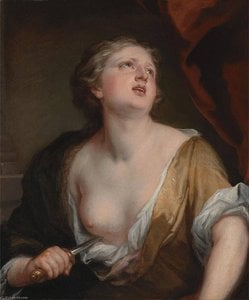
- Königliche Schirmherrschaft & künstlerische Entwicklung: Knellers Karriere florierte unter der Schirmherrschaft von Karl II. und Georg I., wodurch er Aufträge erhielt, die es ihm ermöglichten, seinen Stil zu verfeinern und ehrgeizige Projekte zu verfolgen. Er wurde Hofmaler beider Monarchen und schuf Porträts von Königen, Königinnen, Prinzen und Diplomaten – Werke, die seinen Ruf als einer der bedeutendsten Künstler Englands festigten. Seine akribische Liebe zum Detail und sein meisterhafter Einsatz des Chiaroscuro (das dramatische Zusammenspiel von Licht und Schatten) verkörpern die Pracht des Grand-Manner-Stils, der in seiner Ära vorherrschend war.
- Bedeutende Werke & Vermächtnis: Zu Knellers am meisten gefeierten Errungenschaften gehören Porträts von Karl II., Henry Purcell, Christopher Wren, Isaac Newton und Benjamin Franklin – jedes einzelne fängt die Subjekte mit bemerkenswerter Genauigkeit ein und vermittelt ihre Persönlichkeiten mit großer Sensibilität. Sein Einfluss erstreckte sich über die Porträtmalerei hinaus; er leitete jahrzehntelang die Royal Military School of Music in Twickenham, förderte künstlerische Talente und trug zur kulturellen Vitalität des georgianischen Londons bei.
- Ein bleibender Eindruck: Knellers akribische Technik und seine stilistischen Innovationen inspirieren Künstler bis heute. Er bleibt ein Symbol für künstlerische Exzellenz und verkörpert die dauerhafte Kraft der Porträtmalerei als Medium zur Dokumentation der Geschichte und zum Einfangen des Wesens des menschlichen Charakters. Seine Werke befinden sich in bedeutenden Museen weltweit und stellen sicher, dass sein Beitrag zur englischen Barockkunst über Generationen hinweg in Erinnerung bleiben wird.
Einflüsse & Künstlerischer Stil
Knellers künstlerische Vision wurde zutiefst von den Traditionen der flämischen und italienischen Barockmalerei geprägt – insbesondere von Rembrandt van Rijn und Caravaggio –, deren dramatischer Einsatz von Licht und Schatten einen Präzedenzfall für die Darstellung von Emotionen und psychologischer Komplexität schuf. Er pflegte den Grand-Manner-Stil, der durch monumentale Maßstäbe, idealisierte Figuren und sorgfältig orchestrierte Kompositionen gekennzeichnet ist, die darauf ausgelegt waren, Würde und Autorität zu vermitteln. Dieser stilistische Ansatz spiegelte die Bestrebungen der englischen Monarchie seiner Zeit wider und festigte Knellers Position als Wegbereiter künstlerischer Innovation.Die Kneller Hall & ihre Bedeutung
Das Haus, das Kneller in Whitton, nahe Twickenham, errichtete, wurde Mitte des 19. Jahrhunderts zur Kneller Hall – ein Zeugnis seines dauerhaften Einflusses auf die britische Gesellschaft und Kultur. Dieses herrschaftliche Anwesen diente als Heim für die Royal Military School of Music und symbolisierte Knellers Engagement für die künstlerische Ausbildung sowie die Förderung einer Tradition musikalischer Exzellenz. Die Halle selbst steht als architektonisches Wahrzeichen, das den Glanz des georgianischen Britanniens widerspiegelt und die Werte verkörpert, die Kneller vertrat: Disziplin, Raffinesse und intellektuelle Neugier.Weiterführende Erkundung
Für tiefere Einblicke in das Leben und Werk von Godfrey Kneller konsultieren Sie Ressourcen wie:- Wikipedia: https://en.wikipedia.org/wiki/Godfrey_Kneller
- Art UK: https://artuk.org/discover/artists/kneller-godfrey-16451723
- Tate: https://www.tate.org.uk/art/artists/sir-godfrey-kneller-310
Fragen & Antworten
Wo und wann wurde Godfrey Kneller geboren?
Godfrey Kneller wurde im Jahr 1646 in Lübeck geboren.
Kann ich die Werke von Godfrey Kneller nach Stimmung durchsuchen?
Auf der Stimmungswelten von Godfrey Kneller werden die Kunstwerke des Künstlers nach Stimmung sortiert präsentiert.
Aus welcher Epoche stammte Godfrey Kneller?
Godfrey Kneller war in der Epoche der – Frühe Neuzeit tätig. Diese Periode ordnet das künstlerische Schaffen historisch ein.