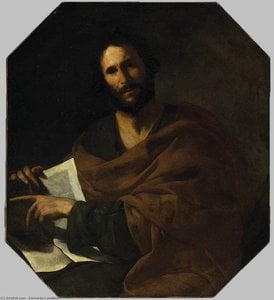
Bernardo Cavallino: Der Visionär des neapolitanischen Barock
Bernardo Cavallino bleibt eine der rätselhaftesten und fesselndsten Figuren in der Geschichte der italienischen Barockkunst. Geboren am 25. August 1616 in Neapel, entstieg er einer Stadt, die unter der Herrschaft der Habsburger vor künstlerischem Eifer nur so strotzte, doch sein Leben bleibt von demselben Mysterium umhüllt, das auch seine Leinwände umgibt. Während biografische Details frustrierend spärlich sind – was Wissenschaftler dazu zwingt, seinen Weg anhand von Indizien und Stilanalysen zu rekonstruieren – sprechen seine erhaltenen Werke mit einer unbestreitbaren Brillanz. Cavallino besaß ein einzigartiges Talent, dramatische Spannungen einzufangen und eine visuelle Sprache zu erschaffen, die sich sowohl zutiefst persönlich als auch von epischer Tiefe anfühlte. Sein Œuvre mag im Vergleich zu den produktiven Meistern seiner Ära bemerkenswert gering ausfallen, doch jeder Pinselstrich trägt ein Gewicht an Ausdruckskraft in sich, das ihn in den Annalen der Kunstgeschichte unvergänglich gemacht hat.
Die Fundamente von Cavallinos Meisterschaft wurden innerhalb der lebendigen neapolitanischen Schule gelegt, höchstwahrscheinlich unter der Anleitung von Massimo Stanzione. Diese Verbindung war entscheidend, da Stanzione ein Gigant religiöser Auftragsarbeiten war, bekannt für seinen monumentalen Einsatz des Chiaroscuro. Aus dieser Ausbildung erbte Cavallino ein tiefes Verständnis für das dramatische Zusammenspiel von Licht und Schatten – eine Technik, die zum Eckpfeiler seiner Identität werden sollte. Sein visueller Wortschatz wurde durch Verbindungen zu Künstlern wie Andrea Vaccaro weiter bereichert, was einen kollaborativen Geist förderte, der seine technische Bandbreite erweiterte. Die vielleicht transformativste Einwirkung war jedoch der Einfluss von Anthony van Dyck. Indem er die Eleganz und die anspruchsvolle Porträtkunst des flämischen Meisters in sich aufnahm, führte Cavallino eine verfeinerte, fast lyrische Ästhetik in die raue neapolitanische Tradition ein und schuf so eine einzigartige Synthese der Stile.
Eine Synthese aus Licht und Emotion
Was Cavallino von seinen Zeitgenossen unterscheidet, ist seine Fähigkeit, zwei scheinbar gegensätzliche Welten zu überbrücken: den rauen, schattendurchtränkten Tenebrismus Caravaggios und den heiteren, leuchtenden Idealismus, wie er in den Werken Murillos zu finden ist. Diese stilistische Alchemie erlaubte es ihm, Szenen tiefer spiritueller Ekstase und qualvoller menschlicher Leiden mit gleicher Anmut darzustellen. Seine Technik war niemals bloße Nachahmung; es ging ihr um emotionale Resonanz. In seinen Händen beleuchtet das Licht eine Szene nicht nur – es heiligt sie oder legt die nackte Verletzlichkeit seiner Motive offen.
Diese Meisterschaft zeigt sich vielleicht am deutlichsten in seinen gefeierten biblischen und hagiografischen Kompositionen:
- Die Heilung des Tobias: Zwischen 1640 und 1644 gemalt, dient dieses Werk als strahlendes Beispiel für seine Fähigkeit, akribische Details und meisterhaftes Licht einzusetzen, um heiligen Erzählungen Leben einzuhauchen.
- Lot und seine Töchter: In diesem Meisterwerk von 1644 präsentiert Cavallino eine eindringlich desolate Landschaft und nutzt die Kargheit der Höhlenumgebung, um das psychologische Gewicht der biblischen Geschichte zu betonen.
- Das Martyrium des Heiligen Stephanus: Hier erreicht der Künstler den Höhepunkt des barocken Dramas, indem er intensive Schatten mit einem Gefühl göttlicher Präsenz verschmilzt, um die Schnittstelle von Glauben und sterblicher Qual zu erkunden.
Vermächtnis und historische Bedeutung
Obwohl sein Leben 1656 jäh endete – ein Jahr, das in Neapel von Tragödien gezeichnet war –, hinterließ Cavallino ein Erbe, das Kunsthistoriker bis heute fasziniert. Er folgte nicht einfach den Trends des neapolitanischen Barocks; er verfeinerte sie und injizierte eine Sinnlichkeit und poetische Eleganz in ein Genre, das oft durch Grandiosität charakterisiert war. Seine Fähigkeit, die schweren Schatten der caravaggesken Tradition mit einer zarten, fast ätherischen Lichtquelle auszubalancieren, schuf eine Brücke zwischen dem intensiven Realismus des frühen 17. Jahrhunderts und den dekorativeren, emotionaleren Stilen, die darauf folgten.
Heute wird Cavallino als ein Künstler von tiefem Einfühlungsvermögen in Erinnerung behalten. Seine Werke, die in angesehenen Institutionen wie dem Museo del Prado in Madrid untergebracht sind, dienen als Fenster in eine Zeit intensiven spirituellen und künstlerischen Übergangs. Er bleibt ein Meister des „kleinformigen“ Meisterwerks und beweist, dass ein Künstler selbst innerhalb eines begrenzten Werkes die unendlichen Komplexitäten der menschlichen Seele durch die sorgfältige Manipulation von Licht, Schatten und Gnade einfangen kann.
Fragen & Antworten
Gibt es eine vollständige Liste der Kunstwerke von Bernardo Cavallino?
Alle Werke von Bernardo Cavallino auf diese Webseite können auf der Alle Kunstwerke-Seite des Künstlers durchstöbert werden.
Wo kann ich die Kunstwerke von Bernardo Cavallino in einer virtuellen 3D-Galerie erleben?
Ein virtueller Besuch ist möglich: Die Seite Virtuelle 3D-Galerie von Bernardo Cavallino präsentiert die Werke des Künstlers in einer dreidimensionalen Galerie.
Wie finde ich Werke von Bernardo Cavallino zu einem bestimmten Thema?
Um Werke von Bernardo Cavallino zu einem bestimmten Thema zu finden, nutzen Sie die Nach Schlagworten-Seite des Künstlers, auf der die Kunstwerke nach Schlagworten gruppiert sind.