

Giclée- oder Leinwanddruck in Museumsqualität mit schneller Produktion und flexiblen Veredelungsoptionen. ( Handgemalte Reproduktion bestellen Zum digitalen Bild wechseln)





























Wählen Sie aus unseren vordefinierten Formaten, die den ursprünglichen Proportionen des Kunstwerks entsprechen.

Geben Sie die benötigte Breite und Höhe an, damit der Druck perfekt in Ihren Rahmen oder an Ihre Wand passt. Ein Druck kann nur beschnitten, aber niemals größer als das Originalbild angefertigt werden; daher verliert ein Format mit anderen Proportionen einen Teil des Bildes. Wir senden Ihnen ein digitales Mockup zur Freigabe, bevor wir den Druck ausführen. Das auf dieser Seite gezeigte Bild zeigt nicht den tatsächlichen Beschnitt – dies ist nur im Mockup ersichtlich.
Weltweiter Versand () innerhalb von 2 Wochen statt der üblichen 4/5 Wochen. (10 November)
Wilson Lowry
Format der Reproduktion
William Blake's monochrome engraving portrait of Wilson Lowry is more than just a likeness; it’s a profound meditation on observation, skill, and the very nature of representation. Created around 1825, this work, often referred to as “after John Linnell,” reveals a masterful synthesis of classical portraiture with Blake’s uniquely visionary approach to printmaking. The image depicts Lowry in profile, a dignified figure rendered entirely through meticulously crafted lines – a testament to the engraver's craft and Blake’s ability to imbue even a formal depiction with an underlying sense of mystery and emotional depth.
The piece immediately draws the eye to the remarkable texture achieved solely through line. Blake eschews shading in the traditional sense, instead building up tones and contours by varying the density of his lines. Thicker lines define areas of shadow and form, while thinner lines create highlights and suggest the delicate play of light on the subject’s face and clothing. This technique, reminiscent of a finely etched drawing, generates an astonishingly realistic surface – one that invites close inspection and reveals the intricate labor involved in its creation. It's a deliberate rejection of the smooth surfaces favored by some contemporary engravers, prioritizing instead the expressive potential of line itself.
To fully appreciate ‘Wilson Lowry,’ it’s crucial to understand the context of engraving during Blake’s time. While considered a traditional craft, engraving was undergoing significant innovation. Blake wasn't simply replicating existing images; he was experimenting with new techniques – particularly the use of corrosive solutions for biting lines into steel plates. This allowed for greater precision and control than previously possible, opening up entirely new possibilities for line work and texture. Blake’s collaboration with John Linnell, a skilled engraver himself, further enriched this process, resulting in a harmonious blend of technical expertise and artistic vision.
The portrait itself reflects the prevailing aesthetic sensibilities of the early 19th century – a return to classical ideals of beauty and proportion. However, Blake infuses this formality with his characteristic Romantic intensity. The subject’s gaze is direct and unwavering, conveying a sense of quiet dignity and perhaps even melancholy. This isn't merely a representation of a man; it’s an attempt to capture something deeper – the essence of his character and the weight of his existence.
While ‘Wilson Lowry’ appears outwardly straightforward, closer examination reveals subtle symbolic elements. The stark monochrome palette emphasizes the subject's face and form, stripping away extraneous details to focus on the core of his identity. The careful rendering of Lowry’s clothing – particularly the folds and textures – suggests a respect for material and craftsmanship, mirroring Blake’s own dedication to his art. Furthermore, the portrait can be interpreted as an exploration of the relationship between observation and representation—how accurately can one capture reality through the limitations of line and engraving?
Blake's work frequently delved into themes of spirituality, morality, and the human condition. Although ‘Wilson Lowry’ lacks overt symbolic imagery, it embodies Blake’s broader artistic concerns – a fascination with the power of imagination, the beauty of nature, and the complexities of human experience. It stands as a powerful example of how even a seemingly simple portrait can be imbued with profound meaning through skillful execution and artistic vision.
WahooArt offers meticulously hand-painted reproductions of William Blake’s ‘Wilson Lowry,’ capturing the essence of this remarkable engraving with unparalleled detail and fidelity. Each reproduction is created by skilled artists who understand the nuances of Blake's technique, ensuring that you receive a piece that truly honors the original. Whether displayed in a formal study or a contemporary living space, this artwork will serve as a captivating focal point – a testament to the enduring legacy of William Blake and his profound impact on the history of art.
Die Farbharmonie von „Wilson Lowry“ wird als Harmonische Farbpalette beschrieben.
Um eine Vorschau einer Reproduktion von "Wilson Lowry" von William Blake zu erhalten, öffnen Sie die Vorschau im Raum-Seite des Kunstwerks.
Was das Urheberrecht betrifft, so ist "Wilson Lowry" gemeinfrei – das Urheberrecht ist abgelaufen.

William Blake wurde am 28. November 1757 in London, England, geboren. Er wuchs in einem Haushalt auf, der sich über dem Tuchladen seines Vaters in der Broad Street 28 befand. Seine Eltern, James Blake und Catherine Wright Armitage Blake, schufen ein stabiles Umfeld in einer Zeit des tiefgreifenden sozialen Wandels in der Stadt. Während seine Erziehung durch die bescheidenen Mittel einer Handwerkerfamilie geprägt war, zeichneten sich seine frühen Jahre durch eine außergewöhnliche, intensive Vorstellungskraft aus, die sich oft in Visionen äußerte – so sah er beispielsweise bei Spaziergängen in seiner Kindheit Engel in den Zweigen eines Baumes.
Die formale Ausbildung begann im Alter von zehn Jahren, als er die Zeichenschule von Henry Pars besuchte. Diese frühe Unterweisung legte das technische Fundament für eine Karriere, die sich schließlich weit über das einfache Skizzieren hinaus развиваться sollte. Mit 14 Jahren führte ihn die Notwendigkeit praktischer Arbeit in eine siebenjährige Lehre bei dem Kupferstecher James Basire. Diese Zeit war entscheidend für seine Entwicklung, da sie ihn mit der präzisen Mechanik der Druckgrafik sowie den physischen Eigenschaften von Metall und Säure vertraut machte.
Während seiner Lehrzeit verbrachte Blake viel Zeit damit, die Grabmäler in der Westminster Abbey zu skizzieren. Die gotische Architektur und der verwitterte Stein dieser Monumente hinterließen einen bleibenden Eindruck in seinem ästhetischen Empfinden. Diese Studien ermöglichten es ihm, die Formen der Vergangenheit zu verinnerlichen, die er später durch seine ganz eigene, einzigartige Linse neu interpretieren sollte. Seine Ausbildung war dabei nicht bloß das Erlernen eines Handwerks, sondern ein tiefes Eintauchen in die visuelle Sprache von Geschichte und Struktur.
Blakes kreativer Prozess war geprägt von dem rastlosen Verlangen, das geschriebene Wort mit dem visuellen Bild zu verschmelzen. Er sprengte die Grenzen der damals üblichen kommerziellen Stiche und entwickelte eine einzigartige Methode der Reliefätzung für seine illuminierten Bücher. Diese Technik beinhaltete das Auftragen eines säurebeständigen Lackes auf Kupferplatten, was es ihm ermöglichte, sowohl Text als auch Illustration in einer einzigen, integrierten Form zu ätzen. Diese Methode war nicht bloß eine technische Entscheidung, sondern eine spirituelle; er behauptete, der Prozess sei ihm durch eine visionäre Erfahrung nach dem Tod seines Bruders Robert offenbart worden. Gemeinsam mit seiner Frau Catherine, die ihn beim Druck und der Kolorierung unterstützte, steuerte er die gesamte Produktion – von der ersten Ätzung bis zum abschließenden Zusammennähen der Bücher.
Seine Ästhetik war ein bewusster Bruch mit den starren Regeln seiner Zeitgenossen. Er lehnte die traditionelle Verwendung der linearen Perspektive, die darauf abzielte, die physische Welt nachzuahmen, zugunsten einer emotionaleren und symbolischeren Darstellung des Raumes ab. Diese Flächigkeit des visuellen Feldes erlaubte es ihm, die interne Logik seiner Visionen über die Zwänge des Naturalismus zu stellen. Um diese Visionen zum Leben zu erwecken, griff er häufig zu Aquarell- und Temperafarben und trug die Farben von Hand auf die Druckbögen auf, um eine ganz eigene, persönliche Textur zu schaffen. Sein Werk war ein Schaffen von Hand und Geist zugleich, oft entstanden in der Stille seines Londoner Heims.
Das frühe Schaffen seiner Karriere nahm mit der Veröffentlichung von Poetical Sketches im Jahr 1783 seinen Anfang. Auf diese erste Sammlung von Versen folgten seine weithin anerkannten lyrischen Meisterleistungen: Songs of Innocence im Jahr 1789 und Songs of Experience im Jahr 1794. Diese Werke etablierten eine wiederkehrende Spannung in seinem Schreiben, indem sie den Kontrast zwischen dem unschuldigen Zustand der Kindheit und der Korruption der erwachsenen Realität erforschten. Zwischen 1790 und 1793 schuf er The Marriage of Heaven and Hell, ein provokantes Werk, das durch Prosa und Vers etablierte moralische und religiöse Dogmen herausforderte.
Sein Auseinandersetzung mit den politischen Unruhen seiner Ära fand ihren Ausdruck in seinen prophetischen Büchern. Er schuf America, a Prophecy im Jahr 1793 und Europe, a Prophecy im Jahr 1794 – Werke, die den revolutionären Geist der Zeit widerspiegelten. Diese Publikationen waren nicht bloße Texte, sondern integrierte Visionen, in denen das geätzte Bild und das geschriebene Wort als eine einzige Einheit fungierten. Seine späteren Jahre waren geprägt von expansiven, komplexen Projekten, die jahrelange, unermüdliche Anstrengung erforderten.
Die späten Phasen seines Lebens sahen die Entwicklung gewaltiger, kunstvoller Zyklen. Er arbeitete zwischen 1804 und 1808 an der Milton-Serie, und sein letztes großes Unterfangen, Jerusalem, beschäftigte ihn von 1804 bis 1820. Diese Werke stellen den Höhepunkt seines lebenslangen Versuchs dar, eine private Mythologie zu erschaffen – eine, die danach strebte, den menschlichen Geist durch eine zutiefst persönliche Symbolsprache mit dem Göttlichen zu versöhnen.
Die finanzielle Realität in dem Leben von William Blake war oft ein mühsamer Kampf um Stabilität. Während eines Großteils seiner Schaffenszeit verdiente er seinen Lebensunterhalt als Gesellen im Kupferstich und nahm kommerzielle Aufträge an, um sich über Wasser zu halten. Um das Jahr 1784 versuchte er, ein festeres berufliches Fundament zu schaffen, indem er gemeinsam mit James Parker, einem Freund und ehemaligen Mitgesellen, eine Druckerei eröffnete. Dieses Wagnis jedoch brachte nicht die dauerhafte Sicherheit, die er so dringend benötigte. Stattdessen hing sein Überleben häufig von der beständigen Unterstützung einiger weniger hingebungsvoller Mäzene ab, allen voran Thomas Butts, dessen Patronage dem Künstler eine lebenswichtige Verbindung zu seinen zutiefst persönlichen künstlerischen Bestrebungen ermöglichte.
Seine berufliche Geografie verschob sich mit seinen sich ändernden Lebensumständen. Zwischen 1800 und 1803 zog William Blake in die Küstenstadt Felpham. In dieser Zeit lebte und arbeitete er unter der Schirmherrschaft von William Hayley. Diese Zeit in Felpham bot ihm eine vorübergehende Atempause vom urbanen Druck Londons und erlaubte es ihm, sich auf seine komplexen Werkzyklen zu konzentrieren. Selbst während er sich den Anforderungen verschiedener Auftragsarbeiten stellen musste, blieb sein Schaffen eng mit den spezifischen Bedürfnissen derer verbunden, die seine Vision unterstützten; oft jonglierte er dabei zwischen den praktischen Anforderungen des Gravierens für andere und der privaten, hingebungsvollen Arbeit an seinem eigenen, illuminierten Druck.
Während seiner Lebenszeit stieß Blakes Vision oft auf Unverständnis; sein Werk wurde häufig als das Produkt eines exzentrischen oder instabilen Geistes abgetan. Er führte ein Leben in relativer Bedeutungslosigkeit und kämpfte oft um seine finanzielle Existenz, während er als Kupferstecher arbeitete. Doch gerade jene Qualitäten, die ihn im frühen neunzehnten Jahrhundert an den Rand der Gesellschaft drängten, sicherten ihm letztlich seinen Platz als Schlüsselfigur der Romantik. Sein unerschütterliches Festhalten an der Vorrangstellung der Vorstellungskraft gegenüber den Fesseln der reinen Vernunft lieferte die Blaupause für all jene, die später versuchten, aus den traditionellen akademischen Strukturen auszubrechen.
Die Wirkung seines einzigartigen Stils strahlte schließlich weit über seinen unmittelbaren Kreis hinaus. Die Präraffaeliten empfanden ihn als einen verwandten Geist und fanden in seiner Ablehnung neoklassizistischer Konventionen eine tiefe Verbundenheit. Im Laufe der Jahrzehnte zog sein Einfluss durch den Symbolismus und die Moderne und fand Resonanz in deren gemeinsamem Interesse an subjektiver Erfahrung und spiritueller Tiefe. William Blake illustrierte nicht bloß Gedichte; er erschuf eine private Mythologie, die bis heute eine unerschöpfliche Inspirationsquelle für Dichter, Maler und Denker über verschiedenste Disziplinen hinweg darstellt.
Die physischen Überreste von William Blakes Visionen sind über mehrere bedeutende Institutionen verteilt, was die weltweite Reichweite seines Einflusses widerspiegelt. In London bewahrt die Tate Gallery sechs seiner Werke auf, darunter die bedeutende Darstellung von Isaac Newton aus dem Jahr 1795. Diese Sammlung bietet einen tiefgreifenden Einblick in die technische Präzision, die er seinen Radierungen verlieh, und in die Art und Weise, wie er komplexe spirituelle Konzepte in visuelle Formen übersetzte.
Über den Atlantik hinweg ist seine Präsenz in mehreren prominenten amerikanischen Sammlungen spürbar. Das Yale Center for British Art in New Haven beherbergt vier Werke, wie etwa den Druck von Los Entering the Grave aus dem Jahr 1804. Unterdessen besitzt auch das Museum of Fine Arts in Boston vier Stücke, darunter seine Studie von Adam and Eve Sleeping aus dem Jahr 1808. Diese Bestände ermöglichen eine vergleichende Untersuchung seiner Entwicklung von einem kommerziellen Kupferstecher hin zu einem Schöpfer unabhängiger, illuminierter Bände.
Sein Einfluss reicht sogar bis auf die Südhalbkugel. Die National Gallery of Victoria in Melbourne enthält ein Werk, ein 1827 entstandenes Stück mit dem Titel Antaeus setting down Dante and Virgil in the last circle of hell. Diese einzelne Präsenz in Australien unterstreicht das anhaltende internationale Interesse an seiner eigentümlichen, zutiefst persönlichen Mythologie.

1757 - 1827 , Vereinigtes Königreich
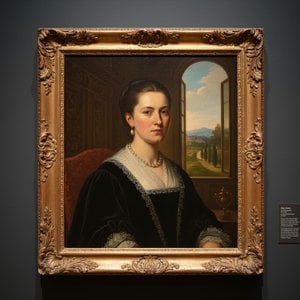
Explore the profound legacy of classical portraiture. From the dramatic chiaroscuro of the Old Masters to exquisite hand-painted oil reproductions, discover how timeless elegance and masterful technique continue to inspire collectors and art enthusiasts worldwide.

Erfahren Sie alles über die Meisterschaft des Kupferstichs und der Radierung. Entdecken Sie die Tiefe der klassischen Tiefdruckkunst.
 Vorschau anzeigen
 Versenden
 Teilen
 Details anzeigen
 Leitfaden

 Herunterladen
 Ähnliche Objekte
 Röntgenaufnahme
 Diashow
 Fragen & Antworten
 Statistiken

 Weiterlesen









 Die Glasoption ist nur für Größen unter 110 cm verfügbar.


