In echtem Maßstab anzeigen In AR an der Wand sehen Handgemalte Reproduktion kaufen Zum digitalen Bild wechseln Versenden als Grußkarte
Details anzeigen Zu Favoriten hinzufügen Herunterladen Ähnliche Objekte Röntgenaufnahme Diashow Besucherstatistiken

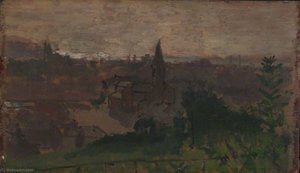
The Miner

Experience Walter Richard Sickert’s ‘The Miner,’ a raw & emotive oil painting capturing intense intimacy. Explore this Symbolist work's textured impasto and shallow perspective – a captivating glimpse into early 20th-century London.

Entdecken Sie Walter Richard Sickert (1860-1942), den deutschen Maler, der die britische Kunstszene prägte! Seine Werke zeigen Londoner Musicalszenen & Porträts.

Giclée / Kunstdruck

Giclée- oder Leinwanddruck in Museumsqualität mit schneller Produktion und flexiblen Veredelungsoptionen. ( Handgemalte Reproduktion kaufen Zum digitalen Bild wechseln)

P118B $10
P118H $10
P118W $10
P438Z $10
P508JH $12
P508YH $12
P805H $10
P805Z $10
P919BZ $10
P919G $10
P919XJ $10
P959ZH $10
P968JZ $12
W106C $8
W218G $10
W218JH $8
W218Y $10
W307PJ $10
W316G $10
W316PJ $8
W316Y $10
W398PJ $8
W4111J $10
W500HY $15
W500JH $15
W692G $12
W849H $8
W940BG $15
W953PJ $8

Standardformat
individuell anpassbar
CM
INCH

Wählen Sie aus unseren vordefinierten Formaten, die den ursprünglichen Proportionen des Kunstwerks entsprechen.

Breite
Höhe

Sie können Ihre eigenen Maße eingeben, um ein bestimmtes Format oder einen speziellen Platz einzupassen. Wenn das von Ihnen gewählte Format nicht den Proportionen des Originalbildes entspricht, werden wir das Kunstwerk entweder beschneiden oder das Bild mit einem gespiegelten oder einfarbigen Rand erweitern. Ein digitaler Entwurf wird Ihnen zur Genehmigung zugesandt, bevor die Produktion beginnt.
Bitte beachten Sie, dass die Vorschau auf dem Bildschirm nicht den tatsächlichen Zuschnitt oder die Erweiterung widerspiegelt. Nur der Entwurf zeigt die endgültige Komposition präzise an.
Obwohl Sondermaße verfügbar sind, empfehlen wir die Auswahl eines Maßes aus der vordefinierten Liste, um die ursprünglichen Proportionen zu bewahren.

Weltweiter Versand () innerhalb von 2 Wochen statt der üblichen 4/5 Wochen. (16 September)

why_choose_icon
Kostenloser weltweiter Expressversand
why_choose_icon
Hochwertige Leinenleinwand
why_choose_icon
Vollständiger Versicherungsschutz beim Versand
why_choose_icon
Zollgebühren-Rückerstattungsgarantie
why_choose_icon
Garantie für exakte Farbtreue
why_choose_icon
100-tägiges Rückgaberecht (nur bei Mängeln)
why_choose_icon
100% Geld-zurück-Garantie
why_choose_icon
Angebot für Mengenrabatt

Gesamtpreis

$ 68

reproduction

The Miner

Giclée / Kunstdruck

Format der Reproduktion

-

Gesamtpreis

$ 68

Kurzübersicht

  • Artist: Walter Richard Sickert
  • Movement: Symbolism
  • Location: Birmingham Museums Trust
  • Artistic style: Romanticism/Symbolism
  • Subject or theme: Mining, intimacy, labor
  • Year: 1935-36
  • Title: The Miner

Kunst-Quiz

Jede Frage hat nur eine richtige Antwort.

Frage 1:
What artistic movement is most closely associated with Walter Richard Sickert’s ‘The Miner’?
Frage 2:
What is a prominent technique used in 'The Miner' that contributes to its emotional intensity?
Frage 3:
According to the provided text, what is a key theme explored in ‘The Miner’?
Frage 4:
In what year was ‘The Miner’ painted?
Frage 5:
What does the shallow perspective in ‘The Miner’ primarily achieve?

A Glimpse into the Heart of Labor: Walter Richard Sickert’s “The Miner”

Walter Richard Sickert's "The Miner," painted in 1935-36, isn’t merely a depiction of a working man; it’s an intimate excavation of human experience. This oil painting, currently residing within the Birmingham Museums Trust collection, offers a profoundly unsettling and ultimately poignant meditation on isolation, hardship, and the enduring search for connection. Sickert, a figure perpetually navigating the boundaries between artistic tradition and modernism – born in Munich but firmly rooted in London’s vibrant art scene – masterfully captures the psychological weight of a life spent toiling beneath the earth.

The composition immediately draws the viewer into a claustrophobic space. Two figures, rendered with a deliberate lack of idealization, are locked in an intense embrace. The man, his face partially obscured by a dark cap and the rough texture of his clothing, leans forward with a palpable urgency. His body is taut, suggesting both vulnerability and a desperate need for solace. The woman, her hair cascading down her back, offers a yielding presence – not necessarily one of passive acceptance, but rather a quiet resilience in the face of an unforgiving world. Sickert’s brushwork is remarkably tactile; thick impasto layers create a sense of physicality, almost as if you could reach out and feel the grit of the mine dust clinging to their skin.

The Shadowy World of Camden Town: Context and Style

To understand “The Miner,” it’s crucial to situate it within Sickert's broader artistic practice. He was a key figure in the Camden Town Group, a collective of artists who rejected the academic traditions of the Royal Academy and embraced a more gritty, urban realism. This group, centered around the bohemian district of Camden Town in London, sought to depict the lives of ordinary people – particularly those on the fringes of society – with unflinching honesty. Sickert’s work often explored themes of sexuality, poverty, and the darker aspects of human nature, frequently drawing inspiration from music halls, pubs, and the city's underbelly.

The painting’s style aligns closely with Symbolism and early Modernism. Sickert deliberately eschewed photographic realism, prioritizing emotional impact over precise representation. The muted color palette – dominated by browns, grays, and blacks – reinforces the somber mood of the scene. Notice how he uses light to sculpt form, creating a dramatic chiaroscuro effect that emphasizes the figures’ faces and bodies while plunging the background into darkness. This technique not only adds depth but also contributes to the painting's overall sense of mystery and unease.

Decoding the Symbolism: More Than Just a Miner

“The Miner” is rich in symbolic meaning, extending far beyond its literal subject matter. The mine itself represents a metaphorical descent into darkness – both physical and psychological. It’s a place of isolation, hardship, and relentless labor, mirroring the protagonist's emotional state following his personal loss. The embrace between the figures can be interpreted as an attempt to bridge this gap, offering a fleeting moment of connection amidst the overwhelming sense of despair. The woman’s partially obscured face suggests a vulnerability that contrasts with the man’s apparent strength, hinting at a complex power dynamic.

Furthermore, Sickert's choice of subject – a working-class couple – was deliberately provocative for its time. He wasn’t interested in romanticizing labor; instead, he presented it as a brutal reality, stripped of any sentimental gloss. The painting subtly challenges societal norms and exposes the human cost of industrialization. The flower glimpsed in the background, visible only briefly, could symbolize hope or beauty amidst the darkness – a reminder that even in the most difficult circumstances, moments of grace can still be found.

A Timeless Exploration of Human Connection

“The Miner” is not simply a portrait; it’s a profound exploration of human connection, isolation, and the enduring search for meaning. Sickert's masterful use of light, color, and brushwork creates an intensely emotional experience, inviting viewers to contemplate the complexities of the human condition. It remains a powerful testament to his unique artistic vision and a haunting reminder of the lives lived in the shadows of modern society. Reproductions capture much of this evocative power, offering a window into a world both familiar and profoundly unsettling.


Biografie des Künstlers

Frühes Leben und Ausbildung

Walter Richard Sickert, ein deutschamerikanischer britischer Maler, wurde am 31. Mai 1860 in München, Königreich Bayern, geboren. Seine Familie ließ sich 1868 in England nieder, nachdem das Herzogtum Schleswig-Holstein von Deutschland annektiert worden war. Sickerts frühe Ausbildung fand an der University College School und der King’s College School statt, wo er bis zum 18. Lebensjahr studierte.

Künstlerische Entwicklung

Sickerts künstlerischer Weg begann mit einer kurzen Tätigkeit als Schauspieler, gefolgt von seiner Einschreibung an der Slade School im Jahr 1881. Später wurde er Schüler von James Abbott McNeill Whistler, der seine Arbeit maßgeblich beeinflusste. Sickerts früheste Gemälde waren kleine tonalistische Studien, die nach Whistlers Vorbild „alla prima“ aus der Natur gemalt wurden.

Bemerkenswerte Werke und Kontroversen

Sickerts erste größere Werke, die in den späten 1880er Jahren entstanden, stellten Szenen aus Londoner Musikhall-Lokalen dar. Eines seiner bemerkenswertesten Gemälde, Katie Lawrence at Gatti’s, löste Kontroversen aus, da es eine bekannte Musikhall-Sängerin darstellte, die von Kritikern als „hässlich und vulgär“ bezeichnet wurde.

Zusammenarbeit mit der Camden Town Group

Sickert war ein wichtiger Einfluss auf distinctiv britische Stile der Avantgarde-Kunst im 20. Jahrhundert. Er trat 1888 der New English Art Club bei, einer Gruppe von französisch beeinflussten realistischen Künstlern, und wurde später Mitglied der Camden Town Group.

Vermächtnis

Sickerts Werk ist in verschiedenen Museen zu finden, darunter das Museum Kunstsalon Franke Schenk, das Werke aus dem 16. bis zum 20. Jahrhundert zeigt. Sein Vermächtnis geht über seine eigene Kunst hinaus und beeinflusst britische Stile der Avantgarde-Kunst in der Mitte und im späten 20. Jahrhundert. Wichtige Daten:
  • 31. Mai 1860: Geburt in München, Königreich Bayern
  • 1888: Beitritt zum New English Art Club
  • 1903-04: Entwicklung eines unverwechselbaren Ansatzes für mehrfigurige Tableaus während seiner letzten Malreise nach Venedig

Schlussfolgerung

Walter Richard Sickerts bahnbrechende Arbeit in der britischen Avantgarde-Kunst hat ihre Spuren in der Kunstwelt hinterlassen. Sein Vermächtnis inspiriert und beeinflusst weiterhin Künstler, was ihn zu einer entscheidenden Figur in der Geschichte der modernen Kunst macht.
Walter Richard Sickert

Walter Richard Sickert

1860 - 1942 , Deutschland

Eckdaten zum Künstler

  • Beeinflusste Künstler: ['James Abbott McNeill Whistler']
  • Bemerkenswerte Werke:
    • Katie Lawrence at Gatti’s
    • Gaieté Montparnasse
  • Geburtsdatum: 31. Mai 1860
  • Geburtsort: München, Deutschland
  • Künstlerische Richtung: Postimpressionismus
  • Nationalität: Deutsch-Britisch
  • Sterbedatum: 22. Januar 1942
  • Vollständiger Name: Walter Richard Sickert
  • Von Künstlern Beeinflusst: ['Degas']
Entdecken Sie Kunstwerke, die nach Themen, Stilen und Merkmalen sortiert sind.