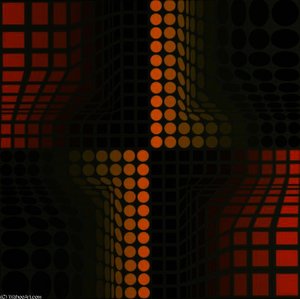
Handgemaltes Ölgemälde auf Leinwand in Ihrer Wunschgröße und mit Rahmen, auf Bestellung von unseren Künstlern angefertigt. ( Druck bestellen Bild kaufen)





























Wählen Sie aus unseren vordefinierten Formaten, die den ursprünglichen Proportionen des Kunstwerks entsprechen.

Sie können Ihre eigenen Maße eingeben, um einen bestimmten Rahmen oder Platz auszufüllen. Wenn die gewählte Größe nicht den Proportionen des Originalbildes entspricht, werden wir das Kunstwerk entweder beschneiden oder das Gemälde durch zusätzliche, handgemalte Elemente erweitern. Ein digitales Mockup wird Ihnen zur Genehmigung zugesandt, bevor die Produktion beginnt.
Bitte beachten Sie, dass die Bildschirmvorschau nicht die tatsächliche Beschneidung oder Erweiterung widerspiegelt. Nur das Mockup zeigt die endgültige Komposition exakt an.
Obwohl Sondermaße verfügbar sind, empfehlen wir, eine Größe aus der vordefinierten Liste zu wählen, um die ursprünglichen Proportionen beizubehalten.
Weltweiter Versand () in nur 3 bis 4 Wochen statt der üblichen 5 Wochen. (7 September). Keine Kompromisse bei der Qualität.


OND-II-VA
Format der Reproduktion
Victor Vasarely’s “O N D - I I - V A” is more than just a painting; it's an invitation to experience the world through a radically altered lens. Created in the heart of the Op Art movement, this piece, executed with meticulous skill in oil media, embodies the core principles of optical illusion and dynamic visual vibration that defined Vasarely’s groundbreaking work. The swirling, interconnected spirals dominate the canvas, drawing the viewer into a mesmerizing dance of color and form – a testament to the artist's profound understanding of how our eyes perceive depth and movement.
Vasarely’s approach stemmed from a deep engagement with geometric abstraction and the principles of functional design, heavily influenced by his time at the Bauhaus-inspired Műhely workshop. He wasn't simply depicting an image; he was constructing an experience – one that actively engages the viewer’s eye and mind. The intricate network of spirals suggests a controlled chaos, a deliberate disruption of conventional spatial understanding. This piece resonates with similar works like “Rhombus-B” and “Tridim-Cis,” showcasing Vasarely's consistent exploration of spiral patterns within the Op Art framework.
"O N D - I I - V A" emerged during a period of significant artistic experimentation in the 1960s, mirroring the broader cultural shifts towards technological advancement and a fascination with the subconscious. The Op Art movement itself was a direct response to the increasing prevalence of mass-produced imagery and the desire to create art that actively engaged the viewer’s senses. Vasarely's work anticipated developments in fields like computer graphics and kinetic art, demonstrating a prescient understanding of how visual information would be processed in the future.
Vasarely’s technical mastery is evident in the precise execution of the spiral composition. The smaller spirals are not merely decorative; they contribute to a complex interplay of visual cues that create a powerful sense of depth and movement. The use of oil media allows for subtle variations in tone and texture, enhancing the three-dimensional effect and contributing to the overall dynamism of the artwork. It’s a technique shared with other pioneers like Getulio Alviani, who similarly pushed the boundaries of artistic expression through innovative material experimentation.
The spiral motif in “O N D - I I - V A” transcends mere aesthetic appeal; it’s a potent symbol representing growth, evolution, and the cyclical nature of time. Within the context of Op Art, spirals are not simply decorative elements but carefully constructed visual puzzles designed to challenge our perceptions of space and form. The interconnectedness of the spirals suggests a complex system of relationships – mirroring the intricate workings of the human mind.
Emotional Impact: The artwork evokes feelings of wonder, curiosity, and perhaps even slight disorientation—a deliberate effect intended to stimulate the viewer’s senses and provoke contemplation on the nature of perception itself.“O N D - I I - V A” by Victor Vasarely represents a pivotal moment in art history, solidifying his place as one of the foremost figures of Op Art. Its enduring appeal lies not only in its striking visual impact but also in its intellectual rigor – a testament to Vasarely’s profound understanding of human perception. Owning a hand-painted reproduction of this iconic artwork is an investment in both artistic heritage and a unique piece of visual storytelling.
Victor Vasarely (geboren Károly Vaszary) war eine zentrale Figur in der Entwicklung der Op Art und kinetischen Kunst. Seine Arbeit versuchte, die traditionelle Malerei zu überwinden, indem er optische Illusionen erforschte und dynamische visuelle Erfahrungen schuf. Geboren in Pécs, damals Teil Österreich-Ungarns (heute Kroatien), umfassten seine frühen Jahre ein Medizinstudium an der Eötvös Loránd Universität in Budapest, bevor er sich ganz der Kunst widmete.
Vasarelys Beitrag zur Kunstgeschichte ist vielschichtig. Er ging über traditionelle Maltechniken hinaus, um Werke zu schaffen, die die Wahrnehmung des Betrachters aktiv einbeziehen. Sein systematischer Ansatz forderte konventionelle Vorstellungen künstlerischer Kreativität heraus und ebnete den Weg für computergenerierte Kunst und digitales Design. Indem er Reproduzierbarkeit und kommerzielle Anwendungen annahm, verschwamm Vasarely die Grenzen zwischen bildender Kunst und Populärkultur und hinterließ einen bleibenden Eindruck in beiden Bereichen.

1906 - 1997 , Kroatien
Explore the mesmerizing world of Victor Vasarely. Discover how his Bauhaus-inspired Op Art masters the science of perception through geometric abstraction and vibrant color. A sophisticated guide for discerning art collectors seeking to understand the legacy of optical illusion.

Discover the profound allure of oil on canvas. Explore the mastery of impasto textures, the science of pigment longevity, and expert guides to selecting museum-quality reproductions that elevate your collection with timeless elegance and tactile depth.

Embark on a visual journey through the mesmerizing world of Op Art. Discover the masters of optical illusion, explore geometric abstraction, and learn how to curate high-impact kinetic works for your private collection with expert guidance from art professionals.

 Vorschau anzeigen
 Versenden
 Teilen
 Details anzeigen

 Herunterladen
 Ähnliche Objekte
 Röntgenaufnahme
 Diashow

 Weiterlesen







 Die Glasoption ist nur für Größen unter 110 cm verfügbar.