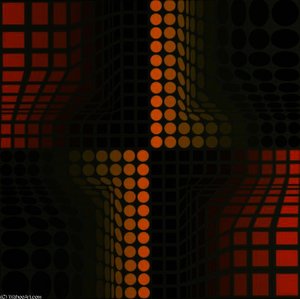
Handgemaltes Ölgemälde auf Leinwand in Ihrer Wunschgröße und mit Rahmen, auf Bestellung von unseren Künstlern angefertigt. ( Druck bestellen Bild kaufen)





























Wählen Sie aus unseren vordefinierten Formaten, die den ursprünglichen Proportionen des Kunstwerks entsprechen.

Sie können Ihre eigenen Maße eingeben, um einen bestimmten Rahmen oder Platz auszufüllen. Wenn die gewählte Größe nicht den Proportionen des Originalbildes entspricht, werden wir das Kunstwerk entweder beschneiden oder das Gemälde durch zusätzliche, handgemalte Elemente erweitern. Ein digitales Mockup wird Ihnen zur Genehmigung zugesandt, bevor die Produktion beginnt.
Bitte beachten Sie, dass die Bildschirmvorschau nicht die tatsächliche Beschneidung oder Erweiterung widerspiegelt. Nur das Mockup zeigt die endgültige Komposition exakt an.
Obwohl Sondermaße verfügbar sind, empfehlen wir, eine Größe aus der vordefinierten Liste zu wählen, um die ursprünglichen Proportionen beizubehalten.
Weltweiter Versand () in nur 3 bis 4 Wochen statt der üblichen 5 Wochen. (6 September). Keine Kompromisse bei der Qualität.


Akos Iv
Format der Reproduktion
Victor Vasarely's "Akos Iv" is not merely a painting; it’s an invitation to question the very nature of perception. This striking close-up reveals a deceptively simple composition – a vibrant red square punctuated by a pristine white center, overlaid with a meticulously rendered checkered pattern reminiscent of honeycomb or a complex lattice. It's a quintessential example of Op Art, a movement that exploded onto the art scene in the mid-20th century and continues to captivate viewers with its mastery of optical illusion. The work’s power lies not just in its visual impact but also in its intellectual engagement – forcing us to confront how our eyes interpret shape, color, and space.
The deliberate juxtaposition of red and white is fundamental to “Akos Iv’s” effect. Red, traditionally associated with energy, passion, and movement, commands immediate attention. The stark contrast against the white creates a sense of depth and dynamism, drawing the eye across the surface. Vasarely wasn't simply applying color; he was manipulating it strategically to trigger specific visual responses. The checkered pattern further amplifies this effect, creating an illusion of movement and vibration that seems to shift with every subtle change in viewing position. This is a testament to Vasarely’s deep understanding of how the human eye processes information – a key principle behind Op Art.
"Akos Iv" was created during a period of significant artistic and intellectual upheaval. Following the devastation of World War II, artists were increasingly rejecting traditional representational art in favor of abstraction. Vasarely’s work aligned with this broader trend, but he took it further by actively exploring the scientific basis of perception. His approach anticipated developments in fields like psychology and optics, demonstrating a remarkable intersection between art and science. Born in Pécs, Croatia (then part of Austria-Hungary) in 1906, Vasarely’s early medical studies ultimately led him to a profound appreciation for visual form, shaping his lifelong dedication to geometric abstraction.
A hand-painted reproduction of “Akos Iv” offers a unique opportunity to own a piece of art history. These reproductions capture not only the visual impact of Vasarely’s original but also the meticulous craftsmanship that went into its creation. Beyond its aesthetic appeal, "Akos Iv" represents a pivotal moment in the development of modern art – a bold experiment with perception and illusion that continues to resonate today. Its vibrant colors and dynamic composition make it an ideal addition to contemporary interiors, adding a touch of intellectual stimulation and visual intrigue.
Victor Vasarely (geboren Károly Vaszary) war eine zentrale Figur in der Entwicklung der Op Art und kinetischen Kunst. Seine Arbeit versuchte, die traditionelle Malerei zu überwinden, indem er optische Illusionen erforschte und dynamische visuelle Erfahrungen schuf. Geboren in Pécs, damals Teil Österreich-Ungarns (heute Kroatien), umfassten seine frühen Jahre ein Medizinstudium an der Eötvös Loránd Universität in Budapest, bevor er sich ganz der Kunst widmete.
Vasarelys Beitrag zur Kunstgeschichte ist vielschichtig. Er ging über traditionelle Maltechniken hinaus, um Werke zu schaffen, die die Wahrnehmung des Betrachters aktiv einbeziehen. Sein systematischer Ansatz forderte konventionelle Vorstellungen künstlerischer Kreativität heraus und ebnete den Weg für computergenerierte Kunst und digitales Design. Indem er Reproduzierbarkeit und kommerzielle Anwendungen annahm, verschwamm Vasarely die Grenzen zwischen bildender Kunst und Populärkultur und hinterließ einen bleibenden Eindruck in beiden Bereichen.

1906 - 1997 , Kroatien
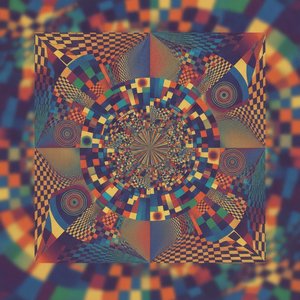
Explore the mesmerizing world of Victor Vasarely. Discover how his Bauhaus-inspired Op Art masters the science of perception through geometric abstraction and vibrant color. A sophisticated guide for discerning art collectors seeking to understand the legacy of optical illusion.

Embark on a visual journey through the mesmerizing world of Op Art. Discover the masters of optical illusion, explore geometric abstraction, and learn how to curate high-impact kinetic works for your private collection with expert guidance from art professionals.

Explore the profound impact of geometric form in art history. From Cubism to Op Art, discover how shape creates movement and emotion in masterpieces, and learn how to curate these powerful compositions for your private collection.

 Vorschau anzeigen
 Versenden
 Teilen
 Details anzeigen

 Herunterladen
 Ähnliche Objekte
 Röntgenaufnahme
 Diashow

 Weiterlesen







 Die Glasoption ist nur für Größen unter 110 cm verfügbar.