x
Vorschau anzeigenVorschau anzeigen In AR erlebenIn AR erleben Handgemalte Reproduktion bestellen Handgemalte Reproduktion bestellenBild kaufen Bild kaufen VersendenVersenden
Details anzeigenDetails anzeigen Zu Favoriten hinzufügen Zu Favoriten hinzufügen HerunterladenHerunterladen Ähnliche ObjekteÄhnliche Objekte RöntgenaufnahmeRöntgenaufnahme DiashowDiashow

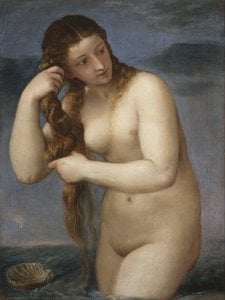
Orpheus

Experience the captivating beauty of "Orpheus" by Titian Ramsay Peale II! This Renaissance masterpiece depicts the legendary musician and his enchanting music, showcasing vibrant colors and a dynamic scene.

Entdecken Sie Titian Ramsay Peale II (1799-1885), einen amerikanischen Maler und Naturforscher, der für seine Hochrenaissance-Stilgemälde, detaillierte Tierdarstellungen und seine Beiträge zu frühen wissenschaftlichen Expeditionen bekannt ist. Erkunden Sie seine wiederentdeckten Meisterwerke auf.

Giclée / Kunstdruck

Giclée- oder Leinwanddruck in Museumsqualität mit schneller Produktion und flexiblen Veredelungsoptionen. (Handgemalte Reproduktion bestellen Handgemalte Reproduktion bestellenBild kaufen Bild kaufen)

P118B $10
P118H $10
P118W $10
P438Z $10
P508JH $12
P508YH $12
P805H $10
P805Z $10
P919BZ $10
P919G $10
P919XJ $10
P959ZH $10
P968JZ $12
W106C $8
W218G $10
W218JH $8
W218Y $10
W307PJ $10
W316G $10
W316PJ $8
W316Y $10
W398PJ $8
W4111J $10
W500HY $15
W500JH $15
W692G $12
W849H $8
W940BG $15
W953PJ $8

Standardformat
individuell anpassbar
CM
INCH

Wählen Sie aus unseren vordefinierten Formaten, die den ursprünglichen Proportionen des Kunstwerks entsprechen.

Breite
Höhe

Sie können Ihre eigenen Maße eingeben, um ein bestimmtes Format oder einen speziellen Platz einzupassen. Wenn das von Ihnen gewählte Format nicht den Proportionen des Originalbildes entspricht, werden wir das Kunstwerk entweder beschneiden oder das Bild mit einem gespiegelten oder einfarbigen Rand erweitern. Ein digitaler Entwurf wird Ihnen zur Genehmigung zugesandt, bevor die Produktion beginnt.
Bitte beachten Sie, dass die Vorschau auf dem Bildschirm nicht den tatsächlichen Zuschnitt oder die Erweiterung widerspiegelt. Nur der Entwurf zeigt die endgültige Komposition präzise an.
Obwohl Sondermaße verfügbar sind, empfehlen wir die Auswahl eines Maßes aus der vordefinierten Liste, um die ursprünglichen Proportionen zu bewahren.

Weltweiter Versand () innerhalb von 2 Wochen statt der üblichen 4/5 Wochen. (5 September)

why_choose_icon
Kostenloser weltweiter Expressversand
why_choose_icon
Hochwertige Leinenleinwand
why_choose_icon
Umfassender Versicherungsschutz beim Versand
why_choose_icon
Zollgebühren-Rückerstattungsgarantie
why_choose_icon
Garantie für exakte Farbtreue
why_choose_icon
60 Tage Rückgaberecht (nur bei Mängeln)
why_choose_icon
100% Geld-zurück-Garantie
why_choose_icon
Mengenrabatt verfügbar

Gesamtpreis

$ 68

reproduction

Orpheus

Giclée / Kunstdruck

Format der Reproduktion

-

Gesamtpreis

$ 68

Eckdaten

  • Year: 1515
  • Subject or theme: Greek mythology
  • Title: Orpheus
  • Artist: Titian Ramsay Peale II
  • Medium: Painting
  • Notable elements: Mythological figure
  • Influences: Venetian masters

Kunst-Quiz

Jede Frage hat nur eine richtige Antwort.

Frage 1:
What is the primary subject depicted in Titian Ramsay Peale II’s ‘Orpheus’?
Frage 2:
According to the image description, what is one notable feature present in the painting?
Frage 3:
In what year was Titian Ramsay Peale II’s ‘Orpheus’ painted?
Frage 4:
What artistic movement is most closely associated with Titian Ramsay Peale II’s style, as indicated in his biography?
Frage 5:
The image description mentions a duck situated on the ground. What does this detail suggest about the painting’s atmosphere?

A Symphony of Light and Loss: Unveiling Titian Ramsay Peale II’s “Orpheus”

Titian Ramsay Peale II's "Orpheus," painted in 1515, isn’t merely a depiction of the legendary musician; it’s a profound meditation on beauty, grief, and the enduring power of art. This captivating work transcends its historical context to resonate with viewers today through its masterful use of light, color, and an arresting sense of human emotion. Peale, a key figure in American art history bridging the Renaissance ideals of Venice with the burgeoning artistic landscape of the New World, imbued this piece with a distinctly Romantic sensibility – a focus on feeling and subjective experience that would become increasingly prominent in subsequent generations.

The scene unfolds within a richly textured interior, bathed in a dramatic interplay of light and shadow. Orpheus, rendered with meticulous detail, dominates the composition, his posture conveying both intense concentration and palpable sorrow. His flowing robes, rendered in deep blues and purples, contrast sharply with the vibrant hues of the surrounding women – a deliberate choice that highlights his isolation amidst a scene of apparent revelry. The figures are not simply arranged; they’re carefully positioned to create a dynamic visual narrative, drawing the eye through the painting's layers.

The Mythic Core: Orpheus and Eurydice

At its heart, “Orpheus” is rooted in the timeless Greek myth of Orpheus and Eurydice. The story, as recounted by Apollodorus and later Virgil, tells of Orpheus’s profound love for his wife, Eurydice, who tragically dies after being bitten by a snake. Driven by grief, Orpheus descends into the underworld, using his lyre to charm Hades and Persephone, ultimately securing permission to escort Eurydice back to the world of the living – only under the condition that he not turn back to look at her until they both reached the sunlight. Tragically, his overwhelming despair leads him to succumb to temptation and glance backward, causing Eurydice to vanish forever.

Peale masterfully captures this poignant moment of loss and regret. The women surrounding Orpheus are not passive observers; they seem lost in their own enjoyment of the music, oblivious to the depth of his sorrow. This juxtaposition underscores the isolating nature of grief – a private torment experienced within a world seemingly untouched by pain. The inclusion of birds—a common motif in depictions of Orpheus—adds another layer of symbolism, representing both beauty and fleeting joy, reminders of what has been lost.

Technique and Artistic Influence

Peale’s technique is characterized by a remarkable attention to detail and a masterful command of color. He employs sfumato – a subtle blurring of lines and edges – to create an atmosphere of ethereal beauty, particularly in the rendering of Orpheus's face and the drapery of his robes. His use of chiaroscuro—the dramatic contrast between light and dark—further enhances the painting’s emotional impact, emphasizing the figures’ forms and creating a sense of depth and drama. Peale was deeply influenced by the Venetian Renaissance masters, particularly Titian, evident in his rich color palette and his ability to capture fleeting moments of emotion.

Furthermore, Peale's background as a naturalist profoundly shaped his artistic practice. He meticulously studied anatomy and perspective, ensuring that each figure is rendered with anatomical accuracy. This commitment to realism, combined with his expressive use of light and color, elevates “Orpheus” beyond a simple mythological scene into a powerful exploration of human emotion and the enduring legacy of loss.

A Timeless Resonance: Symbolism and Interpretation

Beyond its narrative content, "Orpheus" offers a wealth of symbolic interpretation. The painting can be seen as an allegory for the universal experience of grief and the struggle to reconcile beauty with sorrow. Orpheus’s music represents the power of art to transcend suffering, yet his ultimate failure highlights the limitations of human agency in the face of fate. The women surrounding him symbolize the distractions and superficial pleasures that often mask our deepest emotions. The duck, a seemingly incongruous element, might represent fleeting joy or simply serve as a reminder of the natural world amidst the mythological drama.

Today, “Orpheus” continues to captivate viewers with its emotional intensity and artistic sophistication. Reproductions of this iconic work offer a window into the artistic sensibilities of 19th-century America and provide a poignant reflection on the enduring themes of love, loss, and the transformative power of art.


Über den Künstler

**frühes Leben und künstlerische Anfänge**

Titian Ramsey Peale II, ein Name, der durch die Annalen der Kunstgeschichte hallt, aber von einem Hauch Geheimnis umgeben ist. Geboren 1799, war Peales frühes Leben von einer unaufhaltsamen Leidenschaft für die Künste geprägt, die ihn schließlich dazu führte, ein versierter Maler zu werden.

**Künstlerische Beiträge und Stil**

Peales Werk, das durch seinen **Hochrenaissance**-Flair gekennzeichnet ist, zeigt seine Meisterschaft in Öl auf Holz und Leinwand. Bemerkenswerte Werke sind unter anderem:
  • Altar-Schrein mit vier Heiligen (125 x 72 cm, Öl auf Holz), ein Zeugnis seiner Hingabe an die religiöse Kunst.
  • Anbetung der Hirten (Palazzo Pitti, Florenz, Italien, **Hochrenaissance**, Öl auf Karton), das seine Fähigkeit widerspiegelt, ergreifende Momente einzufangen.
  • Die Schönheit (89 x 76 cm, Palazzo Pitti, Florenz, Italien, **Hochrenaissance**, Öl auf Leinwand), ein Porträt, das Eleganz und Raffinesse ausstrahlt.

**Einflüsse und Vermächtnis**

Obwohl sein Leben nicht so gut dokumentiert ist wie das einiger Zeitgenossen, ist Peales Werk zweifellos von der **italienischen Hochrenaissance** beeinflusst, mit Hinweisen auf venezianische Farbismus. Sein Vermächtnis, das seine Zeit über die breite Anerkennung hinausging, wurde durch die Linse moderner Kunstkritik wiederentdeckt und neu geschätzt.

**Wo man Peales Werke finden kann**

Für diejenigen, die sich tiefergehend mit Peales Oeuvre beschäftigen möchten, kann Titian Ramsey Peale II: Altar-Schrein mit vier Heiligen auf WahooArt gefunden werden, zusammen mit anderen bemerkenswerten Werken. Die Uffizien-Galerie (Florenz, Italien) und die Pitti-Palast (Florenz, Italien) beherbergen ebenfalls seine Werke und bieten einen Einblick in die Welt des Künstlers.

**Schlussfolgerung**

Titian Ramsey Peale II, eine enigmatische Figur der Kunstwelt, hinterlässt eine Kette von Meisterwerken, die weiterhin faszinieren und inspirieren. Durch WahooArt und andere Ressourcen sind seine Werke heute zugänglicher denn je und laden eine neue Generation von Kunstinteressierten ein, seine Beiträge zur **Hochrenaissance**-Bewegung zu entdecken und wertzuschätzen.
  • Erforschen Sie weitere Werke von Peale II auf WahooArt.
  • Erfahren Sie mehr über andere einflussreiche Künstler wie Giulio Clovio, der für seine illuminierten Handschriften bekannt ist.
  • Entdecken Sie die Museum Fine Art Society (Vereinigtes Königreich), eine führende Institution zur Förderung des Kunst-Erbes, auf WahooArt.
Tizian Ramsay Peale II

Tizian Ramsay Peale II

1799 - 1885 , Vereinigte Staaten von Amerika

Kurzinfos

  • Beeinflusste Künstler: ['Tizian (venezianisch)']
  • Bemerkenswerte Werke:
    • Altar Schrein mit Vier Heiligen
    • Anbetung der Hirten
    • Die Schönheit
  • Einflüsse: Italienische Hochrenaissance, Venezianischer Kolorismus
  • Geburtsdatum: 1799
  • Künstlerische Bewegung: Hochrenaissance
  • Nationalität: Amerikanisch
  • Todatum: 1885
  • Vollständiger Name: Tizian Ramsay Peale II
Entdecken Sie Kunstwerke, die nach Themen, Stilen und Merkmalen sortiert sind.