

Leinwand- und Fine-Art-Prints ab €45 bei 36 x 28 cm
Handgemalte Ölreproduktion ab €182
Giclée- oder Leinwanddruck in Museumsqualität mit schneller Produktion und flexiblen Veredelungsoptionen. ( Handgemaltes Ölgemälde Digitales Bild kaufen
)
Unser Budget-Druck: dasselbe Motiv auf einer 260 g/m² Polyester-Leinwand statt auf Baumwolle, geliefert als Rolle im Rohr per Standardpost in 3 bis 4 Wochen. Nur als Rolle (ohne Keilrahmen, ohne Rahmung) und ohne Eilproduktion, für Formate mit mindestens einer Seite von 80 cm oder weniger. Etwa 30% günstiger als der Baumwoll-Leinwanddruck.
Für diese Größe nicht verfügbar: Mindestens eine Seite muss 80 cm oder weniger lang sein.
Nur als Rolle erhältlich: Wählen Sie die Variante „Leinwand in der Röhre“, um diesen Druck zu wählen.
Verfügbar für Formate mit einer Seitenlänge von maximal 110 cm. Bei größeren Formaten wird der Druck auf mattem Baumwollleinwand erstellt.
Matt archival canvas ist für diese Größe nicht verfügbar: Beide Seiten müssen 110 cm oder weniger lang sein. Ihr Druck wird stattdessen auf mattem Baumwollcanvas erstellt.
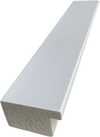
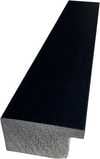
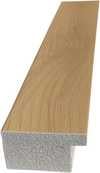
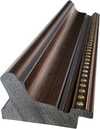
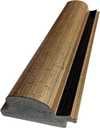
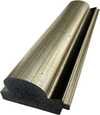
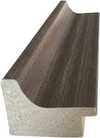
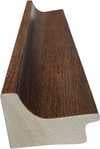
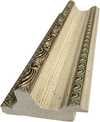
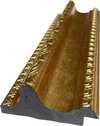
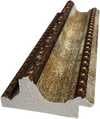
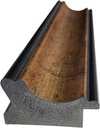
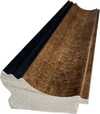
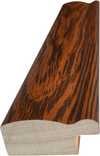
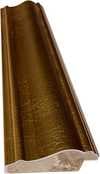
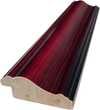
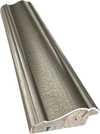
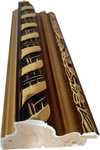
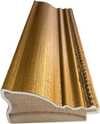
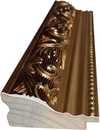
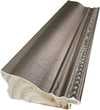
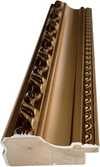
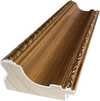
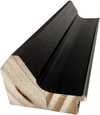
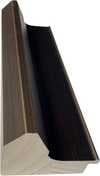
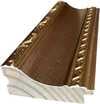
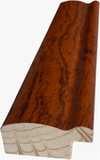
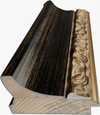
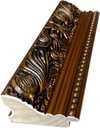
Wählen Sie aus unseren vordefinierten Formaten, die den ursprünglichen Proportionen des Kunstwerks entsprechen.

Geben Sie die benötigte Breite und Höhe an, damit der Druck perfekt in Ihren Rahmen oder an Ihre Wand passt. Ein Druck kann nur beschnitten, aber niemals größer als das Originalbild angefertigt werden; daher verliert ein Format mit anderen Proportionen einen Teil des Bildes. Wir senden Ihnen ein digitales Mockup zur Freigabe, bevor wir den Druck ausführen. Das auf dieser Seite gezeigte Bild zeigt nicht den tatsächlichen Beschnitt – dies ist nur im Mockup ersichtlich.
Weltweiter Versand () innerhalb von 2 Wochen statt der üblichen 4/5 Wochen. (27 Dezember)
Eilproduktion und Expressversand sind beim Economy-Polycanvas-Druck nicht verfügbar, da dieser per Standardpost versendet wird.
Venus And Adonis
Format der Reproduktion
Weltweiter Versand () per Standardpost in 3 bis 4 Wochen. (27 Dezember)
The scene unfolds through Venus and Adonis, a significant work by Thomas Phillips. This composition captures a heavy, suspended moment of tension drawn from the verses of Ovid's Metamorphoses. Within this narrative, the goddess of love reaches out to her lover, attempting to forestall the tragic fate that awaits him. The air feels thick with the weight of what is to come, as the mythological drama reaches its peak.
Thomas Phillips presented this painting in 1808 as his diploma work upon his election as a full Royal Academician. It marks a departure from his frequent focus on portraiture, leaning instead into the grander, more theatrical demands of history painting. The figures exist in a state of urgent motion and emotional struggle, frozen in the very instant where desire meets impending loss.
In a lush garden filled with verdant foliage and blooming flowers, a moment of profound tension unfolds. Venus, the goddess of love, lies on her stomach upon a bed of white sheets, her pale skin contrasting against the soft fabric. She is a nude figure, her long hair flowing as she looks back over her shoulder with a gentle, pleading expression. Beside her, symbolic roses and turtle doves surround the scene, adding a layer of mythological weight to her presence. She reaches out to implore Adonis to abandon his hunt and remain by her side, her gesture heavy with the knowledge of what his departure might bring.
Adonis stands in mid-motion, a young man dressed in a striking red tunic that catches the eye against the garden's greenery. He holds a spear in his hand, the instrument of his impending fate, while a hound lies calm and attentive at his side. The physical distance between the reclining goddess and the standing hunter creates a palpable sense of emotional tension. Every muscle and gesture suggests a struggle between the pull of domesticity and the call of the wild hunt. The composition captures the very instant before a tragic separation, freezing the movement of his departure and the desperation of her plea.
This oil-on-canvas history painting captures a moment of profound tension through a blend of classical precision and emerging Romantic elements. The composition relies heavily on gesture to communicate the weight of the unfolding drama. Venus reaches out with a desperate urgency, her movements contrasting against the resolute, steady stance of Adonis. Every curve of the figures and every fold of the drapery feels deliberate, as if the air itself is thick with the impending tragedy of the hunt. The scale of the work, measuring approximately 127.4 x 101.9 cm, allows the viewer to feel the intimacy of this private, mythological encounter.
A restrained palette governs the scene, avoiding excessive brightness to maintain a sense of gravity. Instead of overwhelming the eye with loud colors, the artist uses subtle shifts in tone to direct the gaze toward the emotional core of the figures. Light and shadow dance across the lush, naturalistic landscape, highlighting the pale skin of the goddess against the deep greens of the garden. This careful control of light ensures that the focus remains on the physical connection between the lovers and the silent, watchful presence of the hound. The brushwork brings a sense of vigor to the scene, grounding the mythological figures in a world that feels tangibly real.
Thomas Phillips moves through the history of English art as a leading figure in both portraiture and subject painting. While much of his life is spent capturing the likenesses of the era's most prominent individuals, his creative spirit finds a profound release in mythological storytelling. This specific work, exhibited at the Royal Academy in 1808, marks a significant moment in his professional ascent. It is the piece he presents as his diploma work, a requirement for his elevation to the prestigious status of a full Royal Academician that same year.
The painting emerges as one of his finest non-portrait creations, revealing a capacity for dramatic narrative that rivals his many successful likenesses. While his reputation often rests upon the faces of scientists, poets, and royalty, this composition demonstrates a different facet of his talent. He moves away from the steady gaze of a sitter to embrace the tension of a mythic encounter. Through this work, Phillips secures his place within the artistic establishment, proving he can command the stage of history painting with as much skill as he does the intimate study of a human character.
Druck: Venus And Adonis wird als Giclée-Druck auf Baumwollkanvas oder auf Epson Archiv-Leinwandpapier reproduziert.
Die Größen reichen von 35.5 x 28.2 cm (€45) bis 242.9 x 192.6 cm (€392); die Tabelle auf dieser Seite listet die wichtigsten Formate und deren Preise auf.
Ein gerollter Druck wird kostenlos per Standardpost versendet und trifft in 3 bis 4 Wochen bei Ihnen ein; ein auf Keilrahmen gespannter oder gerahmter Druck benötigt 4 bis 5 Wochen. Ein Versand per Expresskurier ist nur mit der auf dieser Seite angebotenen kostenpflichtigen Express-Versandoption möglich. Sie können den Artikel innerhalb von 100 Tagen ohne Angabe von Gründen gegen eine vollständige Rückerstattung zurückgeben.
Oil On Canvas

Entdecken Sie Carlo Crivellis faszinierende Renaissance-Malerei! Analysieren Sie seine einzigartige Technik, religiöse Symbolik und den Einfluss Venedigs auf sein Werk. Expertenwissen & detaillierte Kunstanalyse.

Entdecken Sie Tizians 25 größte Meisterwerke der Renaissance. Finden Sie exklusive Reproduktionen auf WahooArt.com.

Entdecken Sie die 25 Meisterwerke von Filippino Lippi. Erleben Sie die Renaissance-Kunst pur auf WahooArt.com. Jetzt die Kollektion erkunden!

 Vorschau anzeigen

 Versenden
 Teilen
 Details anzeigen
 Datenblatt


 Herunterladen
 Ähnliche Objekte
 Röntgenaufnahme
 Diashow
 Fragen & Antworten

 Statistiken


 Vollständige Beschreibung von Venus And Adonis
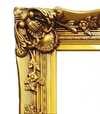
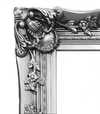
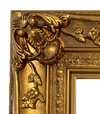
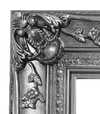


 Die Glasoption ist nur für Größen unter 110 cm verfügbar.


