Kostenlose Kunstberatung

x
Gemälde kaufen Gemälde kaufenBild kaufen Bild kaufen VersendenVersenden
Details anzeigenDetails anzeigen Zu Favoriten hinzufügen Zu Favoriten hinzufügen HerunterladenHerunterladen Ähnliche ObjekteÄhnliche Objekte RöntgenaufnahmeRöntgenaufnahme Diashow anzeigenDiashow anzeigen


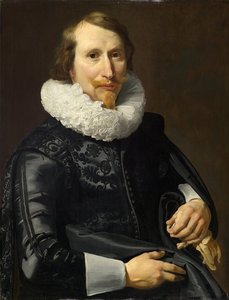
A Lady

Admire "A Lady" by Thomas de Keyser (1632), a stunning Dutch Golden Age portrait showcasing elegance, rich detail & masterful chiaroscuro. Explore the painting's history and artistry.

Thomas de Keyser: Meisterlicher niederländischer Porträtmaler des Goldenen Zeitalters bekannt für seine beeindruckenden Gemälde und den Einfluss von Rembrandt. Entdecken Sie Werke wie „Frederick van Velthuysen und seine Frau“ im Rijksmuseum!

Giclée / Kunstdruck

Giclée- oder Leinwanddruck in Museumsqualität mit schneller Produktion und flexiblen Veredelungsoptionen.

P118B $10
P118H $10
P118W $10
P438Z $10
P508JH $12
P508YH $12
P805H $10
P805Z $10
P919BZ $10
P919G $10
P919XJ $10
P959ZH $10
P968JZ $12
W106C $8
W218G $10
W218JH $8
W218Y $10
W307PJ $10
W316G $10
W316PJ $8
W316Y $10
W398PJ $8
W4111J $10
W500HY $15
W500JH $15
W692G $12
W849H $8
W940BG $15
W953PJ $8

Standard
custom
CM
INCH

Wählen Sie aus unseren vordefinierten Größen, die den ursprünglichen Proportionen des Kunstwerks entsprechen.

Breite
Höhe

Sie können Ihre eigenen Maße eingeben, um ein bestimmtes Format oder einen speziellen Platz einzupassen. Wenn das von Ihnen gewählte Format nicht den Proportionen des Originalbildes entspricht, werden wir das Kunstwerk entweder beschneiden oder das Bild mit einem gespiegelten oder einfarbigen Rand erweitern. Ein digitaler Entwurf wird Ihnen zur Genehmigung zugesandt, bevor die Produktion beginnt.

Bitte beachten Sie, dass die Vorschau auf dem Bildschirm nicht den tatsächlichen Zuschnitt oder die Erweiterung widerspiegelt. Nur der Entwurf zeigt die endgültige Komposition präzise an.
Obwohl Sondermaße verfügbar sind, empfehlen wir die Auswahl eines Maßes aus der vordefinierten Liste, um die ursprünglichen Proportionen zu bewahren.

Weltweiter Versand () innerhalb von 2 Wochen statt der üblichen 4/5 Wochen. (6 Juli)

why_choose_icon
Kostenloser weltweiter Expressversand
why_choose_icon
Hochwertige Leinenleinwand
why_choose_icon
Umfassender Versicherungsschutz beim Versand
why_choose_icon
Zollsteuer-Rückerstattungsgarantie
why_choose_icon
Garantie für echte Farbtreue
why_choose_icon
60-Tage-Rückgaberecht (nur bei Mängeln)
why_choose_icon
100% Geld-zurück-Garantie
why_choose_icon
Mengenrabatt verfügbar

Gesamtpreis

-

reproduction

A Lady

Giclée / Kunstdruck

Größe der Reproduktion

-

Endpreis aller Optionen

-

Eckdaten auf einen Blick

  • Artist: Thomas de Keyser
  • Location: Staatliche Museen Berlin
  • Influences: Rembrandt
  • Movement: Dutch Golden Age
  • Dimensions: 79 x 52 cm
  • Title: A Lady
  • Year: 1632

Kunst-Quiz

Jede Frage hat nur eine richtige Antwort.

Frage 1:
What is the primary artistic style associated with Thomas de Keyser’s ‘A Lady’?
Frage 2:
In the painting 'A Lady', what technique is prominently used to create depth and dimension?
Frage 3:
What year was ‘A Lady’ painted, as indicated in the provided information?
Frage 4:
The background of ‘A Lady’ features a dark room. What does this element primarily contribute to the overall atmosphere?
Frage 5:
Where is ‘A Lady’ currently housed?

Beschreibung des Sammlerstücks

A Portrait of Grace: Unveiling Thomas de Keyser’s “A Lady”

The year is 1632. Amsterdam thrives as the epicenter of the Dutch Golden Age, a period brimming with artistic innovation and opulent patronage. Within this vibrant scene emerges Thomas de Keyser, a painter whose skill lay not merely in capturing likeness but in distilling the very essence of his subjects – a talent brilliantly showcased in his captivating portrait, “A Lady.” This oil-on-oak panel painting, currently residing within the esteemed Staatliche Museen in Berlin, is more than just a depiction; it’s an invitation into a world of refined elegance and subtle psychological depth.

De Keyser's style, heavily influenced by both the meticulous detail of Flemish masters like Anthony van Dyck and the dramatic lighting favored by Rembrandt, results in a remarkably lifelike portrayal. The lady before us is presented with a poise that speaks volumes – her posture relaxed yet undeniably regal, her gaze direct and engaging. Notice how De Keyser masterfully employs chiaroscuro, the masterful use of light and shadow, to sculpt the figure, drawing attention to her face and hands while subtly enveloping the background in a veil of mystery. The dark interior, punctuated by the warm glow emanating from an unseen window, creates a sense of intimacy and draws the viewer into the scene.

Deconstructing the Details: Fashion, Symbolism, and Technique

A closer examination reveals a wealth of detail that speaks volumes about the era. The lady’s attire is a testament to the fashion of 17th-century Holland – a black bodice adorned with intricate gold trim and delicate lace, suggesting both wealth and status. The elaborate headwear, a white ruff collar framing a dark hat embellished with what appear to be feathers or decorative elements, further emphasizes her position within society. These aren’t merely decorative choices; they are carefully selected symbols of power, refinement, and social standing.

The background, far from being mere decoration, plays an integral role in the painting's narrative. The dark room, with its wooden floor featuring a subtle checkered pattern, evokes a sense of luxury and opulence – a space designed for contemplation and quiet enjoyment. The glimpse of a red velvet drape hints at hidden treasures and adds a touch of dramatic flair. De Keyser’s brushwork is remarkably precise, particularly evident in the rendering of the lace and the folds of the fabric. He utilizes layering techniques to create texture and depth, ensuring that every element contributes to the overall sense of realism.

A Window into the Dutch Golden Age

Understanding “A Lady” requires a glimpse into the context of its creation. Thomas de Keyser was a prominent figure in the Dutch art world during this period, renowned for his portraits and genre scenes commissioned by wealthy merchants and nobility. His work reflects the prosperity and cultural flourishing of the Netherlands – a nation at the forefront of artistic innovation and trade. The painting offers a fascinating window into the lives of the elite, revealing their values, aspirations, and aesthetic sensibilities.

Furthermore, De Keyser’s connection to Hendrick de Keyser, his father—a celebrated architect and sculptor who shaped Amsterdam's skyline—provides an intriguing layer of familial legacy. This lineage undoubtedly influenced Thomas’s artistic development, imbuing his work with a sense of technical mastery and architectural awareness. The painting stands as a testament not only to De Keyser’s individual talent but also to the enduring influence of his family’s artistic heritage.

Collecting the Essence: Reproduction and Legacy

Today, “A Lady” continues to captivate viewers with its timeless beauty and psychological depth. WahooArt offers meticulously crafted hand-painted reproductions that faithfully capture the essence of De Keyser's masterpiece. These reproductions are not mere copies; they are artistic interpretations imbued with the same attention to detail, technique, and emotional resonance as the original. Whether adorning a grand salon or a more intimate space, a reproduction of “A Lady” brings a touch of Dutch Golden Age elegance and sophistication to any setting.

For those seeking further information on Thomas de Keyser and his remarkable oeuvre, we encourage you to explore resources such as WahooArt.com and the Staatliche Museen in Berlin’s website. And for a deeper dive into the life and works of this pivotal artist, Wikipedia offers a comprehensive overview of his biography and artistic contributions.


Biografie des Künstlers

Thomas de Keyser: The Rembrandt Shadow

Thomas de Keyser (1596 – 1667) stands as a pivotal figure in the Dutch Golden Age, celebrated primarily for his masterful portraiture and architectural contributions. Born in Amsterdam to Hendrick de Keyser, a renowned architect and sculptor who shaped the city’s skyline, Thomas inherited a legacy of artistic excellence and technical skill—a connection that profoundly influenced his own oeuvre. While biographical details remain scarce, evidence suggests he received instruction from Cornelis van der Voort, quickly establishing himself as a prodigious talent mirroring the stylistic innovations championed by Rembrandt van Rijn.

Early Life and Artistic Training

Information regarding Thomas de Keyser’s formative years is fragmentary. However, his familial ties to Hendrick de Keyser—a man instrumental in designing iconic structures like Zuiderkerk and Delft Town Hall—provided him with an unparalleled environment for artistic development. The family resided within the municipal stone yard along the Amstel River, fostering a connection to craftsmanship and architectural design that would permeate his later work. His training under Cornelis van der Voort ensured exposure to humanist ideals and compositional techniques prevalent during the period, laying the groundwork for his distinctive artistic style. This meticulous attention to detail—a hallmark of Van Der Voort’s teachings—would become a defining characteristic of De Keyser's artistic approach.

A Rembrandtian Influence

De Keyser’s artistic vision was undeniably shaped by Rembrandt's groundbreaking approach to portraiture—a collaboration that cemented Rembrandt’s reputation as a master of capturing psychological depth and dramatic lighting. Like Rembrandt, De Keyser prioritized realism, meticulously rendering textures and facial expressions with remarkable accuracy. This stylistic convergence is evident throughout his portraits, where subtle nuances of emotion and gesture convey profound insight into the sitter's character. Many scholars contend that Rembrandt himself was influenced by De Keyser’s pioneering use of chiaroscuro—the interplay between light and shadow—a technique that elevates his paintings beyond mere representation to evoke powerful emotional responses. This masterful manipulation of light, mirroring Rembrandt’s signature style, distinguishes De Keyser’s oeuvre from many contemporaries.

Notable Works: Capturing Dignity and Emotion

De Keyser produced a substantial body of work, primarily focused on portraiture, which solidified his place among the foremost artists of his era. Among his most celebrated achievements is “Frederick van Velthuysen and His Wife,” now housed at the National Gallery of Victoria in Melbourne—a stunning depiction of familial affection rendered with exquisite detail and compositional balance. Similarly impressive is “The Four Amsterdam Burgomasters Assembled to Receive Marie de Medici,” displayed prominently at the Mauritshuis Museum in The Hague, showcasing De Keyser’s ability to convey authority and grace within a formal setting. Furthermore, his paintings adorn museums across Europe, including the Rijksmuseum in Amsterdam and the Louvre in Paris—testaments to their enduring artistic merit and historical significance. These works exemplify De Keyser's dedication to portraying subjects with both psychological complexity and visual splendor.

Legacy: A Master of Dutch Portraiture

Thomas de Keyser’s legacy extends beyond individual artworks; he fundamentally reshaped the conventions of portrait painting during the Dutch Golden Age. His meticulous realism, combined with Rembrandt’s influence on lighting and psychological portrayal, established a new standard for artistic excellence—a standard that continues to inspire artists today. He remains recognized as one of the most accomplished portraitists of his time, embodying the humanist spirit and technical prowess characteristic of the era's finest painters. His contribution to Dutch art history is undeniable, securing his place among the revered Masters of the Golden Age. He cemented his reputation as a symbol of artistic innovation and unwavering dedication to craftmanship—a testament to his enduring influence on subsequent generations of artists.
Thomas de Keyser

Thomas de Keyser

1596 - 1667 , Niederlande

Kurzinfos

  • Artistic Movement Or Style: Goldenes Zeitalter
  • Artists Or Movements Influenced By This Artist: ['Rembrandt']
  • Artists Who Influenced This Artist: ['Rembrandt']
  • Date Of Birth: Amsterdam, Niederlande (1596)
  • Date Of Death: 1667
  • Full Name: Thomas de Keyser
  • Nationality: Niederländisch
  • Notable Artworks: ['Frederick van Velthuysen und seine Frau']
  • Place Of Birth: Amsterdam
Entdecken Sie Kunstwerke, die nach Themen, Stilen und Merkmalen sortiert sind.