In echtem Maßstab anzeigen In AR an der Wand sehen Zum Druck wechseln Zum digitalen Bild wechseln Versenden als Grußkarte
Details anzeigen Leitfaden öffnen Zu Favoriten hinzufügen Herunterladen Ähnliche Objekte Röntgenaufnahme Diashow Besucherstatistiken

Fortezza Uffizi

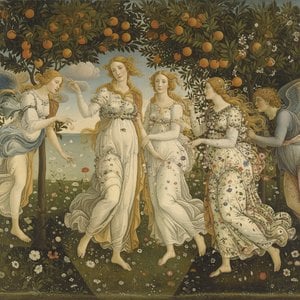
Entdecken Sie die beeindruckende Darstellung von Sandro Botticelli's Fortezza Uffizi! Ein Meisterwerk der italienischen Renaissance, das die Grazie und Eleganz des florentinischen Kunstschaffens einfängt.

Entdecken Sie die fesselnde Kunst von Sandro Botticelli (1445-1510), einem Meister der Frührenaissance. Bekannt für seine elegante Linienführung, ikonische Werke wie 'Die Geburt des Venus' & 'Primavera' und die Brücke zwischen gotischen und Renaissance-Stilen. Erfahren Sie mehr über sein Vermächtnis!

Handgefertigte Ölreproduktion

Handgemaltes Ölgemälde auf Leinwand in Ihrer Wunschgröße und mit Rahmen, auf Bestellung von unseren Künstlern angefertigt. ( Zum Druck wechseln Zum digitalen Bild wechseln)

Corner sample of the P118B picture frame: formgepresstes Polystyrol, 5 cm wide and 3 cm thick
P118B 10
Corner sample of the P118H picture frame: formgepresstes Polystyrol, 5 cm wide and 3 cm thick
P118H 10
Corner sample of the P118W picture frame: formgepresstes Polystyrol, 5 cm wide and 3 cm thick
P118W 10
Corner sample of the P438Z picture frame: formgepresstes Polystyrol, 5.5 cm wide and 3.5 cm thick
P438Z 10
Corner sample of the P508JH picture frame: formgepresstes Polystyrol, 7 cm wide and 3.5 cm thick
P508JH 12
Corner sample of the P508YH picture frame: formgepresstes Polystyrol, 7 cm wide and 3.5 cm thick
P508YH 12
Corner sample of the P805H picture frame: formgepresstes Polystyrol, 5 cm wide and 3.5 cm thick
P805H 10
Corner sample of the P805Z picture frame: formgepresstes Polystyrol, 5 cm wide and 3.5 cm thick
P805Z 10
Corner sample of the P919BZ picture frame: formgepresstes Polystyrol, 7 cm wide and 3.5 cm thick
P919BZ 10
Corner sample of the P919G picture frame: formgepresstes Polystyrol, 7 cm wide and 3.5 cm thick
P919G 10
Corner sample of the P919XJ picture frame: formgepresstes Polystyrol, 7 cm wide and 3.5 cm thick
P919XJ 10
Corner sample of the P959ZH picture frame: formgepresstes Polystyrol, 5 cm wide and 3 cm thick
P959ZH 10
Corner sample of the P968JZ picture frame: formgepresstes Polystyrol, 6 cm wide and 4 cm thick
P968JZ 12
Corner sample of the W106C picture frame: Massivholz, 5 cm wide and 3 cm thick
W106C 8
Corner sample of the W218G picture frame: Massivholz, 5 cm wide and 3 cm thick
W218G 10
Corner sample of the W218JH picture frame: Massivholz, 5 cm wide and 3 cm thick
W218JH 8
Corner sample of the W218Y picture frame: Massivholz, 5 cm wide and 3 cm thick
W218Y 10
Corner sample of the W307PJ picture frame: Massivholz, 6 cm wide and 3 cm thick
W307PJ 10
Corner sample of the W316G picture frame: Massivholz, 6 cm wide and 3 cm thick
W316G 10
Corner sample of the W316PJ picture frame: Massivholz, 6 cm wide and 3 cm thick
W316PJ 8
Corner sample of the W316Y picture frame: Massivholz, 6 cm wide and 3 cm thick
W316Y 10
Corner sample of the W398PJ picture frame: Massivholz, 5 cm wide and 3 cm thick
W398PJ 8
Corner sample of the W4111J picture frame: Massivholz, 6.5 cm wide and 3.5 cm thick
W4111J 10
Corner sample of the W500HY picture frame: Massivholz, 7 cm wide and 5 cm thick
W500HY 15
Corner sample of the W500JH picture frame: Massivholz, 7 cm wide and 5 cm thick
W500JH 15
Corner sample of the W692G picture frame: Massivholz, 8 cm wide and 4 cm thick
W692G 12
Corner sample of the W849H picture frame: Massivholz, 5 cm wide and 3 cm thick
W849H 8
Corner sample of the W940BG picture frame: Massivholz, 7.5 cm wide and 4.5 cm thick
W940BG 15
Corner sample of the W953PJ picture frame: Massivholz, 6 cm wide and 3.5 cm thick
W953PJ 8

Standardformat
individuell anpassbar
CM
INCH

Wählen Sie aus unseren vordefinierten Formaten, die den ursprünglichen Proportionen des Kunstwerks entsprechen.

Breite
Höhe

Geben Sie die Breite und die Höhe an, die Sie für Ihren Rahmen oder Ihre Wand benötigen. Da dieses Werk handgemalt ist, kann der Künstler bei einer anderen Form etwas mehr um das Bild herum malen oder etwas abschneiden – Sie entscheiden. Wir senden Ihnen ein digitales Mockup zur Freigabe, bevor mit dem Malen begonnen wird. Das auf dieser Seite gezeigte Bild stellt nicht das tatsächliche Ergebnis dar – dies tut nur das Mockup.

Beispiele für Anpassungsmöglichkeiten: Gesicht durch Kundenfoto ersetzen; Haustier hinzufügen (z. B. Katze durch Hund ersetzen); eine versteckte Nachricht im Hintergrund einfügen; Hintergrundlandschaft oder -elemente ändern.
Nach der Bestellung wird das WahooArt.com-Team dem Kunden Anweisungen per E-Mail zusenden und eine Mockup-Vorschau bereitstellen.

Weltweiter Versand () in nur 3 bis 4 Wochen statt der üblichen 5 Wochen. (22 Oktober). Keine Kompromisse bei der Qualität.

Kostenloser weltweiter Expressversand
Hochwertige Leinenleinwand
Vollständiger Versicherungsschutz beim Versand
Zollgebühren-Rückerstattungsgarantie
Garantie für exakte Farbtreue
100-tägiges Rückgaberecht (nur bei Mängeln)
100% Geld-zurück-Garantie
Angebot für Mengenrabatt

Gesamtpreis

€ 239

Fortezza Uffizi

Reproduktionsmedium

Format der Reproduktion

-

Gesamtpreis

€ 239

Kurzübersicht

  • Movement: Renaissance
  • Year: Um 1469
  • Artistic style: Elegant Stil
  • Artist: Sandro Botticelli
  • Medium: Temperafarbe auf Tavola

Kunst-Quiz

Jede Frage hat nur eine richtige Antwort.

Frage 1:
¿Quién pintó La Fortezza?
Frage 2:
¿Dónde se encuentra actualmente esta obra maestra?
Frage 3:
¿Cuál es el estilo artístico predominante en La Fortezza?

Fortezza Uffizi, Firenze: Botticelli’s Emblematic Portrait of Virtue

Sandro Botticelli's *Fortezza*, housed within the prestigious Galleria degli Uffizi in Florence, stands as a singular achievement amongst his oeuvre—the sole painting undertaken by the maestro for Piero del Pollaiolo’s ambitious cycle dedicated to the Virtues. Commissioned in 1469 and destined for the Sala dell’Udienza nel Tribunale di Mercanzia, this artwork embodies Botticelli's signature elegance and meticulous attention to detail, cementing its place as a cornerstone of Florentine Renaissance art.

  • Subject Matter: The painting depicts a woman seated upon a chair, her hands firmly grasping a sword. This deliberate juxtaposition speaks volumes about Botticelli’s artistic intent—representing fortitude, courage, and unwavering resolve amidst beauty and grace.
  • Style & Technique: Executed in tempera on wood panel, *Fortezza* exemplifies Botticelli's masterful handling of color and line. The artist employs a delicate sfumato technique, blurring contours to create an ethereal atmosphere that enhances the figure’s regal presence.
  • Historical Context: Created during the height of Florentine artistic fervor—the Early Renaissance—the painting reflects the humanist ideals prevalent at the time, prioritizing intellect and moral virtue alongside aesthetic splendor. It aligns perfectly with Piero del Pollaiolo's broader project to celebrate the cardinal virtues of Faith, Hope, Charity, Prudence, Temperance, and Justice.
  • Symbolism: The sword symbolizes strength and protection—a visual metaphor for fortitude’s defense against adversity. Coupled with the crown, it underscores the woman’s authority and dignity, reinforcing Botticelli's commitment to portraying idealized figures embodying moral excellence.

Botticelli’s *Fortezza* transcends mere representation; it communicates an emotional resonance that captivates viewers centuries later. The serene composure of the subject—combined with the subtle artistry of the painting—invites contemplation on themes of resilience and inner fortitude. It remains a testament to Botticelli's unparalleled ability to infuse beauty into moral virtue, securing its enduring legacy as one of Florence’s most treasured artistic treasures.

  • Further Exploration: For a deeper understanding of Botticelli’s artistic vision and the broader context of Florentine Renaissance art, consider visiting the Galleria dell'Accademia to admire Michelangelo’s David—another monumental masterpiece reflecting similar humanist principles.

Fragen & Antworten

Welche Motive sind in "Fortezza Uffizi" von Sandro Botticelli zu sehen?

Die Motive von "Fortezza Uffizi" sind renaissance, florence, mythology, virtue, crown, sword, female figure, allegory.

Welche Platzierung passt zum Format von "Fortezza Uffizi" von Sandro Botticelli?

Mit seiner Hochkant-Form wird eine Reproduktion von „Fortezza Uffizi“ für ein Wohnbereich empfohlen.

Wie wird die Farbpalette von "Fortezza Uffizi" von Sandro Botticelli beschrieben?

Die Farbpalette von "Fortezza Uffizi" von Sandro Botticelli wird als Erdig beschrieben. Es handelt sich um eine kompakte Beschreibung der Farben des Werkes.


Biografie des Künstlers

frühes Leben und Ausbildung

Sandro Botticelli, geboren Alessandro di Mariano di Vanni Filipepi um 1445, war eine zentrale Figur im frühen italienischen Frührenaissance der Malerei. Zunächst posthumig vernachlässigt, wurde Botticellis Werk im späten 19. Jahrhundert von den Präraffaeliten revitalisiert und führte zu einer Neubewertung seiner künstlerischen Beiträge. Botticelli wurde in Florenz, Italien, geboren und lebte sein ganzes Leben im selben Viertel. Seine Familie, darunter sein Vater Mariano di Vanni d’Amedeo Filipepi, war in verschiedene Berufe involviert, was sie mit Künstlern in Kontakt brachte. Giorgio Vasari berichtete, dass Botticelli zunächst als Goldschmied ausgebildet wurde.

Künstlerischer Stil und bemerkenswerte Werke

Botticellis Werk ist durch elegante Linearität gekennzeichnet, die die Lücke zwischen der späten italienischen Gotik und dem frühen Frührenaissance schließt. Seine berühmtesten Werke, die Geburt des Venus und Primavera, werden in der Uffizialleerie in Florenz ausgestellt, die eine bedeutende Sammlung seiner Kunst beherbergt. * die Geburt des Venus (ansicht auf WahooArt) * Primavera (Sandro Botticellis Kunst erkunden auf WahooArt) * Mystische Geburt (Nationalgalerie, London), datiert 1501, ist das einzige Werk von Botticelli mit einem klaren Datum.

Vermächtnis und Einfluss

Botticellis Stil entwickelte sich in den 1490er Jahren zu einem persönlicheren Ansatz und unterschied sich von Zeitgenossen wie Leonardo da Vinci und dem aufkommenden Hochrenaissance-Stil. Sein Werk wurde als bedeutende Beiträge zur italienischen Renaissance Kunstbewegung anerkannt. * Die italienische Renaissance Kunstbewegung * Sandro Botticelli auf Wikipedia
  • Bekannte Künstler der italienischen Renaissance umfassen Sandro Botticelli, Leonardo da Vinci, Michelangelo und Tizian.
  • Die Uffizialleerie in Florenz beherbergt eine bedeutende Sammlung von Botticellis Kunst.
  • Botticellis Werk wurde als eine zentrale Figur im frühen italienischen Frührenaissance der Malerei anerkannt.
Wichtige Daten: * 1445: Sandro Botticelli wurde in Florenz, Italien, geboren. * 1474: Verbrachte Zeit in Pisa. * 1481-1482: Arbeitete an der Sixtinischen Kapelle in Rom. * 1501: Mystische Geburt (Nationalgalerie, London) datiert.

Sandro Botticelli

Sandro Botticelli

1445 - 1510 , Italien

Eckdaten zum Künstler

  • Beeinflusste Künstler: ['Präraffaeliten']
  • Bemerkenswerte Werke:
    • Die Geburt der Venus
    • Primavera
    • Mystische Geburt
  • Einflussreiche Künstler:
    • Fra Angelico
    • Paolo Uccello
  • Geburtsdatum: ca. 1445
  • Geburtsort: Florenz, Italien
  • Künstlerische Bewegung: Frührenaissance
  • Nationalität: Italienisch
  • Sterbedatum: 1510
  • Vollständiger Name: Sandro Botticelli
Entdecken Sie Kunstwerke, die nach Themen, Stilen und Merkmalen sortiert sind.