Kostenlose Kunstberatung

x
Gemälde kaufen Gemälde kaufenBild kaufen Bild kaufen VersendenVersenden
Details anzeigenDetails anzeigen Zu Favoriten hinzufügen Zu Favoriten hinzufügen HerunterladenHerunterladen Ähnliche ObjekteÄhnliche Objekte RöntgenaufnahmeRöntgenaufnahme Diashow anzeigenDiashow anzeigen


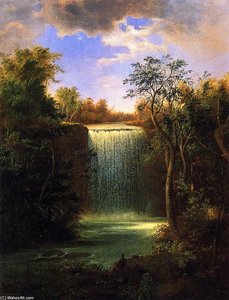
Landscape Mural

Discover Robert Scott Duncanson’s ‘Landscape Mural,’ a serene 1852 Hudson River School painting. Explore its romantic style, atmospheric perspective & the artist's legacy.

Robert S. Duncanson (1821-1872): Pionier der afroamerikanischen Landschaftsmalerei! Entdecken Sie seine idyllischen Ohio Valley-Blicke & mögliche Farbmetaphern im romantischen Stil.

Giclée / Kunstdruck

Giclée- oder Leinwanddruck in Museumsqualität mit schneller Produktion und flexiblen Veredelungsoptionen.

P118B $10
P118H $10
P118W $10
P438Z $10
P508JH $12
P508YH $12
P805H $10
P805Z $10
P919BZ $10
P919G $10
P919XJ $10
P959ZH $10
P968JZ $12
W106C $8
W218G $10
W218JH $8
W218Y $10
W307PJ $10
W316G $10
W316PJ $8
W316Y $10
W398PJ $8
W4111J $10
W500HY $15
W500JH $15
W692G $12
W849H $8
W940BG $15
W953PJ $8

Standard
custom
CM
INCH

Wählen Sie aus unseren vordefinierten Größen, die den ursprünglichen Proportionen des Kunstwerks entsprechen.

Breite
Höhe

Sie können Ihre eigenen Maße eingeben, um ein bestimmtes Format oder einen speziellen Platz einzupassen. Wenn das von Ihnen gewählte Format nicht den Proportionen des Originalbildes entspricht, werden wir das Kunstwerk entweder beschneiden oder das Bild mit einem gespiegelten oder einfarbigen Rand erweitern. Ein digitaler Entwurf wird Ihnen zur Genehmigung zugesandt, bevor die Produktion beginnt.

Bitte beachten Sie, dass die Vorschau auf dem Bildschirm nicht den tatsächlichen Zuschnitt oder die Erweiterung widerspiegelt. Nur der Entwurf zeigt die endgültige Komposition präzise an.
Obwohl Sondermaße verfügbar sind, empfehlen wir die Auswahl eines Maßes aus der vordefinierten Liste, um die ursprünglichen Proportionen zu bewahren.

Weltweiter Versand () innerhalb von 2 Wochen statt der üblichen 4/5 Wochen. (6 Juli)

why_choose_icon
Kostenloser weltweiter Expressversand
why_choose_icon
Hochwertige Leinenleinwand
why_choose_icon
Umfassender Versicherungsschutz beim Versand
why_choose_icon
Zollsteuer-Rückerstattungsgarantie
why_choose_icon
Garantie für echte Farbtreue
why_choose_icon
60-Tage-Rückgaberecht (nur bei Mängeln)
why_choose_icon
100% Geld-zurück-Garantie
why_choose_icon
Mengenrabatt verfügbar

Gesamtpreis

-

reproduction

Landscape Mural

Giclée / Kunstdruck

Größe der Reproduktion

-

Endpreis aller Optionen

-

Eckdaten auf einen Blick

  • Title: Landscape Mural
  • Subject or theme: Ohio Valley scenery
  • Artistic style: Pastoral, landscape
  • Medium: Oil on plaster
  • Influences:
    • Cole
    • European art
  • Movement: Hudson River School
  • Dimensions: 110 x 85 in.

Kunst-Quiz

Jede Frage hat nur eine richtige Antwort.

Frage 1:
What artistic movement is most closely associated with Robert Seldon Duncanson’s ‘Landscape Mural’?
Frage 2:
The ‘Landscape Mural’ depicts a scene primarily inspired by:
Frage 3:
What is a key characteristic of the painting technique used in ‘Landscape Mural’?
Frage 4:
Robert Seldon Duncanson is notable for being:
Frage 5:
Considering Duncanson’s background, what might be a potential interpretive meaning behind the ‘Landscape Mural’?

Beschreibung des Sammlerstücks

Robert Seldon Duncanson’s “Landscape Mural”: A Window into Romantic America

Robert Seldon Duncanson's "Landscape Mural," painted in 1852, isn’t merely a depiction of a serene vista; it’s a carefully constructed window into the heart of 19th-century American art and the evolving consciousness of its time. Commissioned by Nicholas Longworth, a prominent Cincinnati merchant and art patron, this monumental work—measuring an impressive 110 inches by 78 inches—represents a pivotal moment in Duncanson’s career and a significant contribution to the Hudson River School movement. More than just a pretty picture, it's a meditation on nature, spirituality, and the burgeoning sense of national identity taking shape within the United States.

The scene itself is deceptively simple: a winding river snakes through a densely wooded landscape, culminating in distant hills bathed in the soft light of a cloudy sky. Yet, beneath this apparent tranquility lies a complex layering of influences. Duncanson, deeply influenced by the European Romantic painters like Caspar David Friedrich and J.M.W. Turner, masterfully employs atmospheric perspective – a technique borrowed from the Northern Renaissance masters – to create an illusion of immense depth. The colors subtly shift with distance, suggesting both the vastness of the natural world and the limitations of human perception. The composition is carefully balanced, utilizing vertical elements like the trees to anchor the scene while the river provides a horizontal flow that guides the eye through the landscape.

A Pioneer’s Palette: Technique and Artistic Process

Duncanson's skill as a painter is evident in his meticulous attention to detail and his masterful use of oil paint. The brushstrokes are visible, contributing to the texture and richness of the scene—a hallmark of the Hudson River School style. He employed a layering technique, building up color gradually to achieve luminous effects and capturing the subtle nuances of light and shadow. Notably, Duncanson worked directly on the plaster walls of Longworth’s home, a practice known as “direct painting,” which allowed him to seamlessly integrate his artwork into the architecture. This method also meant that the mural was inherently tied to its environment, responding to the changing light and atmosphere within the room.

The choice of palette is particularly noteworthy. Duncanson favored muted earth tones—greens, browns, blues—creating a sense of quiet contemplation and harmony with nature. The subtle use of color evokes a feeling of nostalgia for a simpler time, reflecting the Romantic ideal of returning to nature as a source of spiritual renewal. He avoided dramatic contrasts or overly bright colors, opting instead for a more subdued and atmospheric approach that prioritized mood and emotion over literal representation.

Symbolism and the American Landscape

While superficially depicting a picturesque landscape, “Landscape Mural” is rich in symbolic meaning. The winding river can be interpreted as a metaphor for the journey of life, while the dense forest represents the mysteries and challenges that lie ahead. The distant hills symbolize aspiration and hope—a reminder of the potential for growth and fulfillment. Duncanson’s work reflects the growing American fascination with the natural world during this period, coinciding with westward expansion and the development of a distinct national identity.

Furthermore, Duncanson's background as an African American artist adds another layer of complexity to the mural's interpretation. Some scholars suggest that he subtly incorporated racial metaphors into his work, using the landscape to represent both the beauty and the challenges faced by Black Americans in a racially divided nation. The painting’s quiet dignity and contemplative mood can be seen as a powerful statement of resilience and hope in the face of adversity.

A Legacy of Beauty: Reproduction and Appreciation

Today, “Landscape Mural” stands as a testament to Duncanson's artistic vision and his enduring legacy. Reproductions offer a remarkable opportunity to experience the beauty and emotional depth of this iconic work. When selecting a reproduction, consider the quality of materials used—a high-quality print on archival paper will ensure that the colors remain vibrant for years to come. “Landscape Mural” continues to inspire artists and art lovers alike, reminding us of the power of nature to evoke emotion, stimulate contemplation, and connect us to something larger than ourselves.

Ähnliche Kunstwerke


Biografie des Künstlers

Robert Seldon Duncanson: Ein Leben und Vermächtnis

  • Geboren: Fayetteville, New York (um 1821)
  • Gestorben: 21. Dezember 1872
  • Herkunft: ArtsDot

Frühes Leben und künstlerische Entwicklung

  • Duncansons Familie war von europäischer und afrikanischer Abstammung. Sein Vater, John Dean Duncanson, war ein freier Schwarzer Handwerker, der seinen Kindern den Wert von harter Arbeit und Bildung vermittelte.
  • Die Familie zog nach Monroe, Michigan, wo Robert eine Lehre im Zimmermannshandtwerk und Malen absolvierte. Er zeigte frühzeitig Talent für Kunst, was ihn dazu veranlasste, die Porträtmalerei zu verfolgen.
  • Im Jahr 1840 zog er nach Cincinnati, Ohio, einem aufstrebenden Kulturzentrum, das als "Athens of the West" bekannt war. Dieses Umfeld bot Möglichkeiten für künstlerisches Wachstum und Exposition.
  • Duncanson war weitgehend autodidaktisch und studierte Drucke und Stiche, skizzierte aus der Natur und kopierte Werke anderer Künstler. Er hatte keine formale Ausbildung, entwickelte aber ein scharfes Auge und handwerkliches Geschick.

Künstlerischer Stil und Einflüsse

  • Einfluss der Hudson River School: Duncansons Stil wurde stark von der Hudson River School der Landschaftsmalerei beeinflusst, die für ihre romantischen Darstellungen amerikanischer Wildnis bekannt ist. Künstler wie Thomas Cole waren bedeutende Inspirationen.
  • Landschaftsfokus: Er verlagerte seinen Schwerpunkt von Porträts hin zur Landschaftsmalerei und fing Szenen des Ohio River Valley und darüber hinaus ein.
  • Romantik: Seine Werke vermittelten oft ein Gefühl von Grandiosität, Ruhe und spiritueller Verbindung mit der Natur, was für den Romanticismus typisch ist.
  • Farbpalette & Technik: Duncanson verwendete eine reiche Farbpalette und sorgfältige Details in seinen Gemälden und demonstrierte so die Beherrschung seiner Technik.

Wichtige Errungenschaften und Anerkennung

  • Frühe Ausstellungen: Seine Werke wurden bereits 1842 an der Cincinnati Academy of Fine Arts ausgestellt, was ihm Anerkennung innerhalb der lokalen Kunstgemeinschaft einbrachte.
  • Europäische Reise (1853-1854): Ein bedeutender Wendepunkt in seiner Karriere war eine Reise nach Europa, wo er europäische Meister studierte und seinen künstlerischen Horizont erweiterte.
  • Internationale Anerkennung: Duncanson erlangte internationale Anerkennung und stellte seine Werke in England, Schottland, Kanada und den Vereinigten Staaten aus. Er wurde der erste afroamerikanische Künstler, der eine so breite Anerkennung fand.
  • Ohio River Valley Tradition: Er spielte eine Schlüsselrolle bei der Entwicklung der Ohio River Valley Landschaftstradition und leistete einen bedeutenden Beitrag zu ihrer künstlerischen Identität.

Historische Bedeutung und Vermächtnis

  • Pionier für Schwarze Künstler: Duncansons Erfolg brach Barrieren für afroamerikanische Künstler in einer Zeit des Rassismus und der Diskriminierung auf. Er diente zukünftigen Generationen als Inspiration.
  • Racial Identity in Art: Kunsthistoriker diskutieren, inwieweit seine Rasse seinen künstlerischen Ausdruck beeinflusste, wobei einige subtile symbolische Darstellungen rassistischer Themen innerhalb seiner Landschaften vermuten.
  • Vergessene Figur wiederentdeckt: Für viele Jahre wurde Duncansons Werk weitgehend übersehen. Jüngste Forschungen und Ausstellungen haben die Aufmerksamkeit auf seine Beiträge zur amerikanischen Kunstgeschichte neu gelenkt.
  • Ein Beweis für Widerstandsfähigkeit: Sein Lebensweg ist ein Beweis für die Widerstandsfähigkeit und das Talent afroamerikanischer Menschen angesichts von Widrigkeiten und demonstriert ihre Fähigkeit, künstlerische Exzellenz trotz systemischer Herausforderungen zu erreichen.
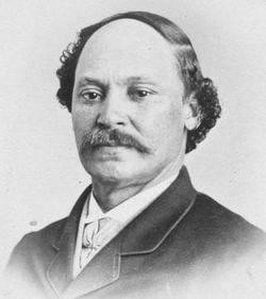
Robert Seldon Duncanson

Robert Seldon Duncanson

1821 - 1872 , Vereinigte Staaten von Amerika

Kurzinfos

  • Beeinflusste Künstler: ['Thomas Cole']
  • Bemerkenswerte Werke:
    • Rosen Stillleben
    • Wasserfall Minnehaha
    • Vulture and Its Prey
  • Geburtsdatum: ca. 1821
  • Geburtsort: Fayetteville, USA
  • Künstlerische Bewegung: Hudson River School
  • Nationalität: Amerikanisch
  • Sterbedatum: 21. Dezember 1872
  • Vollständiger Name: Robert Seldon Duncanson
Entdecken Sie Kunstwerke, die nach Themen, Stilen und Merkmalen sortiert sind.