Vorschau anzeigenVorschau anzeigen In AR erlebenIn AR erleben Handgemalte Reproduktion bestellen Handgemalte Reproduktion bestellenSwitch to Digital Image Switch to Digital Image VersendenVersenden
Details anzeigenDetails anzeigen Zu Favoriten hinzufügen Zu Favoriten hinzufügen HerunterladenHerunterladen Ähnliche ObjekteÄhnliche Objekte RöntgenaufnahmeRöntgenaufnahme DiashowDiashow StatsStats

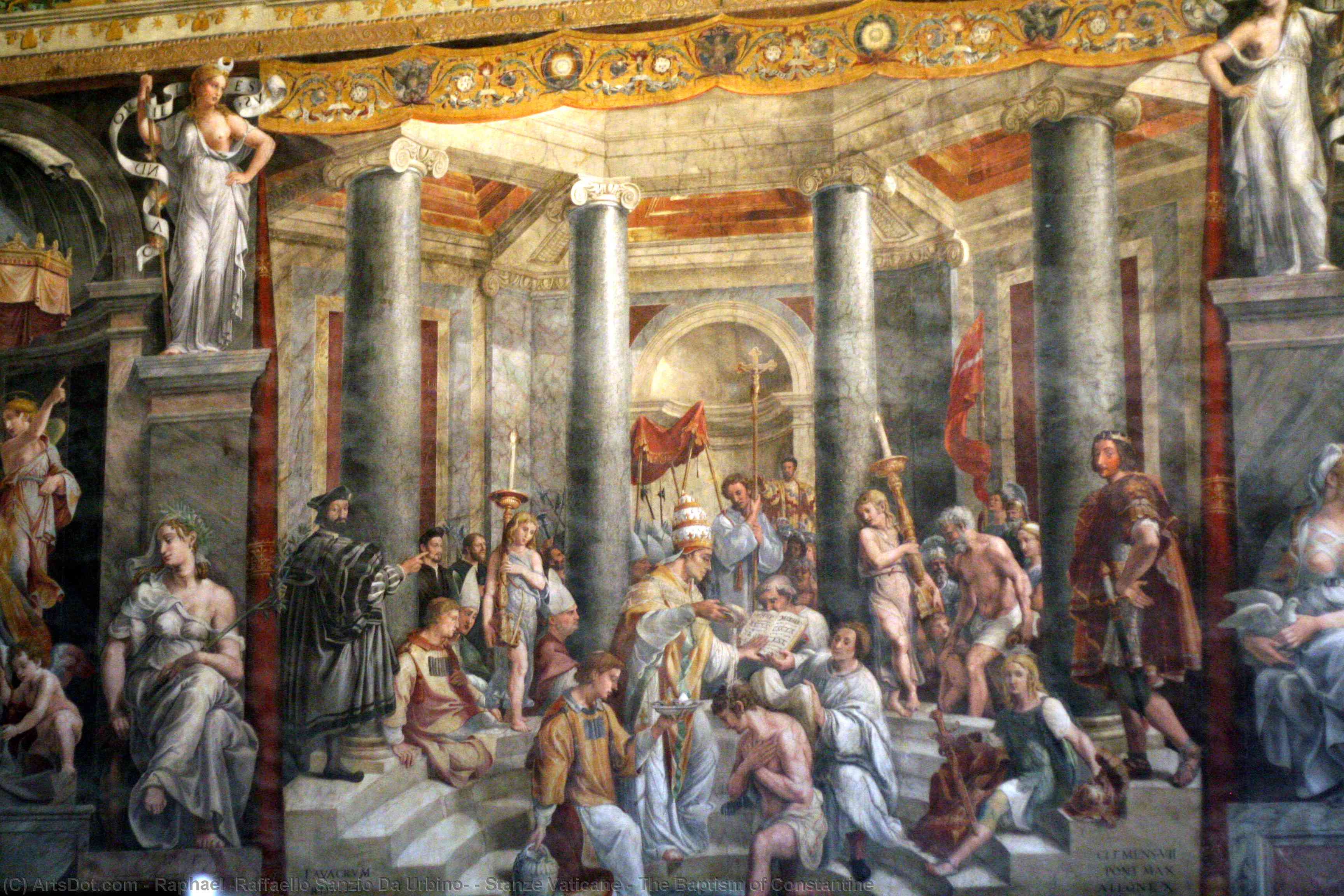
Stanze Vaticane - The Baptism of Constantine

Raphael’s breathtaking Stanze Vaticane – The Baptism of Constantine captures the solemn grandeur of Early Byzantine art, showcasing harmonious composition and luminous color palettes within a masterful fresco depicting Constantine's pivotal baptism.

Entdecken Sie Raffael (1483-1520), den italienischen Meister der Hochrenaissance, der für seine Anmut, Klarheit und harmonischen Kompositionen bekannt ist. Erkunden Sie ikonische Werke wie 'Die Akademie der Künste', Madonnen und Fresken, die klassische Schönheit definieren. #Hochrenaissance #Italien

Giclée / Kunstdruck

Giclée- oder Leinwanddruck in Museumsqualität mit schneller Produktion und flexiblen Veredelungsoptionen. (Handgemalte Reproduktion bestellen Handgemalte Reproduktion bestellenSwitch to Digital Image Switch to Digital Image)

P118B $10
P118H $10
P118W $10
P438Z $10
P508JH $12
P508YH $12
P805H $10
P805Z $10
P919BZ $10
P919G $10
P919XJ $10
P959ZH $10
P968JZ $12
W106C $8
W218G $10
W218JH $8
W218Y $10
W307PJ $10
W316G $10
W316PJ $8
W316Y $10
W398PJ $8
W4111J $10
W500HY $15
W500JH $15
W692G $12
W849H $8
W940BG $15
W953PJ $8

Standardformat
individuell anpassbar
CM
INCH

Wählen Sie aus unseren vordefinierten Formaten, die den ursprünglichen Proportionen des Kunstwerks entsprechen.

Breite
Höhe

Sie können Ihre eigenen Maße eingeben, um ein bestimmtes Format oder einen speziellen Platz einzupassen. Wenn das von Ihnen gewählte Format nicht den Proportionen des Originalbildes entspricht, werden wir das Kunstwerk entweder beschneiden oder das Bild mit einem gespiegelten oder einfarbigen Rand erweitern. Ein digitaler Entwurf wird Ihnen zur Genehmigung zugesandt, bevor die Produktion beginnt.
Bitte beachten Sie, dass die Vorschau auf dem Bildschirm nicht den tatsächlichen Zuschnitt oder die Erweiterung widerspiegelt. Nur der Entwurf zeigt die endgültige Komposition präzise an.
Obwohl Sondermaße verfügbar sind, empfehlen wir die Auswahl eines Maßes aus der vordefinierten Liste, um die ursprünglichen Proportionen zu bewahren.

Weltweiter Versand () innerhalb von 2 Wochen statt der üblichen 4/5 Wochen. (8 September)

why_choose_icon
Kostenloser weltweiter Expressversand
why_choose_icon
Hochwertige Leinenleinwand
why_choose_icon
Umfassender Versicherungsschutz beim Versand
why_choose_icon
Zollgebühren-Rückerstattungsgarantie
why_choose_icon
Garantie für exakte Farbtreue
why_choose_icon
100-Tage-Rückgaberecht (nur bei Mängeln)
why_choose_icon
100% Geld-zurück-Garantie
why_choose_icon
Mengenrabatt verfügbar

Gesamtpreis

$ 68

reproduction

Stanze Vaticane - The Baptism of Constantine

Giclée / Kunstdruck

Format der Reproduktion

-

Gesamtpreis

$ 68

Eckdaten

  • Title: Stanze Vaticane - The Baptism of Constantine
  • Artist: Raphael
  • Movement: Early Byzantine Art
  • Artistic style: Renaissance Style
  • Medium: Fresco
  • Notable elements or techniques: Classical forms & harmonious comp.
  • Subject or theme: Christianity

Stanze Vaticane - The Baptism of Constantine: A Symphony of Faith and Classical Grace

The Stanze Vaticane – The Baptism of Constantine by Raphael stands as an enduring testament to the artistic brilliance of the High Renaissance, a fresco that transcends mere depiction to embody the spiritual fervor of its time. Located within the Apostolic Palace in Rome, this monumental artwork is not simply a visual record; it’s a carefully crafted narrative designed to communicate profound theological concepts through masterful technique and harmonious composition. Its enduring appeal lies in its ability to resonate with viewers across centuries, captivating imaginations with its luminous colors and serene beauty.

Historical Context: Constantine's Conversion and the Dawn of Christian Patronage

The painting commemorates a pivotal moment in European history – Emperor Constantine I’s conversion to Christianity in 312 AD. Prior to this event, Christianity faced persecution under Roman emperors; however, Constantine’s victory at Milvian Bridge marked a dramatic shift, propelling Christianity into the mainstream of imperial power and ushering in an era of unprecedented patronage for religious art. Pope Sylvester I commissioned Raphael to depict this transformative occasion, recognizing the importance of commemorating such a significant spiritual milestone. The fresco reflects the burgeoning humanist spirit of the Renaissance alongside deep-seated Christian beliefs, demonstrating how intellectual curiosity fueled artistic innovation.

Style and Technique: Raphael’s Classical Influence

Raphael's distinctive style is immediately recognizable—a harmonious blend of classical ideals with Byzantine influences. He meticulously studied the sculptures of antiquity, particularly those of Michelangelo Buonarroti, incorporating elements of sculptural form into his fresco cycle. The use of *sfumato*, a technique pioneered by Leonardo da Vinci, lends an ethereal quality to the figures and drapery, blurring outlines and creating subtle gradations of light and shadow that imbue the scene with depth and realism. Raphael’s masterful handling of color—particularly the rich reds and blues—creates a vibrant palette that enhances the emotional impact of the composition. The fresco employs linear perspective, skillfully positioning the viewer within the space depicted and reinforcing the sense of grandeur and solemnity.

Symbolism: Representing Divine Grace and Imperial Legitimacy

The Stanze Vaticane is replete with symbolic imagery designed to convey theological significance. Constantine’s baptism represents purification from sin and acceptance of divine grace—a central tenet of Christian faith. The horse, traditionally associated with imperial power, symbolizes the emperor's dominion over pagan rulers and his embrace of Christianity as a unifying force. Pope Sylvester I stands as a figure of authority and piety, representing the Church’s role in guiding humanity towards spiritual enlightenment. Furthermore, the architectural setting—the Vatican Basilica—underscores the sanctity of the occasion and reinforces its importance within Christian tradition.

Emotional Impact: Tranquility Amidst Triumph

Despite depicting a momentous historical event, Raphael achieves an extraordinary feat of artistic serenity. The figures are rendered with dignified composure, conveying both solemn reverence and palpable emotion. The luminous colors and harmonious composition evoke a sense of tranquility that contrasts sharply with the turbulent political landscape of Constantine’s time. Viewing this fresco inspires contemplation on faith, conversion, and the enduring power of art to communicate profound spiritual truths—a legacy that continues to captivate audiences today.

Über den Künstler

**frühes Leben und Ausbildung**

Raphael (Raffaello Sanzio da Urbino), ein renommierter italienischer Maler und Architekt, wurde zwischen dem 28. März und dem 6. April 1483 in der kleinen, aber kulturell bedeutenden Stadt Urbino geboren. Sein Vater, Giovanni Santi, war Hofmaler des Herzogs und vermittelte Raphael von Anfang an eine frühe Auseinandersetzung mit der künstlerischen Welt. Nach dem Tod seines Vaters im Alter von elf Jahren betrieb Raphael wahrscheinlich die Familienwerkstatt weiter, was seine künstlerische Grundlage festigte.

**Künstlerischer Werdegang und Einflüsse**

Raphaels künstlerischer Weg lässt sich in drei verschiedene Phasen einteilen, jede mit einem einzigartigen Stil gekennzeichnet:
  • Frühe Jahre in Umbrien: Charakterisiert durch den Einfluss seines Vaters und die kulturelle Atmosphäre von Urbino.
  • Florentinische Periode (1504-1508): Aufnahme der künstlerischen Traditionen Florenz, die seinen Stil maßgeblich prägte.
  • Römische Periode (1508-1520): Arbeitete für zwei Päpste und ihre Mitarbeiter und schuf einige seiner bekanntesten Werke, darunter die Schule der Athene in der Vatikanische Stanza della Segnatura.

**Bekannte Werke und Vermächtnis**

Einige der bekannten Werke von Raphael sind:

**Einfluss und Vermächtnis**

Raphaels Einfluss auf die Kunst ist tiefgreifend, wobei sein Werk ein Eckpfeiler der Hochrenaissance darstellt. Sein ruhiger und harmonischer Stil war ein Vorbild für die neoklassische Malerei, wie von Kunsthistoriker Johann Joachim Winckelmann bemerkt. Trotz des späteren Einflusses von Michelangelos Stil bleibt Raphael einer der verehrtesten Künstler in der Geschichte. ansicht des Profils von Raphael auf WahooArt
Raffael

Raffael

1483 - 1520 , Italien

Kurzinfos

  • Beeinflusste Künstler:
    • Giovanni Santi
    • Pietro Perugino
  • Bemerkenswerte Werke:
    • Das Urteil des Salomon
    • Esterházy-Madonna
    • Die Schule der Athener
    • St. Sebastian
    • La Donna Velata
  • Einfluss Auf Kunst: Neoklassische Malerei
  • Geburtsdatum: 1483
  • Geburtsort: Urbino, Italien
  • Künstlerischer Stil: Hochrenaissance
  • Nationalität: Italienisch
  • Todatum: 1520
  • Vollständiger Name: Raffaello Sanzio da Urbino
  • Von Künstlern Beeinflusst:
    • Leonardo da Vinci
    • Michelangelo
Entdecken Sie Kunstwerke, die nach Themen, Stilen und Merkmalen sortiert sind.