Biografie des Künstlers
Ein Erbe aus Stein: Das Leben und Werk von Pierre-Jean David d’Angers
Pierre-Jean David, geboren 1789 in Angers, Frankreich, begann seine künstlerische Reise inmitten des republikanischen Enthusiasmus, der sein Leben und Werk maßgeblich prägen sollte. Zunächst als Holzbildhauer – sein Vater war Holzschnitzer – angehender Künstler, zeigte David von Anfang an eine Begabung für die Skulptur, die ihn zu größeren Ambitionen trieb. Im Jahr 1808 kam er nach Paris, einer Stadt, die sowohl klassische Traditionen als auch den revolutionären Geist vereinte, um sich der Ausbildung bei Philippe-Laurent Roland an der École des Beaux-Arts zu unterziehen. Diese Zeit war von grundlegender Bedeutung und festigte seine Kenntnisse der neoklassischen Prinzipien, während sie ihn gleichzeitig dem aufkeimenden Romantik-Bewegung aussetzte. Ein entscheidendes Ereignis ereignete sich 1809, als er in das Atelier des gefeierten Malers Jacques-Louis David eintrat und den Namen “David d’Angers” annahm – nicht nur als professionelle Bezeichnung, sondern auch als bewusste Afferation der Abstammung und künstlerischen Ambitionen. Diese Annahme bedeutete einen Wunsch nach eigener Gestaltungskraft, während gleichzeitig die tiefgreifende Einflüsse der Epoche auf ihn zukommen sollten. Die frühen Jahre in Paris waren von Schwierigkeiten geprägt, doch er gab nicht auf, erkämpfte sich Anerkennung mit Werken wie “Othryades” im Jahr 1810 und sicherte sich schließlich 1811 den renommierten Prix de Rome für seine Skulptur “Epaminondas”.
Von der Römerphantasie zur Neoklassischen Meisterschaft
Die fünf Jahre, die David d’Angers in Rom verbrachte – von 1811 bis 1816 –, erwiesen sich als transformativ. Eingebettet in die Welt der klassischen Antike und unter dem Einfluss von Meistern wie Antonio Canova reifte seine künstlerische Vision. Er verschmorte sich die Ideale der griechischen Skulptur – die Betonung idealisierter Form, heroischer Erzählungen und emotionaler Zurückhaltung – doch begann er, diese Prinzipien mit einer eigenständigen Sensibilität zu versehen. Diese Periode war nicht nur eine akademische Beschäftigung; sie war auch eine Zeit politischer Erleuchtung. Die Restauration der Bourbonenmonarchie in Frankreich warf einen Schatten auf seine Rückkehr und führte zu einem kurzen Aufenthalt in England, wo er die Begegnung mit La Bête Noire hatte. Zurück in Paris fand sein Talent jedoch schnell Gunst, insbesondere durch die Erstellung von Porträtmedaillen – detailgetreue und psychologisch tiefgründige Darstellungen prominenter Persönlichkeiten –, sowie monumentaler Skulpturen, die bürgerliche Tugenden und nationale Helden feierten. Seine Arbeiten an der Arc de Triomphe und im Louvre demonstrierten eine frühe Meisterschaft bei der Bewältigung ambitionierter Aufträge und etablierten ihn als Bildhauer, der in der Lage war, bedeutende Projekte zu realisieren.
Ein Bildhauer von Helden und Idealen
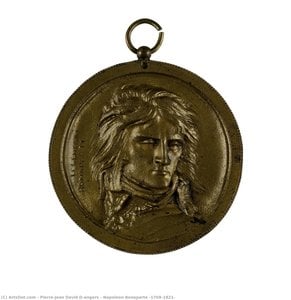
Davids künstlerische Produktion war bemerkenswert vielfältig und umfasste Statuen, Reliefs, Grabmalkunst und, vor allem, Porträtmedaillen. Er besass eine außergewöhnliche Fähigkeit, nicht nur das physische Erscheinungsbild, sondern auch den inneren Charakter seiner Sujets einzufangen. Seine Porträts waren nicht einfach Darstellungen; sie waren Interpretationen – durchdrungen von einem Sinn für Würde, Intelligenz und moralische Stärke. Zu seinen berühmtesten Werken gehören “Wounded Philopoemen”, das im Louvre ausgestellt ist, eine ergreifende Darstellung des Schicksals des griechischen Generals, und “La Douleur”, die seine Meisterschaft der emotionalen Ausdruckskraft demonstriert. Doch es war seine monumentalen Aufträge, die seinen Ruf festigten. Die pedimentale Skulptur für den Panthéon in Paris stellt ein Höhepunkt seiner Karriere dar – eine weitreichende allegorische Darstellung französischer Patriotismus und intellektueller Erbe. Andere bemerkenswerte Werke sind das Denkmal für Gutenberg in Straßburg und die monumentale Pferdestatue von General Gobert im Père Lachaise-Friedhof, beide Zeugnisse seiner Fähigkeit, Macht und Dynamik durch skulpturale Form zu vermitteln. Er schuf auch ein Porträt von Lafayette für den Kongress der Vereinigten Staaten, ein Symbol der franco-amerikanischen Freundschaft.
Die Einflüsse und das historische Umfeld
Pierre-Jean David d’Angers war mehr als nur ein Bildhauer; er war ein Produkt seiner Zeit – ein Zeuge der Revolution, des Kaiserreiches und der Restauration. Sein Kunstwerk spiegelt die politischen und intellektuellen Strömungen wider, die das 19. Jahrhundert in Frankreich prägten. Er nahm republikanische Ideale an und feierte Figuren, die Mut, Integrität und Hingabe am öffentlichen Dienst verkörperten. Während er fest in der neoklassischen Tradition verwurzelt war, deuteten seine Werke auch auf den Aufstieg der Romantik hin, mit ihrer Betonung emotionaler Intensität und dramatischer Erzählweise. Sein Einfluss erstreckte sich über die Bildhauerei hinaus und inspirierte Generationen von Künstlern und prägte das visuelle Erscheinungsbild Frankreichs. Seine Werke befinden sich heute in bedeutenden Museen auf der ganzen Welt, darunter das Walters Art Museum in Baltimore und das Metropolitan Museum of Art in New York. Das David-Museum in Angers dient als engagierter Speicherort für sein Werk und bewahrt sein Erbe für zukünftige Generationen.
Ein bleibendes Vermächtnis: Legat und historische Bedeutung
Pierre-Jean David d’Angers bleibt eine faszinierende Figur – ein Bildhauer, der nicht nur die Erscheinung von Helden festhielt, sondern auch den Geist einer Epoche verkörperte. Seine Kunst fängt die Darstellung von Helden und Idealen ein, die das 19. Jahrhundert in Frankreich prägten. Er nahm republikanische Ideale an und feierte Figuren, die Mut, Integrität und Hingabe am öffentlichen Dienst verkörperten. Während er fest in der neoklassischen Tradition verwurzelt war, deuteten seine Werke auch auf den Aufstieg der Romantik hin, mit ihrer Betonung emotionaler Intensität und dramatischer Erzählweise. Sein Einfluss erstreckte sich über die Bildhauerei hinaus und inspirierte Generationen von Künstlern und prägte das visuelle Erscheinungsbild Frankreichs.



 Zum Druck wechseln
 Versenden als Grußkarte
 Teilen
 Details anzeigen
 Leitfaden

 Herunterladen
 Ähnliche Objekte
 Diashow
 Besucherstatistiken


 Mehr anzeigen






































 Die Glasoption ist nur für Größen unter 110 cm verfügbar.