Kostenlose Kunstberatung

x
Gemälde kaufen Gemälde kaufenBild kaufen Bild kaufen VersendenVersenden
Details anzeigenDetails anzeigen Zu Favoriten hinzufügen Zu Favoriten hinzufügen HerunterladenHerunterladen Ähnliche ObjekteÄhnliche Objekte RöntgenaufnahmeRöntgenaufnahme Diashow anzeigenDiashow anzeigen

Paul Cézanne

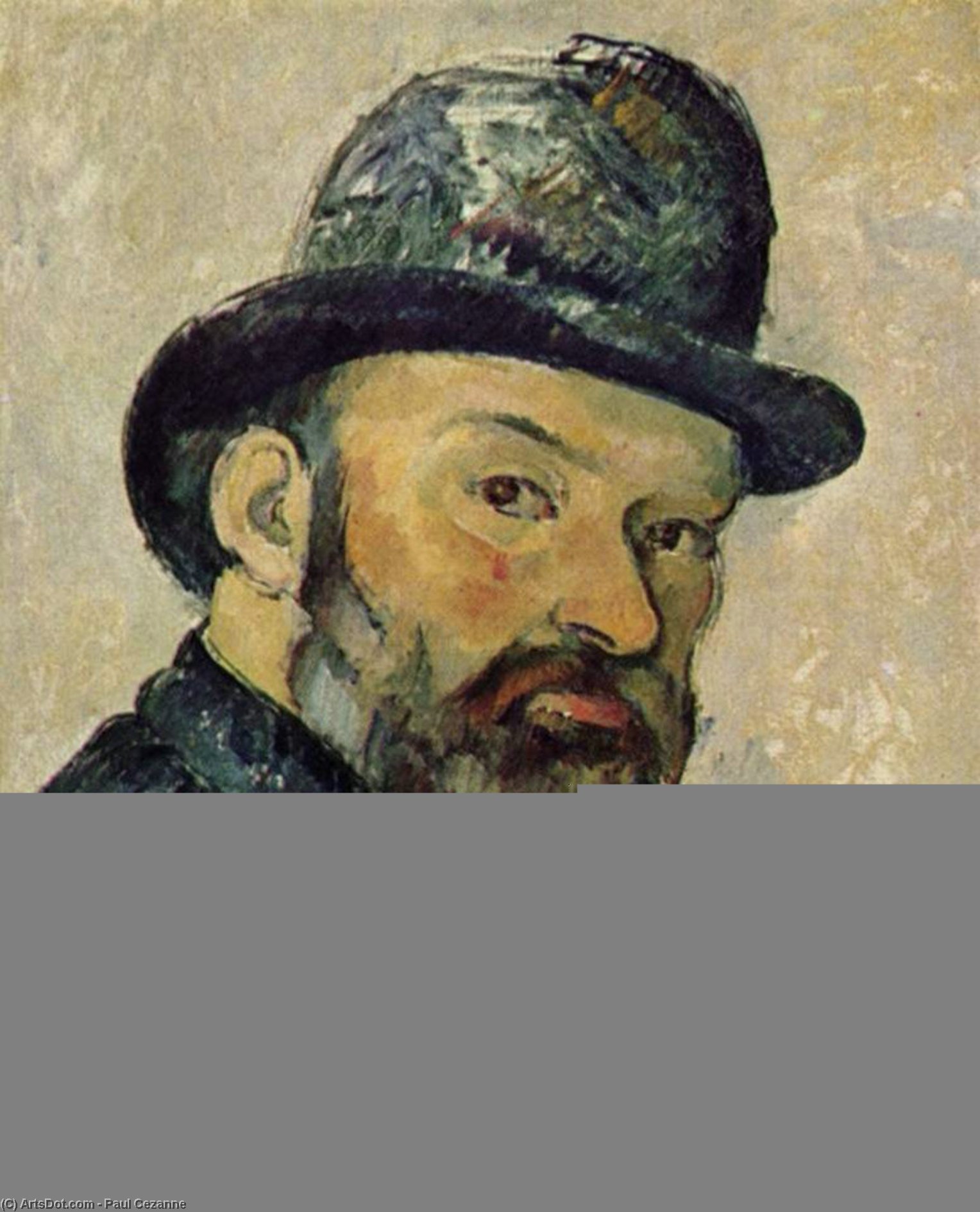
Ein Meisterwerk von Paul Cézanne: Selbstbildnis (1887). Revolutionäre Postimpressionismus und die Suche nach neuen künstlerischen Ausdrucksformen – Schlüssel zur modernen Kunst!

Erkunden Sie die revolutionäre Kunst von Paul Cézanne (1839–1906), einem Postimpressionisten, der Impressionismus und Kubismus miteinander verband. Entdecken Sie seine geometrischen Formen, seine einzigartigen Pinselstriche, Stilllebenmalereien und seinen bleibenden Einfluss auf die moderne Kunst. #Cézanne #PostImpressionismus

Giclée / Kunstdruck

Giclée- oder Leinwanddruck in Museumsqualität mit schneller Produktion und flexiblen Veredelungsoptionen.

P118B $10
P118H $10
P118W $10
P438Z $10
P508JH $12
P508YH $12
P805H $10
P805Z $10
P919BZ $10
P919G $10
P919XJ $10
P959ZH $10
P968JZ $12
W106C $8
W218G $10
W218JH $8
W218Y $10
W307PJ $10
W316G $10
W316PJ $8
W316Y $10
W398PJ $8
W4111J $10
W500HY $15
W500JH $15
W692G $12
W849H $8
W940BG $15
W953PJ $8

Standard
custom
CM
INCH

Wählen Sie aus unseren vordefinierten Größen, die den ursprünglichen Proportionen des Kunstwerks entsprechen.

Breite
Höhe

Sie können Ihre eigenen Maße eingeben, um ein bestimmtes Format oder einen speziellen Platz einzupassen. Wenn das von Ihnen gewählte Format nicht den Proportionen des Originalbildes entspricht, werden wir das Kunstwerk entweder beschneiden oder das Bild mit einem gespiegelten oder einfarbigen Rand erweitern. Ein digitaler Entwurf wird Ihnen zur Genehmigung zugesandt, bevor die Produktion beginnt.
Bitte beachten Sie, dass die Vorschau auf dem Bildschirm nicht den tatsächlichen Zuschnitt oder die Erweiterung widerspiegelt. Nur der Entwurf zeigt die endgültige Komposition präzise an.
Obwohl Sondermaße verfügbar sind, empfehlen wir die Auswahl eines Maßes aus der vordefinierten Liste, um die ursprünglichen Proportionen zu bewahren.

Weltweiter Versand () innerhalb von 2 Wochen statt der üblichen 4/5 Wochen. (4 Juli)

why_choose_icon
Kostenloser weltweiter Expressversand
why_choose_icon
Hochwertige Leinenleinwand
why_choose_icon
Umfassender Versicherungsschutz beim Versand
why_choose_icon
Zollsteuer-Rückerstattungsgarantie
why_choose_icon
Garantie für echte Farbtreue
why_choose_icon
60-Tage-Rückgaberecht (nur bei Mängeln)
why_choose_icon
100% Geld-zurück-Garantie
why_choose_icon
Mengenrabatt verfügbar

Gesamtpreis

-

reproduction

Paul Cézanne

Giclée / Kunstdruck

Größe der Reproduktion

-

Endpreis aller Optionen

-

Eckdaten auf einen Blick

  • Title: Self-Portrait
  • Influences: Impressionism
  • Artistic style: Geometric abstraction
  • Medium: Oil on canvas
  • Location: Kunstmuseum Bern
  • Movement: Post-Impressionism
  • Dimensions: 44 x 36 cm

Kunst-Quiz

Jede Frage hat nur eine richtige Antwort.

Frage 1:
What artistic movement is Paul Cézanne primarily associated with?
Frage 2:
Where is 'Self-Portrait' currently housed?
Frage 3:
What technique did Cézanne use to create the painting?
Frage 4:
Who acknowledged Cézanne as 'the father of us all'?
Frage 5:
What is a notable characteristic of Cézanne’s brushwork described in the text?

Beschreibung des Sammlerstücks

Paul Cézanne’s Self Portrait: A Revolutionary Exploration of Form and Emotion

Paul Cézanne's Self Portrait, painted in 1887, stands as an emblem of artistic transformation—a pivotal moment marking the transition from Impressionism to Cubism. More than just a depiction of the artist himself, it embodies Cézanne’s groundbreaking approach to painting, prioritizing underlying structure and formal qualities over mere optical representation. Located at the Kunstmuseum Bern in Switzerland, this canvas invites contemplation on Cézanne's artistic vision and its enduring influence on modern art history.

Early Influences and Artistic Evolution

Cézanne’s formative years were steeped in Romanticism and Realism, notably evidenced by his murals adorning Jas de Bouffan—a testament to the grandeur of nature and a fascination with expressive brushwork. However, Cézanne swiftly rejected these conventions, embarking on an intensive investigation into Impressionist techniques while simultaneously forging his distinctive style. This dual pursuit is brilliantly captured in Self Portrait, where he meticulously dissects observed forms, mirroring his broader ambition to liberate painting from its constraints. The deliberate layering of color and texture reflects a profound desire to transcend superficial appearances—a characteristic that would define Cézanne’s oeuvre throughout his career.

Characteristics of the Painting: A Detailed Examination

Measuring 44 x 36 cm, Self Portrait presents a man seated before a mirror, gazing directly at the viewer with an unwavering gaze. The artist wears a hat adorned with a feather—a subtle gesture hinting at Cézanne’s preoccupation with decorative elements and his rejection of academic idealism. Beneath the hat is a face etched with lines of experience, framed by a meticulously rendered mustache and goatee—features that contribute to Cézanne's recognizable persona. Two figures stand in the background, positioned slightly off-center and rendered with less detail than the central subject—a compositional choice designed to heighten the sense of depth and create an illusionistic space. Cézanne’s brushstrokes are characterized by their rhythmic repetition and directional movement, creating a palpable texture that conveys both solidity and fluidity. The palette is subdued, dominated by earthy tones—browns, ochres, and reds—which lend the portrait a solemn dignity.

Symbolism and Artistic Significance: Beyond Representation

The painting transcends mere likeness; it embodies Cézanne’s profound engagement with philosophical ideas concerning perception and representation. His use of geometric forms—particularly the pyramid structure underlying the head—reflects his conviction that art should strive for an objective depiction of reality, prioritizing structural integrity over optical illusion. This approach aligns seamlessly with the burgeoning Cubist movement, foreshadowing a radical reimagining of artistic conventions. Cézanne’s Self Portrait wasn't merely celebrated by fellow artists like Camille Pissarro and Ambroise Vollard—who championed his work and secured its place in art history—but also garnered admiration from figures as diverse as Henri Matisse and Pablo Picasso, who acknowledged Cézanne as “the father of us all.”

Legacy and Enduring Relevance: An Inspiration for Generations

The exhibition at Vollard’s gallery in 1895 served as a catalyst for broader critical engagement with Cézanne's artistic vision. Artists like Matisse and Picasso recognized the transformative potential of Cézanne’s method—a rejection of Impressionistic idealism in favor of an exploration of underlying structure and formal qualities. Cézanne’s influence extends far beyond Cubism, permeating Expressionism and informing countless subsequent artists who sought to convey emotion through abstraction. Today, Self Portrait continues to resonate with audiences worldwide, serving as a poignant reminder of Cézanne's unwavering commitment to artistic innovation—a legacy that secures his position as one of the most influential figures in modern art. Experience the art of Paul Cézanne with WahooArt.com.

Biografie des Künstlers

frühes Leben und Einflüsse

Paul Cézanne, ein französischer Post-Impressionist-Maler, wurde am 19. Januar 1839 in Aix-en-Provence, Frankreich, geboren. Sein frühes Leben war geprägt von einer starken Verbindung zu seiner Familie’s Bankgeschäft, das ihm finanzielle Sicherheit verschaffte. Dies ermöglichte es ihm, sich ohne finanziellen Druck auf seine künstlerischen Bestrebungen zu konzentrieren. Les Nabis, Neo-Impressionismus und Symbolismus beeinflussten Cézannes frühe Arbeit, die sich durch seinen Schwerpunkt auf geometrische Formen und eine reduzierte Farbpalette auszeichnete. Sein Interesse an den Werken von Paul Gauguin und Georges Seurat festigte seinen Post-Impressionismusstil.

Künstlerischer Stil und Techniken

Cézannes innovative Verwendung von Farbflächen und kleinen, sich wiederholenden Pinselstrichen schuf komplexe Felder, die seine intensive Beschäftigung mit den Motiven widerspiegelten. Sein oft explorativer Ansatz in der Kunst führte zur Entwicklung einer neuen bildlichen Sprache, die die zugrunde liegende Struktur von Objekten in einer Komposition betonte.

Vermächtnis und Einfluss

Cézannes bahnbrechende Arbeit im Post-Impressionismus ebnete den Weg für verschiedene Avantgarde-Bewegungen, darunter Kubismus, Fauvismus und Surrealismus. Sein Einfluss ist in den Werken von Pablo Picasso, Henri Matisse und Georges Braque zu sehen. Cézannes Vermächtnis inspiriert weiterhin Künstler und Kunstinteressierte gleichermaßen und festigt seinen Platz als eine zentrale Figur in der Geschichte der modernen Kunst.
Paul Cézanne

Paul Cézanne

1839 - 1906 , Frankreich

Kurzinfos

  • Beeinflusste Künstler:
    • Paul Gauguin
    • Georges Seurat
  • Bemerkenswerte Werke:
    • Der Teich in Jas de Bouffan
    • Porträt von Émile Zola
    • Wald
    • Mont Sainte-Victoire
  • Geburtsdatum: 19. Januar 1839
  • Geburtsort: Aix-en-Provence, Frankreich
  • Künstlerische Bewegung: Postimpressionismus
  • Nationalität: Französisch
  • Sterbedatum: 1906
  • Vollständiger Name: Paul Cézanne
  • Von Ihm Beeinflusste Künstler:
    • Pablo Picasso
    • Henri Matisse
    • Georges Braque
Entdecken Sie Kunstwerke, die nach Themen, Stilen und Merkmalen sortiert sind.