Kostenlose Kunstberatung

x
Gemälde kaufen Gemälde kaufenBild kaufen Bild kaufen VersendenVersenden
DetailsDetails Zu Favoriten hinzufügen Zu Favoriten hinzufügen HerunterladenHerunterladen Ähnliche ObjekteÄhnliche Objekte RöntgenaufnahmeRöntgenaufnahme Diashow anzeigenDiashow anzeigen

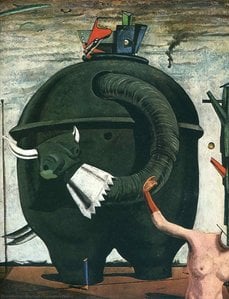
Dadá-Gaugin

Max Ernst’s surreal "Dadá-Gaugin" depicts enigmatic figures within a complex, dreamlike scene reflecting the artist's intellectual and psychological explorations of the early 20th century. Discover this captivating artwork and bring its unique vision home.

Erkunden Sie die surreale Welt von Max Ernst (1891-1976), einem Pionier des Dadaismus und Surrealismus! Entdecken Sie seine innovativen Frottagen, Collagen und traumhaften Gemälde mit Vögeln, Landschaften und psychologischen Themen. #MaxErnst #Surrealismus #Dada

Giclée / Kunstdruck

Giclée- oder Leinwanddruck in Museumsqualität mit schneller Produktion und flexiblen Veredelungsoptionen.

P118B $10
P118H $10
P118W $10
P438Z $10
P508JH $12
P508YH $12
P805H $10
P805Z $10
P919BZ $10
P919G $10
P919XJ $10
P959ZH $10
P968JZ $12
W106C $8
W218G $10
W218JH $8
W218Y $10
W307PJ $10
W316G $10
W316PJ $8
W316Y $10
W398PJ $8
W4111J $10
W500HY $15
W500JH $15
W692G $12
W849H $8
W940BG $15
W953PJ $8

Standard
custom
CM
INCH

Wählen Sie aus unseren vordefinierten Größen, die den ursprünglichen Proportionen des Kunstwerks entsprechen.

Breite
Höhe

Sie können Ihre eigenen Maße eingeben, um ein bestimmtes Format oder einen speziellen Platz einzupassen. Wenn das von Ihnen gewählte Format nicht den Proportionen des Originalbildes entspricht, werden wir das Kunstwerk entweder beschneiden oder das Bild mit einem gespiegelten oder einfarbigen Rand erweitern. Ein digitaler Entwurf wird Ihnen zur Genehmigung zugesandt, bevor die Produktion beginnt.
Bitte beachten Sie, dass die Vorschau auf dem Bildschirm nicht den tatsächlichen Zuschnitt oder die Erweiterung widerspiegelt. Nur der Entwurf zeigt die endgültige Komposition präzise an.
Obwohl Sondermaße verfügbar sind, empfehlen wir die Auswahl eines Maßes aus der vordefinierten Liste, um die ursprünglichen Proportionen zu bewahren.

Weltweiter Versand () innerhalb von 2 Wochen statt der üblichen 4/5 Wochen. (3 Juli)

why_choose_icon
Kostenloser weltweiter Expressversand
why_choose_icon
Hochwertige Leinenleinwand
why_choose_icon
Umfassender Versicherungsschutz beim Versand
why_choose_icon
Zollsteuer-Rückerstattungsgarantie
why_choose_icon
Garantie für echte Farbtreue
why_choose_icon
60-Tage-Rückgaberecht (nur bei Mängeln)
why_choose_icon
100% Geld-zurück-Garantie
why_choose_icon
Mengenrabatt verfügbar

Gesamtpreis

-

reproduction

Dadá-Gaugin

Giclée / Kunstdruck

Größe der Reproduktion

-

Endpreis aller Optionen

-

Eckdaten auf einen Blick

  • Artist: Max Ernst
  • Subject or theme: Intrigue, mystery
  • Title: Dadá-Gaugin
  • Notable elements: Doorway, figures
  • Influences:
    • Gauguin
    • Ernst

Beschreibung des Sammlerstücks

Unveiling "Dadá-Gaugin": A Surrealist Labyrinth by Max Ernst

Max Ernst’s “Dadá-Gaugin” is not merely a painting; it's an immersion into the fractured psyche of the early 20th century. Executed in a style that seamlessly blends the dreamlike logic of Dada with the evocative symbolism of Gauguin, this work presents a disorienting tableau of figures within a deliberately ambiguous space. The scene unfolds as two men stand poised before a monumental doorway, one drawn into an unseen inner room while the other remains rooted in the present. This initial pairing immediately establishes a tension – a struggle between observation and engagement, perhaps even a confrontation with the unknown.

  • Subject Matter: The painting’s subject matter is deliberately obscure, resisting easy interpretation. It's not a narrative scene in the traditional sense but rather a collection of fragmented experiences rendered visible. The figures themselves are secondary to the overall atmosphere and the unsettling feeling they evoke.
  • Style & Technique: Ernst employs his signature techniques – frottage (rubbing) and decalcomania – to create textures and patterns that contribute to the painting’s dreamlike quality. These processes, often involving chance encounters with materials, introduce an element of spontaneity and unpredictability, mirroring the chaotic nature of the subconscious.
  • Historical Context: “Dadá-Gaugin” was created during a period of profound social and political upheaval following World War I. The Dada movement, born from this disillusionment, rejected logic and reason in favor of irrationality and absurdity. Ernst’s work reflects this spirit, challenging conventional notions of representation and inviting viewers to question their own perceptions.

Decoding the Symbolism: A Journey into the Unconscious

The painting's power lies not just in its visual impact but also in its rich symbolic content. The doorway itself is a potent symbol, representing transition, passage, and perhaps even death – a threshold between conscious awareness and the realm of dreams or the unconscious. The two men before it can be interpreted as archetypes: one representing reason and observation, the other, intuition and imagination. The scattered figures in the background further contribute to this sense of disorientation, suggesting a multitude of perspectives and experiences.

  • The Potted Plant & Decorative Elements: The inclusion of a potted plant and a vase adds an element of domesticity to the scene, yet their presence feels strangely out of place, contributing to the overall sense of unease. These objects could symbolize fertility, life, or perhaps even the artificiality of modern society.
  • Color Palette: Ernst’s use of muted earth tones – browns, greens, and ochres – creates a somber and contemplative mood. The limited color palette enhances the painting's sense of mystery and reinforces its connection to the subconscious.

Max Ernst: A Life Immersed in the Surreal

Born Maximilian Maria Ernst in 1891, Max Ernst’s artistic trajectory was marked by a relentless pursuit of innovation and experimentation. His early years were shaped by his father's influence – a teacher of the deaf who instilled in him both sensitivity and a rebellious spirit. This duality would become a cornerstone of Ernst’s artistic vision, informing his exploration of psychological themes and challenging established aesthetic conventions.

Ernst’s academic background—spanning philosophy, art history, literature, psychology, and psychiatry—provided him with a unique intellectual framework for his work. He wasn't simply interested in replicating reality; he sought to uncover the hidden truths of the human psyche through artistic means. His embrace of techniques like frottage and decalcomania allowed him to tap into this subconscious realm, creating images that are both unsettling and profoundly evocative.

Emotional Impact & Artistic Value

"Dadá-Gaugin" possesses a haunting beauty that continues to captivate viewers today. Its ambiguous nature invites contemplation and encourages multiple interpretations. This painting is more than just a reproduction; it’s an opportunity to own a piece of art history, a testament to Max Ernst's genius and his pioneering role in the development of Surrealism. A hand-painted reproduction offers a tangible connection to this seminal work, allowing you to bring its enigmatic power into your home or office.


Biografie des Künstlers

Max Ernst: Ein Leben im Surrealismus

Frühes Leben und Ausbildung

  • Geboren: 1. April 1891 in Brühl, Deutschland.
  • Ernsts Vater, Philipp Ernst, war Lehrer für Gehörlose und Amateurmaler, der Maxes frühes Interesse an Kunst förderte.
  • Von 1909 studierte er Philosophie, Kunstgeschichte, Literatur, Psychologie und Psychiatrie an der Universität Bonn.
  • Dieser vielfältige akademische Hintergrund beeinflusste seine späteren künstlerischen Erkundungen maßgeblich.

Künstlerische Entwicklung & Einflüsse

  • Ein einschneidendes Ereignis war die Sonderbund-Ausstellung in Köln (1912), wo er Werke von Pablo Picasso, Vincent van Gogh, und Paul Gauguin entdeckte.
  • Im Jahr 1914 lernte er Hans Arp kennen, der eine lebenslange Freundschaft schloss, die seine künstlerische Reise maßgeblich prägte.
  • Der Erste Weltkrieg hatte einen tiefgreifenden Einfluss auf Ernst; seine Erfahrungen als Soldat führten zu Enttäuschung und einer kritischen Sicht auf die Gesellschaft.
  • Er ließ sich von den Schriften Sigmund Freuds beeinflussen und erkundete Themen des Unterbewusstseins in seiner Kunst.

Dada & Surrealismus

  • Nach dem Ersten Weltkrieg wurde Ernst eine Schlüsselfigur der Kölner Dada-Gruppe, die sich gegen traditionelle künstlerische Konventionen aussprach.
  • Er entwickelte innovative Techniken wie Frottage (Erhitzen von Bleistift auf texturierte Oberflächen) und Grattage (Abkratzen von Farbe, um darunterliegende Schichten freizulegen).
  • In den 1920er Jahren trat er der Surrealistischen Bewegung in Paris bei und arbeitete mit Künstlern wie Paul Éluard zusammen.
  • Seine Werke dieser Zeit erforschten traumhafte Bilder und psychologische Themen.

Wichtige Werke & Techniken

  • Frottage: Eine Technik zur Erzeugung von Texturen und unerwarteten Bildern, die in vielen seiner Werke zu sehen ist.
  • Collage: Ernst verwendete häufig Collage, um disparate Elemente zu kombinieren und surreale Kompositionen zu schaffen.
  • Bekannte Werke:
    • Die gesamte Stadt
    • Euclides
    • Von diesem sollen nichts wissen
    • Wald und Taube
  • Seine Gemälde zeigen oft symbolische Bilder, darunter Vögel (insbesondere seinen Pseudonym Loplop), Landschaften und verstörende Gegenüberstellungen.

Spätes Leben & Vermächtnis

  • Ernst zog während des Zweiten Weltkriegs in die Vereinigten Staaten, wo er weiter malte und mit neuen Techniken experimentierte.
  • Nach dem Krieg kehrte er nach Frankreich zurück und blieb bis zu seinem Tod am 1. April 1976 in Paris aktiv.
  • Historische Bedeutung: Max Ernsts Beiträge zu Dada und Surrealismus waren bahnbrechend. Er stellte künstlerische Normen in Frage, erforschte das Unterbewusstsein und entwickelte innovative Techniken, die Künstler bis heute inspirieren.
  • Er gilt als eine der wichtigsten und einflussreichsten Figuren der Kunst des 20. Jahrhunderts.
Max Ernst

Max Ernst

1891 - 1976 , Deutschland

Kurzinfos

  • Artistic Movement Or Style: Dadaismus & Surrealismus
  • Artists Who Influenced This Artist:
    • Pablo Picasso
    • Vincent van Gogh
    • Paul Gauguin
    • Sigmund Freud
  • Date Of Birth: 1. April 1891
  • Date Of Death: 1. April 1976
  • Full Name: Max Ernst
  • Nationality: Deutsch
  • Notable Artworks:
    • Die gesamte Stadt
    • Euclides
    • Wald und Taube
    • Der Elefant Celebes
  • Place Of Birth (City And Country): Brühl, Deutschland
Entdecken Sie Kunstwerke, die nach Themen, Stilen und Merkmalen sortiert sind.