Vorschau anzeigenVorschau anzeigen In AR erlebenIn AR erleben Handgemalte Reproduktion bestellen Handgemalte Reproduktion bestellenZum digitalen Bild wechseln Zum digitalen Bild wechseln VersendenVersenden
Details anzeigenDetails anzeigen Zu Favoriten hinzufügen Zu Favoriten hinzufügen HerunterladenHerunterladen Ähnliche ObjekteÄhnliche Objekte RöntgenaufnahmeRöntgenaufnahme DiashowDiashow StatistikenStatistiken

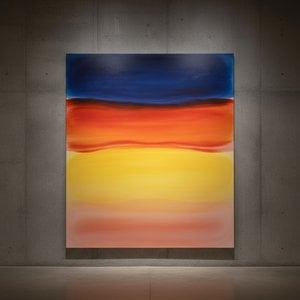
Mother and Child

The Rothko Chapel houses fourteen paintings by Mark Rothko, exploring themes of spirituality and contemplation within its octagonal structure. Founded by John and Dominique de Menil, it stands as a testament to artistic vision and intercultural dialogue.

Erkunden Sie das Leben und Werk von Mark Rothko (1903-1970), einem prägenden abstrakten Expressionisten. Entdecken Sie seine ikonischen Farbflächenmalereien, emotionale Tiefe und bleibenden Einfluss auf die moderne Kunst. #AbstrakterExpressionismus #Farbflächenmalerei #Rothko #Kunstgeschichte

Giclée / Kunstdruck

Giclée- oder Leinwanddruck in Museumsqualität mit schneller Produktion und flexiblen Veredelungsoptionen. (Handgemalte Reproduktion bestellen Handgemalte Reproduktion bestellenZum digitalen Bild wechseln Zum digitalen Bild wechseln)

P118B $10
P118H $10
P118W $10
P438Z $10
P508JH $12
P508YH $12
P805H $10
P805Z $10
P919BZ $10
P919G $10
P919XJ $10
P959ZH $10
P968JZ $12
W106C $8
W218G $10
W218JH $8
W218Y $10
W307PJ $10
W316G $10
W316PJ $8
W316Y $10
W398PJ $8
W4111J $10
W500HY $15
W500JH $15
W692G $12
W849H $8
W940BG $15
W953PJ $8

Standardformat
individuell anpassbar
CM
INCH

Wählen Sie aus unseren vordefinierten Formaten, die den ursprünglichen Proportionen des Kunstwerks entsprechen.

Breite
Höhe

Sie können Ihre eigenen Maße eingeben, um ein bestimmtes Format oder einen speziellen Platz einzupassen. Wenn das von Ihnen gewählte Format nicht den Proportionen des Originalbildes entspricht, werden wir das Kunstwerk entweder beschneiden oder das Bild mit einem gespiegelten oder einfarbigen Rand erweitern. Ein digitaler Entwurf wird Ihnen zur Genehmigung zugesandt, bevor die Produktion beginnt.
Bitte beachten Sie, dass die Vorschau auf dem Bildschirm nicht den tatsächlichen Zuschnitt oder die Erweiterung widerspiegelt. Nur der Entwurf zeigt die endgültige Komposition präzise an.
Obwohl Sondermaße verfügbar sind, empfehlen wir die Auswahl eines Maßes aus der vordefinierten Liste, um die ursprünglichen Proportionen zu bewahren.

Weltweiter Versand () innerhalb von 2 Wochen statt der üblichen 4/5 Wochen. (14 September)

why_choose_icon
Kostenloser weltweiter Expressversand
why_choose_icon
Hochwertige Leinenleinwand
why_choose_icon
Umfassender Versicherungsschutz beim Versand
why_choose_icon
Zollgebühren-Rückerstattungsgarantie
why_choose_icon
Garantie für exakte Farbtreue
why_choose_icon
100-Tage-Rückgaberecht (nur bei Mängeln)
why_choose_icon
100% Geld-zurück-Garantie
why_choose_icon
Mengenrabatt verfügbar

Gesamtpreis

$ 68

reproduction

Mother and Child

Giclée / Kunstdruck

Format der Reproduktion

-

Gesamtpreis

$ 68

Eckdaten

  • Title: Mother and Child
  • Movement: Abstract Expressionism
  • Medium: Oil on Canvas
  • Artist: Mark Rothko
  • Location: National Gallery of Art
  • Artistic style: Color Field Painting
  • Dimensions: 8×13 cm

Kunst-Quiz

Jede Frage hat nur eine richtige Antwort.

Frage 1:
What is the primary artistic style of “Mother and Child” by Mark Rothko?
Frage 2:
The painting depicts two women engaged in what activity?
Frage 3:
What is the significance of the vases positioned around the canvas?
Frage 4:
In what year was “Mother and Child” created?
Frage 5:
What is Mark Rothko known for exploring in his artwork?

A Tender Resonance: The Soul of Mother and Child

In the vast, often turbulent landscape of modern art, few works possess the quiet, grounding intimacy found in Mark Rothko’s Mother and Child. Painted around 1934, this piece serves as a poignant window into the artist's formative years, capturing a moment of profound human connection before his transition into the monumental abstractions that would define his legacy. The painting presents a tender portrait of two figures—a mother standing in protective proximity to her seated child—engaged in a silent, shared existence. While the composition retains elements of representational form, there is an unmistakable atmospheric quality that transcends mere depiction, inviting the viewer into a space of deep, meditative stillness.

The visual narrative is enriched by a delicate arrangement of surroundings, where subtle details like the presence of vases and a soft, verdant plant in the corner ground the emotional weight of the figures within a domestic, yet ethereal, setting. This interplay between the tangible world and the intangible emotion creates a sense of timelessness, making the work an exquisite choice for those looking to introduce a sense of peace and contemplative depth into a curated interior space.

Mastery of Light and Layered Emotion

Technically, Mother and Child showcases the early brilliance of Rothko’s approach to medium and light. Long before his signature large-scale color fields, Rothko was experimenting with the meticulous layering of thin, translucent washes of pigment. This technique allows light to penetrate the surface of the canvas, creating a soft, inner luminescence that seems to emanate from within the figures themselves. The surfaces possess a velvety texture, absorbing the gaze and pulling the observer into a rhythmic dance of subtle tonal variations.

The artist’s control over color is nothing short of masterful; even in this more figurative period, he utilizes hues not just to define shape, but to evoke temperament. The way the light falls across the figures suggests a sanctity in the everyday, transforming a simple maternal interaction into a universal symbol of vulnerability and care. For the collector or interior designer, this technique offers a sophisticated visual texture that complements both minimalist modernism and more classical, opulent decor, providing a focal point that is both intellectually stimulating and visually soothing.

A Legacy of Connection and Spirit

To understand Mother and Child is to understand the roots of Rothko’s lifelong preoccupation with existential themes. Emerging from a period shaped by his engagement with Jewish mysticism and the heavy shadows of early 20 much-discussed historical upheavals, the painting vibrates with an underlying sense of compassion and the sacredness of human bonds. It is a work that speaks to the fundamental need for connection in an often fragmented world.

For those seeking to adorn a home or gallery with a piece of art history, this reproduction offers more than just aesthetic beauty; it offers an emotional anchor. Whether placed in a quiet study, a serene bedroom, or a grand living area, the painting acts as a silent interlocutor, prompting reflection on the enduring strength of love and the delicate nature of life. It is a profound testament to the idea that even within the most personal moments, there exists a universal, spiritual truth that connects us all.


Über den Künstler

frühes Leben und Einflüsse

Mark Rothko (Marcus Rothkowitz), ein renommierter amerikanischer Künstler, wurde am 25. September 1903 in Dwinisk, Lettland, geboren. Seine Familie immigrierte als Kind, gerade zehn Jahre alt, in die Vereinigten Staaten. Diese kulturelle Veränderung beeinflusste später seinen künstlerischen Stil.

künstlerische Entwicklung

Rothkos frühe Werke waren durch den **abstrakten Expressionismus** geprägt, einen Stil, der die Prozesshaftigkeit der Kunstschaffung betonte und nicht das Endprodukt. Seine Gemälde, wie No. 18 (1948) und Untitled (1948), zeigten seinen einzigartigen Ansatz für Farbe und Form.
  • **Farbfeld:** Rothkos Verwendung von kräftigen, rechteckigen Farbflächen, oft in scharfem Kontrast zueinander, erzeugte ein Gefühl von Tiefe und Emotion.
  • **Organische Struktur:** Seine Gemälde wirkten lebendig, als wären die Farben lebendige Wesen.

Bemerkenswerte Werke und Ausstellungen

  • No. 10 (1950), ein Gemälde, das einen bedeutenden Wandel in Rothkos Stil markierte, befindet sich heute im Besitz der Museum of Modern Arts.
  • Die Seagram-Muralen, eine Reihe von Gemälden, die für das Restaurant Four Seasons angefertigt wurden, zeigten Rothkos Fähigkeit, seinen Stil an verschiedene Umgebungen anzupassen.
  • No. 3 (1950), ein Gemälde, das Rothkos Verwendung von kräftigen, rechteckigen Farbflächen veranschaulicht.

Spätes Leben und Vermächtnis

Rothkos Leben war von Kämpfen mit psychischen Problemen und einer turbulenten Ehe geprägt. Er starb am 25. Februar 1970 im Alter von 66 Jahren. Trotz seiner Herausforderungen hinterließ Rothko einen unauslöschlichen Eindruck in der Kunstwelt. Ochre and Red on Red (Farbfeld), ein Gemälde, das Rothkos einzigartigen Ansatz für Farbe zeigt, befindet sich in der Sammlung von WahooArt.com. Mark Rothkos Wikipedia-Seite bietet weitere Einblicke in sein Leben und seinen künstlerischen Stil.
Mark Rothko

Mark Rothko

1903 - 1970 , Lettland

Kurzinfos

  • Beeinflusste Künstler: ['Minimalistische Kunst']
  • Bemerkenswerte Werke:
    • Nr. 18 (1948)
    • Nr. 10 (1950)
    • Seagram-Wandbilder
    • Nr. 3 (1950)
  • Einflüsse:
    • Surrealismus
    • Marxistische Philosophie
  • Geburtsdatum: 25. September 1903
  • Geburtsort: Daugavpils, Lettland
  • Künstlerische Bewegung: Abstrakter Expressionismus
  • Nationalität: Amerikanisch
  • Todatum: 25. Februar 1970
  • Vollständiger Name: Mark Rothko / Marcus Rothkowitz
Entdecken Sie Kunstwerke, die nach Themen, Stilen und Merkmalen sortiert sind.