In echtem Maßstab anzeigen In AR an der Wand sehen Handgemalte Reproduktion kaufen Zum digitalen Bild wechseln Versenden als Grußkarte
Details anzeigen Zu Favoriten hinzufügen Herunterladen Ähnliche Objekte Röntgenaufnahme Diashow Besucherstatistiken

Print sample

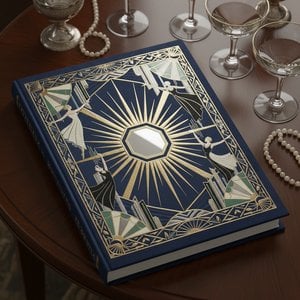
Experience Mariano Fortuny’s Venetian elegance with this 1905 print sample featuring a stylized umbrella. A master of light and color, Fortuny's innovative techniques shaped Art Deco design. Discover this unique piece and elevate your collection.

Mariano Fortuny (1871-1949) war ein spanischer Modeschöpfer & Künstler bekannt für innovative Textilien, Delphos Kleider und beeindruckende Bühnenbilder. Entdecken Sie seinen orientalistischen Einfluss und sein Vermächtnis in der Kunstgeschichte.

Giclée / Kunstdruck

Giclée- oder Leinwanddruck in Museumsqualität mit schneller Produktion und flexiblen Veredelungsoptionen. ( Handgemalte Reproduktion kaufen Zum digitalen Bild wechseln)

P118B $10
P118H $10
P118W $10
P438Z $10
P508JH $12
P508YH $12
P805H $10
P805Z $10
P919BZ $10
P919G $10
P919XJ $10
P959ZH $10
P968JZ $12
W106C $8
W218G $10
W218JH $8
W218Y $10
W307PJ $10
W316G $10
W316PJ $8
W316Y $10
W398PJ $8
W4111J $10
W500HY $15
W500JH $15
W692G $12
W849H $8
W940BG $15
W953PJ $8

Standardformat
individuell anpassbar
CM
INCH

Wählen Sie aus unseren vordefinierten Formaten, die den ursprünglichen Proportionen des Kunstwerks entsprechen.

Breite
Höhe

Sie können Ihre eigenen Maße eingeben, um ein bestimmtes Format oder einen speziellen Platz einzupassen. Wenn das von Ihnen gewählte Format nicht den Proportionen des Originalbildes entspricht, werden wir das Kunstwerk entweder beschneiden oder das Bild mit einem gespiegelten oder einfarbigen Rand erweitern. Ein digitaler Entwurf wird Ihnen zur Genehmigung zugesandt, bevor die Produktion beginnt.
Bitte beachten Sie, dass die Vorschau auf dem Bildschirm nicht den tatsächlichen Zuschnitt oder die Erweiterung widerspiegelt. Nur der Entwurf zeigt die endgültige Komposition präzise an.
Obwohl Sondermaße verfügbar sind, empfehlen wir die Auswahl eines Maßes aus der vordefinierten Liste, um die ursprünglichen Proportionen zu bewahren.

Weltweiter Versand () innerhalb von 2 Wochen statt der üblichen 4/5 Wochen. (16 September)

why_choose_icon
Kostenloser weltweiter Expressversand
why_choose_icon
Hochwertige Leinenleinwand
why_choose_icon
Vollständiger Versicherungsschutz beim Versand
why_choose_icon
Zollgebühren-Rückerstattungsgarantie
why_choose_icon
Garantie für exakte Farbtreue
why_choose_icon
100-tägiges Rückgaberecht (nur bei Mängeln)
why_choose_icon
100% Geld-zurück-Garantie
why_choose_icon
Angebot für Mengenrabatt

Gesamtpreis

$ 68

reproduction

Print sample

Giclée / Kunstdruck

Format der Reproduktion

-

Gesamtpreis

$ 68

Kurzübersicht

  • Notable elements or techniques: Cyclorama dome lighting
  • Year: 1905
  • Location: Palazzo Fortuny, Venice
  • Artistic style: Decorative Art
  • Movement: Orientalism
  • Medium: Tempera on paper
  • Artist: Mariano Fortuny

Kunst-Quiz

Jede Frage hat nur eine richtige Antwort.

Frage 1:
What is the primary subject matter depicted in Mariano Fortuny’s ‘Print sample’?
Frage 2:
In what year was ‘Print sample’ created?
Frage 3:
Where is ‘Print sample’ currently housed?
Frage 4:
What artistic technique was primarily employed by Mariano Fortuny to produce ‘Print sample’?
Frage 5:
Fortuny’s invention, the fortuny cyclorama dome, revolutionized theater design by:

Mariano Fortuny: A Venetian Innovator Shaping Art Deco Elegance

Mariano Fortuny y Marsal (1871-1949) stands as a singular figure in the artistic landscape of the early 20th century, an artist whose multifaceted talents transcended mere painting to encompass fashion design, theatrical lighting, and groundbreaking textile innovation. Born in Reus, Catalonia, Spain, Fortuny’s formative years were steeped in the vibrant colors and textures of Orientalism – a movement that profoundly influenced his artistic vision and fueled his relentless pursuit of inventive techniques.

  • Early Life & Inspiration: Fortuny's father, also Mariano Fortuny y Marsal, was a genre painter who tragically passed away when Mariano was just three years old. This loss instilled in him an unwavering determination to honor his father’s legacy and propelled him toward artistic excellence despite immense personal hardship.
  • A Synthesis of Disciplines: Fortuny wasn't simply confined to painting; he possessed remarkable skills in photography, sculpting, architecture, etching, and theatrical stage lighting – demonstrating a rare breadth of creative exploration that would define his career.

His artistic breakthroughs began with the development of the “Fortuny Cyclorama Dome,” a revolutionary architectural innovation that utilized indirect lighting to create seamless transitions between scenes during theatrical productions. This ingenious device cemented Fortuny’s reputation as an inventor and solidified his contribution to the advancement of stagecraft.

Technique & Style: Fortuny's artistic style is characterized by meticulous detail, masterful blending of colors, and a distinctive approach to capturing light—elements that are particularly evident in his paintings. He favored tempera on paper, achieving luminous effects through layering pigments and employing glazing techniques to build up depth and richness.

Symbolism & Emotional Impact: Fortuny’s artistic output consistently explored themes of exotic landscapes, mythological narratives, and idealized beauty—reflecting the fascination with Orientalism prevalent during his time. His works evoke a sense of serenity, grandeur, and contemplation, inviting viewers to immerse themselves in worlds far removed from everyday life.

Historical Context: Fortuny’s artistic endeavors flourished amidst the burgeoning Art Deco movement, where he embraced geometric forms and luxurious materials—a testament to his ability to adapt to evolving aesthetic sensibilities. His influence extended beyond visual arts into fashion, where he created the iconic Delphos gown – a masterpiece of draped fabric and sculptural elegance that epitomized the glamour and sophistication of the era.

Legacy: Mariano Fortuny’s enduring legacy resides not only in his artistic achievements but also in his pioneering spirit—a refusal to accept conventional boundaries and an unwavering commitment to pushing the limits of creative expression. Today, reproductions of his paintings continue to inspire collectors and interior designers alike, ensuring that Fortuny's vision persists as a beacon of beauty and innovation.

  • Notable Works: Among Fortuny’s celebrated masterpieces are “Print sample,” depicting a stylized umbrella motif—a symbol of protection and resilience—and “The Poet,” capturing the contemplative gaze of a figure bathed in ethereal light.
  • Influence on Art Deco: Fortuny's innovative use of fabric and lighting profoundly impacted the Art Deco aesthetic, establishing him as one of its foremost champions.

His contribution to art history is undeniable—a testament to his genius and a reminder that true artistry transcends time, captivating audiences with its beauty and conveying timeless messages about human experience.


Biografie des Künstlers

Frühe Jahre und Inspiration

Mariano Fortuny, ein spanischer Modeschöpfer, wurde am 11. Mai 1871 in Granada, Spanien, geboren. Sein Vater, Mariano Fortuny y Marsal, war ein Maler des Genrebildes, der verstarb, als Mariano erst drei Jahre alt war. Dieses tragische Ereignis führte dazu, dass die Familie nach Paris, Frankreich, zog, wo die Mutter von Mariano ihn mit verschiedensten Textilien und Stoffen vertraut machte, die später seine schöpferische Kraft maßgeblich beeinflussen sollten.

Künstlerische Talente und Erfindungen

Schon in jungen Jahren offenbarte Mariano Fortuny sein außergewöhnliches künstlerisches Talent und bewies meisterhafte Fähigkeiten in der Malerei, Fotografie, Bildhauerei, Architektur, Radierung sowie in der theatralischen Bühnenbeleuchtung. Seine Erfindungen, darunter über zwanzig Patente, die zwischen 1901 und 1934 angemeldet wurden, revolutionierten die Welt des Bühnendesigns grundlegend.
  • Er entwickelte das Fortuny-Cyclorama-Dome, eine halbkuppelförmige Struktur aus Gips oder Stoff, die indirektes Licht nutzte, um einen nahtlosen Übergang zwischen den Szenen zu schaffen.
  • In seiner Abhandlung „Eclairage Scénique“ (1904) beschrieb er seine Entdeckung, wie Licht von verschiedenen Oberflächen reflektiert werden kann, wodurch sich dessen Farbe, Intensität und Eigenschaften verändern lassen.

Bemerkenswerte Beiträge und Kollaborationen

Die Arbeit von Mariano Fortuny erlangte in den 1920er Jahren weltweite Anerkennung. Er arbeitete mit bedeutenden Persönlichkeiten zusammen, darunter:
  • Richard Wagner, ein deutscher Komponist, dessen Opern Mariano dazu inspirierten, ganze Szenen zu malen.
  • Das berühmte Opernhaus La Scala in Mailand, in dem er seine Kuppel installierte, wobei er sie für das größere Theater anpasste und einen Saugventilator erfand, um die straffe Struktur aufrechtzuerhalten.

Vermächtnis und spätes Leben

Mariano Fortuny verstarb am 3. Mai 1949 in Venedig, Italien. Sein Werk inspirierte den französischen Schriftsteller Marcel Proust, und sein Leben fand in Pere Gimferrer's Roman „Fortuny“ Niederschlag. Das Erbe von Mariano beeinflusst die Welt des Bühnendesigns bis heute nachhaltig.

Ausgewählte Gemälde von Mariano Fortuny und anderen Künstlern

Entdecken Sie mehr über Mariano Fortuny und andere Künstler in der umfangreichen Sammlung von WahooArt, die vom 12. bis zum 20. Jahrhundert reicht.
Mariano Fortuny

Mariano Fortuny

1871 - 1949 , Spanien

Eckdaten zum Künstler

  • Artistic Movement Or Style: Orientalism art
  • Artists Or Movements Influenced By This Artist: ['Marcel Proust']
  • Artists Who Influenced This Artist: ['Richard Wagner']
  • Date Of Birth: 11. Juni 1838
  • Date Of Death: 21. November 1949
  • Full Name: Mariano Fortuny y Marsal
  • Nationality: Spanisch
  • Notable Artworks:
    • Teagown
    • Portrait of Henriette Fortuny
  • Place Of Birth: Granada, Spanien
Entdecken Sie Kunstwerke, die nach Themen, Stilen und Merkmalen sortiert sind.