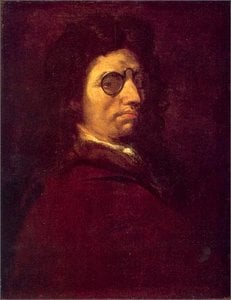
Ein neapolitanischer Wirbelwind: Das Leben und Werk von Luca Giordano
Luca Giordano, geboren in Neapel im Jahr 1634, war mehr als nur ein Künstler – er war eine Naturgewalt, ein kreativer Strudel, dessen unermüdliche Produktivität sowohl Leinwände als auch architektonische Räume in ganz Italien und Spanien veränderte. Sein Vater, Antonio Giordano, legte die ersten Grundlagen seiner künstlerischen Ausbildung, doch unter der strengen, aber meisterhaften Führung von Jusepe de Ribera begann der junge Luca seinen unverwechselbaren Weg zu schmieden. Diese frühe Lehrzeit hinterließ einen unauslöschlichen Eindruck, der sich in der dramatischen Intensität und realistischen Darstellung von Figuren zeigt, die für Giordanos anfängliche Werke charakteristisch sind. Im Gegensatz zur oft düsteren Farbpalette Ribera besaß Giordano jedoch eine natürliche Neigung zu Luminosität und Bewegung – Qualitäten, die letztendlich seinen einzigartigen Stil definieren sollten. Bereits damals erhielt er den Spitznamen „Luca fa presto“ – Luca der Schnelle – ein Beweis für seine bemerkenswerte Geschwindigkeit und scheinbar grenzenlose Energie. Er war nicht nur geschickt; er war in der Lage, tiefe Emotionen und schillernde Spektakel mit einer Leichtigkeit einzufangen, die Zeitgenossen verblüffte.
Von Neapel nach Spanien: Eine Karriere im ständigen Wandel
Giordanos künstlerische Reise war alles andere als statisch. Es war ein dynamischer Fortschritt, der durch Aufträge und Reisen angetrieben wurde und ihn über die gesamte italienische Halbinsel und darüber hinaus führte. Nachdem er sich in Neapel als aufstrebender Stern etabliert hatte, suchte er Gelegenheiten in Rom, Florenz und Venedig und absorbierte die vielfältigen Einflüsse jeder Stadt wie ein Schwamm. In Venedig studierte er die Werke von Tizian und Veronese und übernahm ihre lebendigen Farbpaletten und dynamischen Kompositionen – ein starker Kontrast zum Tenebrismus seiner frühen Ausbildung. Florenz sah ihn bei der Durchführung bedeutender Freskenzyklen, insbesondere in der Kuppel der Corsini-Kapelle in der Chiesa del Carmine, die seine aufkeimende Beherrschung illusionistischer Räume und erzählerischer Darstellungen demonstrierte. Doch es war sein zehnjähriger Aufenthalt in Spanien (1682–1692), der seinen internationalen Ruf festigte. Als Hofmaler von Karl II. verwandelte Giordano spanische Innenräume mit üppigen Fresken und injizierte der eher zurückhaltenden spanischen künstlerischen Tradition eine dringend benötigte Dosis italienischer Exuberanz. Die Biblioteca Riccardiana in Florenz, geschmückt mit allegorischen Fresken, die göttliche Weisheit feiern, ist ein Beweis für diese Zeit und zeigt seine Fähigkeit, intellektuelle Tiefe mit visueller Pracht zu verbinden.
Eine Synthese von Stilen: Giordanos künstlerische Handschrift
Giordanos Genie lag nicht in der Erfindung völlig neuer Techniken, sondern in der Synthese bestehender zu einem bemerkenswert fließenden und dekorativen Stil. Er kombinierte meisterhaft den dramatischen Realismus, den er von Ribera geerbt hatte, den leuchtenden Kolorit, der von venezianischen Malern inspiriert war, und die dynamischen Kompositionen, die an Pietro da Cortona erinnerten. Seine Pinselstriche zeichneten sich durch ihre Freiheit und Spontaneität aus, wodurch ein Eindruck müheloser Anmut entstand. Er scheute sich nicht vor Ornamentik und füllte seine Leinwände mit komplizierten Details und wirbelnden Draperien – ein Markenzeichen seines reifen Stils. Dieser Ansatz ermöglichte es ihm, eine breite Palette von Themen – von religiösen Szenen und mythologischen Erzählungen bis hin zu Porträts und dekorativen Schemata – mit gleicher Bravour anzugehen.
Das Urteil des Paris, das sich im Berliner Museum befindet, ist ein Beispiel dafür; es ist eine lebendige Darstellung der klassischen Mythologie, die mit einem ausgeprägten Barockflair gerendert wurde. Seine Fresken, insbesondere in der Kathedrale von Neapel und verschiedenen neapolitanischen Palästen, sind monumentale Leistungen, die architektonische Räume in immersive visuelle Erlebnisse verwandeln, die den Betrachter in eine Welt aus Farbe und Drama eintauchen lassen.
Vermächtnis und Einfluss: Die bleibende Wirkung eines Meisters
Luca Giordanos Einfluss reichte weit über sein eigenes Leben hinaus. Er bildete zahlreiche Schüler aus, darunter Paolo de Matteis, die selbst zu erfolgreichen Künstlern wurden und seine stilistischen Innovationen in ganz Italien und darüber hinaus verbreiteten. Seine Arbeit diente als Brücke zwischen dem Hochbarock und der Rokoko-Periode und ebnete den Weg für die leichtere, spielerischere Ästhetik, die das Kunst des 18. Jahrhunderts prägen sollte. Sein geschätzter Output – schätzungsweise über sechshundert Gemälde und zahlreiche Freskenzyklen – fasziniert auch heute noch das Publikum. Der Palast von Capodimonte in Neapel bleibt eine Schatzkammer seiner Werke und bietet einen umfassenden Überblick über seine künstlerische Entwicklung. Giordanos Fähigkeit, technische Virtuosität nahtlos mit emotionaler Tiefe zu verbinden, sichert ihm seinen Platz als einer der wichtigsten und beliebtesten Vertreter des italienischen Barock. Er starb 1705 in seinem Geburtsort Neapel und hinterließ ein Vermächtnis, das Künstler und Kunstliebhaber bis heute inspiriert.
Schlüsselwerke & künstlerische Verbindungen
- Das Urteil des Paris (Berliner Museum): Ein Paradebeispiel für Giordanos mythologische Gemälde, das seine lebendige Farbpalette und dynamische Komposition zeigt.
- Christus mit den Schriftgelehrten im Tempel (Corsini-Galerie, Rom): Demonstriert sein Geschick in religiösen Erzählungen und seine Beherrschung von Licht und Schatten.
- Fresken in Florenz & Neapel: Monumentale Werke, die architektonische Räume in immersive visuelle Erlebnisse verwandelten.
- Einflüsse: Jusepe de Ribera, Tizian, Veronese, Pietro da Cortona
- Beeinflusste Künstler: Paolo de Matteis und eine Generation neapolitanischer Maler.



 In echtem Maßstab anzeigen
 Handgemalte Reproduktion kaufen
 Versenden als Grußkarte
 Teilen
 Details anzeigen

 Herunterladen
 Ähnliche Objekte
 Röntgenaufnahme
 Diashow
 Besucherstatistiken


 Mehr anzeigen






































 Die Glasoption ist nur für Größen unter 110 cm verfügbar.