Vorschau anzeigen In AR ansehen Handgemalte Reproduktion bestellen Zum digitalen Bild wechseln Versenden
Details anzeigen Leitfaden Zu Favoriten hinzufügen Herunterladen Ähnliche Objekte Röntgenaufnahme Diashow Q&A Statistiken

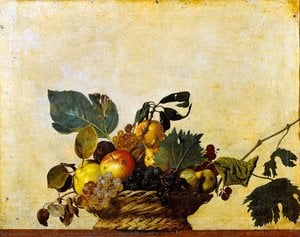
Magdalena (Detail)

Caravaggio's Meisterwerk 'Magdalena (Detail)' beeindruckt durch dramatische Lichtführung und tiefgründige Emotionen. Entdecken Sie die Kunstgeschichte dieses ikonischen Gemäldes im Galleria Doria Pamphilj!

Erkunden Sie Karavaggio (1571-1610): Meister der Barockzeit und des Realismus & der Tenebrismus. Dramatische religiöse Szenen, intensive Chiaroscuro und ein revolutionärer Stil, der Rubens und Rembrandt beeinflusste.

Giclée / Kunstdruck

Giclée- oder Leinwanddruck in Museumsqualität mit schneller Produktion und flexiblen Veredelungsoptionen. ( Handgemalte Reproduktion bestellen Zum digitalen Bild wechseln)

Corner sample of the P118B picture frame: formgepresstes Polystyrol, 5 cm wide and 3 cm thick
P118B €10
Corner sample of the P118H picture frame: formgepresstes Polystyrol, 5 cm wide and 3 cm thick
P118H €10
Corner sample of the P118W picture frame: formgepresstes Polystyrol, 5 cm wide and 3 cm thick
P118W €10
Corner sample of the P438Z picture frame: formgepresstes Polystyrol, 5.5 cm wide and 3.5 cm thick
P438Z €10
Corner sample of the P508JH picture frame: formgepresstes Polystyrol, 7 cm wide and 3.5 cm thick
P508JH €12
Corner sample of the P508YH picture frame: formgepresstes Polystyrol, 7 cm wide and 3.5 cm thick
P508YH €12
Corner sample of the P805H picture frame: formgepresstes Polystyrol, 5 cm wide and 3.5 cm thick
P805H €10
Corner sample of the P805Z picture frame: formgepresstes Polystyrol, 5 cm wide and 3.5 cm thick
P805Z €10
Corner sample of the P919BZ picture frame: formgepresstes Polystyrol, 7 cm wide and 3.5 cm thick
P919BZ €10
Corner sample of the P919G picture frame: formgepresstes Polystyrol, 7 cm wide and 3.5 cm thick
P919G €10
Corner sample of the P919XJ picture frame: formgepresstes Polystyrol, 7 cm wide and 3.5 cm thick
P919XJ €10
Corner sample of the P959ZH picture frame: formgepresstes Polystyrol, 5 cm wide and 3 cm thick
P959ZH €10
Corner sample of the P968JZ picture frame: formgepresstes Polystyrol, 6 cm wide and 4 cm thick
P968JZ €12
Corner sample of the W106C picture frame: Massivholz, 5 cm wide and 3 cm thick
W106C €8
Corner sample of the W218G picture frame: Massivholz, 5 cm wide and 3 cm thick
W218G €10
Corner sample of the W218JH picture frame: Massivholz, 5 cm wide and 3 cm thick
W218JH €8
Corner sample of the W218Y picture frame: Massivholz, 5 cm wide and 3 cm thick
W218Y €10
Corner sample of the W307PJ picture frame: Massivholz, 6 cm wide and 3 cm thick
W307PJ €10
Corner sample of the W316G picture frame: Massivholz, 6 cm wide and 3 cm thick
W316G €10
Corner sample of the W316PJ picture frame: Massivholz, 6 cm wide and 3 cm thick
W316PJ €8
Corner sample of the W316Y picture frame: Massivholz, 6 cm wide and 3 cm thick
W316Y €10
Corner sample of the W398PJ picture frame: Massivholz, 5 cm wide and 3 cm thick
W398PJ €8
Corner sample of the W4111J picture frame: Massivholz, 6.5 cm wide and 3.5 cm thick
W4111J €10
Corner sample of the W500HY picture frame: Massivholz, 7 cm wide and 5 cm thick
W500HY €15
Corner sample of the W500JH picture frame: Massivholz, 7 cm wide and 5 cm thick
W500JH €15
Corner sample of the W692G picture frame: Massivholz, 8 cm wide and 4 cm thick
W692G €12
Corner sample of the W849H picture frame: Massivholz, 5 cm wide and 3 cm thick
W849H €8
Corner sample of the W940BG picture frame: Massivholz, 7.5 cm wide and 4.5 cm thick
W940BG €15
Corner sample of the W953PJ picture frame: Massivholz, 6 cm wide and 3.5 cm thick
W953PJ €8

Standardformat
individuell anpassbar
CM
INCH

Wählen Sie aus unseren vordefinierten Formaten, die den ursprünglichen Proportionen des Kunstwerks entsprechen.

Breite
Höhe

Geben Sie die benötigte Breite und Höhe an, damit der Druck perfekt in Ihren Rahmen oder an Ihre Wand passt. Ein Druck kann nur beschnitten, aber niemals größer als das Originalbild angefertigt werden; daher verliert ein Format mit anderen Proportionen einen Teil des Bildes. Wir senden Ihnen ein digitales Mockup zur Freigabe, bevor wir den Druck ausführen. Das auf dieser Seite gezeigte Bild zeigt nicht den tatsächlichen Beschnitt – dies ist nur im Mockup ersichtlich.

Weltweiter Versand () innerhalb von 2 Wochen statt der üblichen 4/5 Wochen. (30 Oktober)

Kostenloser weltweiter Expressversand
Hochwertige Leinenleinwand
Umfassender Versicherungsschutz beim Versand
Zollgebühren-Rückerstattungsgarantie
Garantie für exakte Farbtreue
100 Tage Rückgaberecht (nur bei Mängeln)
100% Geld-zurück-Garantie
Mengenrabatt verfügbar

Gesamtpreis

€ 60

Magdalena (Detail)

Giclée / Kunstdruck

Format der Reproduktion

-

Endpreis

€ 60

Eckdaten

  • Medium: Öl auf Leinwand
  • Artistic style: Realistisch
  • Influences: Rembrandt
  • Notable elements or techniques: Chiaroscuro, Tenebrismus
  • Title: Magdalene (detail)
  • Location: Galleria Doria Pamphilj, Rom

Kunst-Quiz

Jede Frage hat nur eine richtige Antwort.

Frage 1:
¿Quién pintó la Magdalena (detalle)?
Frage 2:
¿Dónde se encuentra actualmente la Magdalena (detalle)?
Frage 3:
¿Qué técnica artística utiliza Caravaggio en esta pintura?
Frage 4:
¿Cuál es el simbolismo principal representado en la pintura?
Frage 5:
¿Cómo influyó Caravaggio en otros artistas posteriores?

Magdalene (detail): A Masterpiece of Baroque Drama

Caravaggio’s Magdalene (detail) is a poignant and powerful painting that showcases the artist's mastery of light, emotion, and composition. Created in 1596, this oil on canvas work is housed at the Galleria Doria Pamphilj in Rome, Italy.

The Painting's Context

The subject of the painting is Mary Magdalene, a figure from Christian tradition known for her repentance and devotion. Caravaggio’s depiction of Magdalene is unique in its realism and emotional depth, setting it apart from traditional representations of the time. The painting captures a moment of introspection and sorrow, as Magdalene sits on the floor surrounded by symbols of her former life: jewelry, pearls, and a vase. This scene was conceived during a period marked by intense religious fervor and artistic experimentation—the Baroque era—where artists sought to evoke profound feelings in their viewers through dramatic visual narratives. Caravaggio’s intention wasn't merely to depict Magdalene; he aimed to convey the very essence of spiritual transformation and remorse.

Artistic Techniques

Caravaggio’s use of chiaroscuro, a technique that emphasizes contrasts between light and dark, creates a dramatic effect. The light source is positioned to highlight Magdalene’s face and hands, drawing the viewer's attention to her emotional state. This innovative lighting technique was characteristic of Caravaggio’s style and influenced many subsequent artists. He achieved this breathtaking illusionism through meticulous layering of glazes—thin coats of translucent paint—allowing for subtle gradations of color and texture that contribute to the painting’s palpable atmosphere. The artist skillfully rendered the folds of Magdalene's garment, conveying a sense of weightlessness and vulnerability.

Symbolism and Interpretation

The scattered jewelry and pearls symbolize Magdalene’s renunciation of worldly possessions and her embrace of a more spiritual path. They represent not merely material wealth but also the shedding of ego and attachment—elements crucial to achieving redemption. The vase, often interpreted as a symbol of purity, underscores the theme of repentance. Caravaggio's attention to detail in depicting these objects adds depth to the narrative, inviting contemplation on themes of faith, sorrow, and divine grace.

Caravaggio’s Influence

Caravaggio was a pivotal figure in the Baroque period, and his works had a profound impact on the development of Western art. His realistic and emotionally charged paintings influenced artists such as Rembrandt and Diego Velázquez. The Magdalene (detail) is a testament to Caravaggio’s innovative approach to storytelling through art—a legacy that continues to inspire artists and captivate audiences today.

Relevance in Modern Times

Despite being created over four centuries ago, the themes of repentance, self-reflection, and spiritual transformation remain relevant today. The painting continues to resonate with viewers who grapple with questions of morality and faith, reminding us of the enduring power of art to communicate profound human emotions. Its masterful execution serves as a benchmark for artistic excellence—a timeless masterpiece that deserves to be appreciated anew.

Conclusion

The Magdalene by Caravaggio is a cornerstone of Baroque art, demonstrating unparalleled skill in capturing human emotion and utilizing dramatic lighting to heighten the impact of its narrative. For exceptional reproductions of Caravaggio’s oeuvre, explore WahooArt: WahooArt. To delve deeper into Caravaggio's life and artistic legacy, consult these resources: - Caravaggio - List of paintings by Caravaggio Explore more artworks and artists at WahooArt: WahooArt

Fragen & Antworten

Wie alt war Karavaggio, als „Magdalena (Detail)“ geschaffen wurde?

Karavaggio war 25 Jahre alt, als Magdalena (Detail) im Jahr 1596 geschaffen wurde. Das Alter berechnet sich aus dem Geburtsjahr des Künstlers, 1571.

Für welchen Raum wird "Magdalena (Detail)" von Karavaggio empfohlen?

"Magdalena (Detail)" von Karavaggio wird für ein Wohnbereich empfohlen. Dieser Vorschlag basiert auf dem Motiv, den Farben und der Stimmung des Werkes.

Welche Grundfarbe prägt "Magdalena (Detail)" von Karavaggio?

"Magdalena (Detail)" weist einen Von Bernstein bis Safran Farbton auf.


Künstlerbiografie

Michelangelo Merisi da Caravaggio: Leben und Vermächtnis

Frühes Leben und Ausbildung (1571-1592)

  • Michelangelo Merisi da Caravaggio, bekannt als einfach nur Caravaggio, wurde 1571 in Mailand geboren.
  • Seine Familie zog aufgrund einer verheerenden Pest, die Mailand heimsuchte, in die Stadt Caravaggio.
  • Nach dem Tod seines Vaters und Großvaters im Jahr 1577 lebte Caravaggios Mutter mit ihren fünf Kindern in Armut.
  • Im Jahr 1584 begann er eine vierjährige Lehre bei Simone Peterzano, einem Maler, der Schüler von Tizian gewesen war. Diese grundlegende Ausbildung vermittelte ihm die Techniken der Renaissance-Malerei.

Künstlerische Karriere und Stil (1592-1610)

  • Caravaggios künstlerische Karriere blühte in Rom, wo er um 1592 eintraf. Zunächst hatte er Schwierigkeiten, Anerkennung zu finden, etablierte sich aber schnell mit seinem innovativen Stil.
  • Seine herausragendste Eigenschaft war seine meisterhafte Verwendung von Chiaroscuro, dem dramatischen Kontrast zwischen Licht und Dunkelheit. Diese Technik, oft als Tenebrism bezeichnet, wurde zu einer Markenzeichen der Barockmalerei.
  • Er lehnte idealisierte Formen ab und setzte stattdessen auf realistische Darstellungen, indem er oft gewöhnliche Menschen als Modelle für religiöse Figuren verwendete.
  • Caravaggios Gemälde sind bekannt für ihre intensive emotionale Realität und dramatische Erzählweise.

Wichtige Werke

  • Die Wahrsagerin (1594): Ein frühes Werk, das seinen realistischen Stil und seine Detailgenauigkeit zeigt.
  • Das Abendmahl zu Emmaus (1601-1602): Eine kraftvolle Darstellung der biblischen Szene, die seine Meisterschaft im Chiaroscuro und seine emotionale Intensität demonstriert.
  • Heiliger Franz von Assisi in Ekstase (1594): Veranschaulicht seine Fähigkeit, spirituelle Erfahrungen durch realistische Bilder auszudrücken.
  • Die Absetzung Christi (ca. 1602): Eine dramatische Komposition, die Verrat und Gefangennahme Jesu hervorhebt.
  • David mit dem Kopf des Goliath (ca. 1610): Ein psychologisch komplexes Porträt des biblischen Helden.

Einflüsse und künstlerische Entwicklung

  • Caravaggio war von den Werken der Renaissance-Meister wie Tizian, Leonardo da Vinci und Michelangelo beeinflusst, die er während seiner Ausbildung studierte.
  • Er ging vom vorherrschenden Manierismus ab und übernahm einen direkteren und naturalistischen Ansatz in der Malerei.
  • Seine Verwendung von Licht und Schatten wurde von künstlerischen Traditionen sowie dem im römischen Theater üblichen Bühnenlicht inspiriert.

Wichtige Leistungen und historische Bedeutung

  • Caravaggio revolutionierte die Barockmalerei mit seinem dramatischen Realismus, seiner innovativen Verwendung von Chiaroscuro und seinen emotional aufgeladenen Kompositionen.
  • Er inspirierte eine Generation von Künstlern, die sogenannten “Caravaggisti” oder “Schattenmalern”, die seinen Stil in ganz Europa übernahmen. Bekannte Anhänger sind Peter Paul Rubens, Jusepe de Ribera und Gerrit van Honthorst.
  • Sein Werk stellte künstlerische Konventionen in Frage und ebnete den Weg für einen moderneren Ansatz in der Malerei.
  • Trotz eines turbulenten Privatlebens, das von Gewalt und rechtlichen Schwierigkeiten geprägt war, bleibt Caravaggios künstlerisches Vermächtnis tiefgreifend und dauerhaft.

Spätes Leben und Tod

  • Im Jahr 1606 floh Caravaggio aus Rom, nachdem er in einer Schlägerei einen Mann getötet hatte. Er verbrachte die nächsten Jahre damit, zwischen Neapel, Malta und Sizilien zu wandern.
  • Er suchte eine päpstliche Amnestie, wurde aber weiterhin mit rechtlichen Schwierigkeiten und persönlichen Konflikten konfrontiert.
  • Caravaggio starb 1610 in Porto Ercole, Italien, unter mysteriösen Umständen. Der Todesursache ist bis heute umstritten, wobei Theorien von Fieber bis Vergiftung reichen.
Karavaggio

Karavaggio

1571 - 1610 , Spanien

Kurzinfos

  • Beeinflusste Künstler:
    • Peter Paul Rubens
    • Jusepe de Ribera
    • Gerrit van Honthorst
  • Bemerkenswerte Werke:
    • Die Wahrsagerin
    • Das Abendmahl zu Emmaus
    • Heiliger Franziskus in Ekstase
    • Die Absetzung Christi
    • David mit dem Kopf des Goliath
  • Geburtsdatum: 1571
  • Geburtsort: Mailand, Spanien
  • Künstlerische Bewegung: Barockmalerei
  • Künstlerische Einflüsse:
    • Simone Peterzano
    • Tizian
    • Leonardo da Vinci
    • Michelangelo
  • Nationalität: Italienisch
  • Todatum: 1610
  • Vollständiger Name: Michelangelo Merisi da Caravaggio
Entdecken Sie Kunstwerke, die nach Themen, Stilen und Merkmalen sortiert sind.