In echtem Maßstab anzeigen In AR an der Wand sehen Handgemalte Reproduktion kaufen Zum digitalen Bild wechseln Versenden als Grußkarte
Details anzeigen Zu Favoriten hinzufügen Herunterladen Ähnliche Objekte Röntgenaufnahme Diashow Besucherstatistiken

Jason and Medea

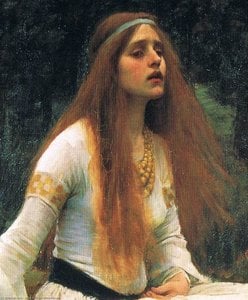
John William Waterhouse’s ‘Jason and Medea,’ a captivating Pre-Raphaelite oil painting from 1907, depicts a romantic scene of intimacy and magic. Explore this stunning artwork by Waterhouse and discover its rich symbolism and timeless beauty – perfect for your collection.

Entdecken Sie die faszinierenden präraphaelitischen & viktorianischen Gemälde von John William Waterhouse (1849-1917). Berühmt für Darstellungen aus Mythologie, Artussagen u. tragische Heldinnen wie Ophelia & Die Dame vom Schalott! Seine romantischen Meisterwerke erwarten Sie!

Giclée / Kunstdruck

Giclée- oder Leinwanddruck in Museumsqualität mit schneller Produktion und flexiblen Veredelungsoptionen. ( Handgemalte Reproduktion kaufen Zum digitalen Bild wechseln)

P118B $10
P118H $10
P118W $10
P438Z $10
P508JH $12
P508YH $12
P805H $10
P805Z $10
P919BZ $10
P919G $10
P919XJ $10
P959ZH $10
P968JZ $12
W106C $8
W218G $10
W218JH $8
W218Y $10
W307PJ $10
W316G $10
W316PJ $8
W316Y $10
W398PJ $8
W4111J $10
W500HY $15
W500JH $15
W692G $12
W849H $8
W940BG $15
W953PJ $8

Standardformat
individuell anpassbar
CM
INCH

Wählen Sie aus unseren vordefinierten Formaten, die den ursprünglichen Proportionen des Kunstwerks entsprechen.

Breite
Höhe

Sie können Ihre eigenen Maße eingeben, um ein bestimmtes Format oder einen speziellen Platz einzupassen. Wenn das von Ihnen gewählte Format nicht den Proportionen des Originalbildes entspricht, werden wir das Kunstwerk entweder beschneiden oder das Bild mit einem gespiegelten oder einfarbigen Rand erweitern. Ein digitaler Entwurf wird Ihnen zur Genehmigung zugesandt, bevor die Produktion beginnt.
Bitte beachten Sie, dass die Vorschau auf dem Bildschirm nicht den tatsächlichen Zuschnitt oder die Erweiterung widerspiegelt. Nur der Entwurf zeigt die endgültige Komposition präzise an.
Obwohl Sondermaße verfügbar sind, empfehlen wir die Auswahl eines Maßes aus der vordefinierten Liste, um die ursprünglichen Proportionen zu bewahren.

Weltweiter Versand () innerhalb von 2 Wochen statt der üblichen 4/5 Wochen. (18 September)

why_choose_icon
Kostenloser weltweiter Expressversand
why_choose_icon
Hochwertige Leinenleinwand
why_choose_icon
Vollständiger Versicherungsschutz beim Versand
why_choose_icon
Zollgebühren-Rückerstattungsgarantie
why_choose_icon
Garantie für exakte Farbtreue
why_choose_icon
100-tägiges Rückgaberecht (nur bei Mängeln)
why_choose_icon
100% Geld-zurück-Garantie
why_choose_icon
Angebot für Mengenrabatt

Gesamtpreis

$ 68

reproduction

Jason and Medea

Giclée / Kunstdruck

Format der Reproduktion

-

Gesamtpreis

$ 68

Kurzübersicht

  • Movement: Pre-Raphaelite
  • Influences: Ancient Rome, mythology
  • Notable elements: Magic potion, bench
  • Dimensions: 105 x 131 cm
  • Year: 1907
  • Title: Jason and Medea
  • Medium: Oil on canvas

John William Waterhouse's *Jason and Medea*: A Pre-Raphaelite Dream

John William Waterhouse’s 1907 painting, *Jason and Medea*, is more than just a depiction of a classical myth; it’s an immersive experience, a carefully constructed dream rendered in oil on canvas. This captivating work exemplifies the height of Pre-Raphaelite romanticism, transporting the viewer to a world where ancient legend intertwines with potent emotion and a profound sense of mystery. Measuring 105 x 131 cm, the painting’s intimate scale draws us into the scene, fostering a feeling of closeness with the figures as they contemplate their shared destiny.

  • Subject Matter: The artwork portrays Jason and Medea in a moment of quiet intensity. Jason, clad in a helmet – a symbol of his heroic quest – sits alongside Medea, who holds a wine glass, suggesting both indulgence and perhaps a subtle warning.
  • Setting: A serene, dreamlike landscape forms the backdrop, characteristic of Waterhouse’s Pre-Raphaelite style. The environment is deliberately ambiguous, blurring the lines between reality and fantasy.
  • Technique: Waterhouse's masterful use of oil paint creates a rich tapestry of color and texture. Noticeable brushstrokes contribute to the painting's dynamism while maintaining an overall sense of elegance and refinement.

A Symphony of Symbolism

*Jason and Medea* is steeped in symbolism, reflecting Waterhouse’s engagement with themes of love, betrayal, magic, and the human condition. The scene itself represents a pivotal moment – the point of no return for Jason and Medea as they embark on their perilous journey to retrieve the Golden Fleece. Medea's potion, though not explicitly visible, symbolizes her power and influence, while Jason’s helmet signifies his role as a hero driven by ambition and fate. The wine glass can be interpreted as a symbol of shared knowledge or perhaps a foreshadowing of tragic consequences. Waterhouse expertly weaves these elements together to create a narrative that transcends simple storytelling, inviting viewers to contemplate the complexities of human relationships and the seductive power of magic.

The Romantic Vision of John William Waterhouse

Waterhouse was a key figure in the Pre-Raphaelite movement, an artistic reaction against the perceived artificiality of academic art. He shared with his contemporaries a desire to recapture the spirit of early Renaissance painting – particularly the works of Raphael and Leonardo – emphasizing beauty, detail, and emotional intensity. His style is immediately recognizable: elegant lines, meticulously rendered figures, and a focus on the female form are hallmarks of his work. *Jason and Medea* perfectly embodies these qualities, showcasing Waterhouse’s ability to evoke a sense of timeless romance and profound emotion through his masterful technique.

Historical Context and Lasting Relevance

Painted in 1907, *Jason and Medea* reflects the broader cultural fascination with ancient mythology that characterized the late Victorian era. The Pre-Raphaelites sought to revive classical themes and narratives, believing them to hold enduring truths about human nature. Waterhouse’s interpretation of this myth continues to resonate today, offering a poignant meditation on love, power, and the consequences of ambition. Its dreamlike atmosphere and evocative symbolism ensure its place as a cornerstone of Pre-Raphaelite art and a testament to Waterhouse's artistic genius.


Biografie des Künstlers

Frühes Leben und Einflüsse

John William Waterhouse, ein bedeutender englischer Maler, wurde 1849 in Rom zu englischen Eltern geboren. Sein frühes Leben in Italien beeinflusste sein späteres Werk maßgeblich, das oft Szenen aus dem antiken Rom oder der römischen Mythologie darstellte. Im Jahr 1854 kehrten die Waterhouses nach England zurück und ließen sich in South Kensington, London, in der Nähe des neu gegründeten Victoria and Albert Museums nieder.

Aufstieg zur Prominenz

Waterhouses künstlerische Reise begann mit klassischen Themen, die an Alma-Tadema und Frederick Leighton erinnerten. Seine frühen Werke wurden in der Dudley Gallery und der Society of British Artists ausgestellt, wobei seine 1874 entstandene Darstellung von Schlaf und seinem Halbbruder Tod auf der Sommerausstellung der Royal Academy gezeigt wurde. Dies markierte den Beginn seiner erfolgreichen Karriere, wobei seine Gemälde bis 1916 häufig in den jährlichen Ausstellungen vertreten waren.

Präraffaelitische Wiederbelebung und bemerkenswerte Werke

Waterhouses spätere Arbeit war durch die Annahme des präraffaelitischen Stils gekennzeichnet, wie man in seinen Darstellungen von Frauen aus der griechischen Mythologie und der Artus-Sage erkennen kann. Zu seinen bemerkenswertesten Werken gehören:
  • The Lady of Shalott, eine Studie von Elaine von Astolat, die er in drei verschiedenen Versionen (1888, 1894 und 1916) malte.
  • Ophelia, wobei die bekannteste Version sie kurz vor ihrem Tod zeigt, wie sie Blumen in ihr Haar flechtet, während sie auf einem Baumstamm über einem See sitzt.
  • After the Dance (1876), das in der Sommerausstellung dieses Jahres eine herausragende Position einnahm.

Leben und Vermächtnis

Waterhouse heiratete 1883 Esther Kenworthy, die Tochter eines Kunstlehrers. Er wurde 1895 zum ordentlichen Akademiker gewählt und unterrichtete an der St. John's Wood Art School. Waterhouse verstarb am 10. Februar 1917. Sehen Sie mehr von John William Waterhouses Werken auf WahooArt: [https://WahooArt.com/@/john william waterhouse](https://WahooArt.com/@/john-william-waterhouse) | /de/art/show/art-d3c5zp-de/ (Top 5 berühmter Pop Art Gemälde aller Zeiten) [https://WahooArt.com/@@/9geqys-john-william-waterhouse-thisbe](https://WahooArt.com/@@/9geqys-john-william-waterhouse-thisbe) (Gemälde von John William Waterhouse: Thisbe) Erkunden Sie mehr auf Wikipedia: [https://en.wikipedia.org/wiki/john_william_waterhouse](https://en.wikipedia.org/wiki/john_william_waterhouse) [https://en.wikipedia.org/wiki/art_of_the_united_kingdom](https://en.wikipedia.org/wiki/art_of_the_united_kingdom) [https://en.wikipedia.org/wiki/victorian_painting](https://en.wikipedia.org/wiki/victorian_painting)

John William Waterhouse

John William Waterhouse

1849 - 1917 , Italien

Eckdaten zum Künstler

  • Beeinflusste Künstler:
    • Alma-Tadema
    • Frederic Leighton
  • Bemerkenswerte Werke:
    • The Lady of Shalott
    • Ophelia
    • After the Dance
    • Ariadne
    • Thisbe
  • Geburtsdatum: 1849
  • Geburtsort: Rom, Italien
  • Künstlerische Bewegung: Präraffaeliten
  • Nationalität: Englisch
  • Sterbedatum: 1917
  • Vollständiger Name: John William Waterhouse
Entdecken Sie Kunstwerke, die nach Themen, Stilen und Merkmalen sortiert sind.