Vorschau anzeigen In AR ansehen Handgemalte Reproduktion bestellen Zum digitalen Bild wechseln Versenden
Details anzeigen Leitfaden Zu Favoriten hinzufügen Herunterladen Ähnliche Objekte Röntgenaufnahme Diashow Fragen & Antworten Präsentation herunterladen Statistiken

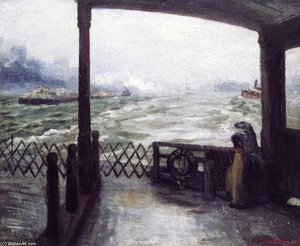
Gloucester Harbor

Ein dramatischer Wolkenhimmel über Gloucester Harbor in John Sloans Ölgemälde von 1916. Holen Sie sich diese maritime Szene in Ihre Sammlung!

John French Sloan: Ein Pionier der Ashcan School und amerikanischer Realismus! Seine beeindruckenden Stadtbilder und sozialkritische Kunstwerke erzählen Geschichten vom Alltag und wirken bis heute.

Giclée / Kunstdruck

Giclée- oder Leinwanddruck in Museumsqualität mit schneller Produktion und flexiblen Veredelungsoptionen. ( Handgemalte Reproduktion bestellen Zum digitalen Bild wechseln)


Corner sample of the P118B picture frame: formgepresstes Polystyrol, 5 cm wide and 3 cm thick
P118B €10
Corner sample of the P118H picture frame: formgepresstes Polystyrol, 5 cm wide and 3 cm thick
P118H €10
Corner sample of the P118W picture frame: formgepresstes Polystyrol, 5 cm wide and 3 cm thick
P118W €10
Corner sample of the P438Z picture frame: formgepresstes Polystyrol, 5.5 cm wide and 3.5 cm thick
P438Z €10
Corner sample of the P508JH picture frame: formgepresstes Polystyrol, 7 cm wide and 3.5 cm thick
P508JH €12
Corner sample of the P508YH picture frame: formgepresstes Polystyrol, 7 cm wide and 3.5 cm thick
P508YH €12
Corner sample of the P805H picture frame: formgepresstes Polystyrol, 5 cm wide and 3.5 cm thick
P805H €10
Corner sample of the P805Z picture frame: formgepresstes Polystyrol, 5 cm wide and 3.5 cm thick
P805Z €10
Corner sample of the P919BZ picture frame: formgepresstes Polystyrol, 7 cm wide and 3.5 cm thick
P919BZ €10
Corner sample of the P919G picture frame: formgepresstes Polystyrol, 7 cm wide and 3.5 cm thick
P919G €10
Corner sample of the P919XJ picture frame: formgepresstes Polystyrol, 7 cm wide and 3.5 cm thick
P919XJ €10
Corner sample of the P959ZH picture frame: formgepresstes Polystyrol, 5 cm wide and 3 cm thick
P959ZH €10
Corner sample of the P968JZ picture frame: formgepresstes Polystyrol, 6 cm wide and 4 cm thick
P968JZ €12
Corner sample of the W106C picture frame: Massivholz, 5 cm wide and 3 cm thick
W106C €8
Corner sample of the W218G picture frame: Massivholz, 5 cm wide and 3 cm thick
W218G €10
Corner sample of the W218JH picture frame: Massivholz, 5 cm wide and 3 cm thick
W218JH €8
Corner sample of the W218Y picture frame: Massivholz, 5 cm wide and 3 cm thick
W218Y €10
Corner sample of the W307PJ picture frame: Massivholz, 6 cm wide and 3 cm thick
W307PJ €10
Corner sample of the W316G picture frame: Massivholz, 6 cm wide and 3 cm thick
W316G €10
Corner sample of the W316PJ picture frame: Massivholz, 6 cm wide and 3 cm thick
W316PJ €8
Corner sample of the W316Y picture frame: Massivholz, 6 cm wide and 3 cm thick
W316Y €10
Corner sample of the W398PJ picture frame: Massivholz, 5 cm wide and 3 cm thick
W398PJ €8
Corner sample of the W4111J picture frame: Massivholz, 6.5 cm wide and 3.5 cm thick
W4111J €10
Corner sample of the W500HY picture frame: Massivholz, 7 cm wide and 5 cm thick
W500HY €15
Corner sample of the W500JH picture frame: Massivholz, 7 cm wide and 5 cm thick
W500JH €15
Corner sample of the W692G picture frame: Massivholz, 8 cm wide and 4 cm thick
W692G €12
Corner sample of the W849H picture frame: Massivholz, 5 cm wide and 3 cm thick
W849H €8
Corner sample of the W940BG picture frame: Massivholz, 7.5 cm wide and 4.5 cm thick
W940BG €15
Corner sample of the W953PJ picture frame: Massivholz, 6 cm wide and 3.5 cm thick
W953PJ €8

Standardformat
individuell anpassbar
CM
INCH

Wählen Sie aus unseren vordefinierten Formaten, die den ursprünglichen Proportionen des Kunstwerks entsprechen.

Breite
Höhe

Geben Sie die benötigte Breite und Höhe an, damit der Druck perfekt in Ihren Rahmen oder an Ihre Wand passt. Ein Druck kann nur beschnitten, aber niemals größer als das Originalbild angefertigt werden; daher verliert ein Format mit anderen Proportionen einen Teil des Bildes. Wir senden Ihnen ein digitales Mockup zur Freigabe, bevor wir den Druck ausführen. Das auf dieser Seite gezeigte Bild zeigt nicht den tatsächlichen Beschnitt – dies ist nur im Mockup ersichtlich.

Weltweiter Versand () innerhalb von 2 Wochen statt der üblichen 4/5 Wochen. (18 November)

Kostenloser weltweiter Expressversand
Hochwertige Leinenleinwand
Umfassender Versicherungsschutz beim Versand
Zollgebühren-Rückerstattungsgarantie
Garantie für exakte Farbtreue
100 Tage Rückgaberecht (nur bei Mängeln)
100% Geld-zurück-Garantie
Mengenrabatt verfügbar

Gesamtpreis

€ 62

Gloucester Harbor

Giclée / Kunstdruck

Format der Reproduktion

-

Endpreis

€ 62

Eckdaten

  • Title: Gloucester Harbor
  • Medium: Öl auf Leinwand
  • Artist: John French Sloan
  • Subject or theme: Belebter Hafen und maritimes Leben
  • Movement: Amerikanischer Realismus

Eine Symphonie des maritimen Lebens: Das Wesen von Gloucester Harbor

In dem evokativen Ölgemälde auf Leinwand, Gloucester Harbor, lädt John Sloan den Betrachter ein, in einen Moment von tiefgreifender maritimer Vitalität einzutauchen. Dieses 1916 geschaffene Werk dient als atemberaubendes Fenster in eine geschäftige Küstenwelt, in der der rhythmische Tanz der Gezeiten auf den unermüdlichen Geist der amerikanischen Küste trifft. Die Szene entfaltet sich über eine weite Wasserfläche, geborgen von der umgebenden Landschaft, und wird belebt von einer Vielzahl von Schiffen, die eine Geschichte von Handel, Freizeit und Tradition erzählen. Von den zarten Silhouetten kleiner Segelboote bis hin zur imposanten Präsenz größerer Schiffe ist jedes Boot mit einer tiefen Zielstrebigkeit dargestellt, verankert in einer Komposition, die sich sowohl weitläufig als auch intim mit dem Ufer verbunden anfühlt.

Sloans Meisterschaft des amerikanischen Realismus offenbart sich eindrucksvoll in seiner Fähigkeit, die atmosphärische Schwere eines bewölkten Himmels einzufangen. Das Firmament über dem Hafen ist nicht bloß eine Kulisse, sondern ein dramatischer Protagonist in dieser Erzählung, wobei verstreute Wolken ein komplexes Zusammenspiel von Licht und Schatten auf der Wasseroberfläche erzeugen. Diese Lichtstreuung verleiht der Szene eine sanfte, fast melancholische Schönheit und setzt die schweren, texturierten Wolken in Kontrast zum schimmernden, lebendigen Treiben des Hafens unter ihnen. Die Anwesenheit von Gestalten, die sich an den Kais bewegen, verleiht dem Bild eine Ebene menschlicher Wärme und deutet auf eine Gemeinschaft hin, die tief mit dem Meer verwoben ist – ein Ort, an dem jede Bewegung vom Wind und den Wellen diktiert wird.

Technik und der Geist des Realismus

Die technische Brillanz von Gloucester Harbor liegt in Sloan's raffinierter Verwendung von Farbe und Textur, um ein Gefühl von greifbarer Realität zu evozieren. Als prominente Figur der Ashcan School wandte sich Sloan von idealisierten Landschaften ab, um sich auf die authentische, oft raue Schönheit des alltäglichen Lebens zu konzentrieren. In diesem Werk erreicht sein Pinselstrich ein bemerkenswertes Gleichgewicht; er ist bestimmt genug, um die strukturelle Integrität der Schiffe und die Beschaffenheit der Küstenlinie zu definieren, und doch fließend genug, um die flüchtige Natur des Lichts einzufangen, das von den Wellen des Atlantiks reflektiert wird. Die Palette, reich an den gedämpften Tönen eines maritimen Nachmittags, schafft eine kohärente Atmosphäre, die den Betrachter förmlich in die salzhaltige, neblige Luft des Hafens zieht.

Für den anspruchsvollen Sammler oder Innenarchitekten bietet dieses Gemälde mehr als nur visuelle Ästhetik; es dient als emotionaler Anker für jeden Raum. Die Komposition besitzt ein natürliches Gleichgewicht, das sie für prachtvolle architektonische Umgebungen prädestiniert, in denen ihr monumentales Ausmaß voll zur Geltung kommen kann. Ob in einer lichtdurchfluteten Galerie oder in einem anspruchsvollen Arbeitszimmer platziert – das Werk strahlt eine zeitlose Ruhe und eine nostalgische Verbindung zum goldenen Zeitalter der amerikanischen Seefahrt aus. Der Besitz einer hochwertigen Reproduktion dieses Werkes ermöglicht es, das Erbe von Sloans Vision zu bewahren und den beständigen Geist von Gloucester Harbor als Zeugnis der Schönheit in die moderne Welt zu tragen – eine Hommage an die geschäftigen Rhythmen von Natur und Mensch.

Fragen & Antworten

Für welches Format wird die Platzierung von „Gloucester Harbor“ im Format Querformat empfohlen?

Das Format Querformat von "Gloucester Harbor" von John French Sloan wird für ein Wohnbereich empfohlen. Format und Raumgestaltung leiten gemeinsam die Platzierung einer Reproduktion.

Welche Leuchtkraft weist "Gloucester Harbor" von John French Sloan auf?

Die für "Gloucester Harbor" von John French Sloan aufgezeichnete Luminanz beträgt Sanfter Schatten.

Welche Technik und welches Entstehungsdatum haben "Gloucester Harbor" von John French Sloan?

"Gloucester Harbor" entstand im Jahr 1916 mit der Technik Öl auf Leinwand. Material und Datum beschreiben, wie und wann das Original geschaffen wurde.


Künstlerbiografie

Early Life and Artistic Awakening

John French Sloan, born August 2, 1871, in Lock Haven, Pennsylvania, emerged from humble beginnings that profoundly shaped his artistic vision. His childhood was marked by a familial need for support; his father’s struggles with mental health necessitated young John taking on responsibilities beyond his years. This early exposure to the realities of working-class life—a world often overlooked by the established art circles—would become a defining characteristic of his oeuvre. He moved with his family to Philadelphia, where he honed his skills initially not through formal academic training, but as an assistant cashier at Porter and Coates, a bookstore brimming with prints and illustrations. This environment proved formative; it allowed him to study masters like Dürer and Rembrandt, fostering a deep appreciation for draftsmanship and etching techniques. It was here, amidst the commerce of printed images, that Sloan began creating his own art, quietly developing a style rooted in observation and meticulous detail. His early work wasn’t born from privilege or leisure, but from necessity and a keen eye for the world around him—a foundation upon which he would build a remarkable career.

The Ashcan School and Urban Realism

Sloan's trajectory shifted dramatically with his encounter with Robert Henri, a charismatic painter who championed artistic independence and a commitment to portraying everyday life. This connection led Sloan to the heart of what became known as the Ashcan School—a group of artists dedicated to depicting the gritty realities of turn-of-the-century New York City. Alongside William Glackens, George Luks, Everett Shinn, and others, Sloan rejected the idealized landscapes and portraits favored by many of their contemporaries, instead turning their attention to the bustling streets, crowded tenements, and vibrant social life of the city’s poorer neighborhoods. His work became a visual chronicle of this often-ignored world—capturing scenes from McSorley’s Bar to women drying their hair on rooftops. Sloan wasn’t merely documenting; he was imbuing these scenes with a sense of empathy and dignity, elevating the lives of ordinary people onto the canvas. He possessed an uncanny ability to capture the *essence* of neighborhood life, the subtle gestures and fleeting moments that revealed the character of a place and its inhabitants. This commitment to realism wasn’t simply aesthetic; it was also informed by his socialist leanings, though he always maintained a distinction between his art and his political beliefs.

Style and Influences

Sloan's artistic style is characterized by a distinctive blend of influences. While rooted in realism, his work wasn’t devoid of stylistic nuance. He employed dark, rich hues—often emphasizing the contrast between light and shadow—to create a sense of drama and atmosphere. His compositions were carefully constructed, often utilizing strong diagonals to draw the viewer's eye into the scene. The influence of etching is evident in his precise linework and attention to detail, even in his paintings. Beyond Henri, Sloan drew inspiration from European masters like Edgar Degas and Honoré Daumier, admiring their ability to capture movement and social commentary. However, he forged a uniquely American voice, one that resonated with the energy and dynamism of New York City. His work wasn’t about grand narratives or historical events; it was about the small moments, the everyday experiences that constituted the fabric of urban life. He found beauty in the mundane, transforming ordinary scenes into compelling works of art. Wake of the Ferry exemplifies his ability to imbue a seemingly simple scene with emotional depth and symbolic resonance.

Major Achievements

Sloan’s career as a commercial newspaper artist began while he was still in his teens. As a young man, he was forced to leave the prestigious Central High School to help support his family. One of his early jobs was at A. Edward Newton, where he produced cards, gift books, and other novelties. Many of these items were produced as etchings, a medium he taught himself in the late 1880s. For Newton, Sloan depicted the homes of famous poets, designed pretty calendars, and etched booklets like *Thoughts* *from Tennyson*. His delicate, precise renderings reveal a flair for decoration, which helped him earn a position on the staff of the *Philadelphia Inquirer *in 1892. He continued at the *Inquirer*, until he received a better offer from the competing *Philadelphia Press*. At the newspapers, Sloan produced a wide range of illustrations including on-the-spot news pictures, though it quickly became apparent that this was not his strength, unlike his friends William Glackens, George Luks, and Everett Shinn who excelled at rapid sketches. He specialized in decorative work, like headings, puzzles, and illustrations for fiction and the society pages. His later paintings explored themes of solitude and melancholy, reflecting a profound sensitivity to human emotion. ## Legacy and Lasting Impact Sloan’s influence can be seen in the works of subsequent realist painters and continues to inspire artists who seek to find beauty and meaning in the everyday world. He was a dedicated teacher, sharing his knowledge and passion with countless students throughout his career. His paintings are not merely historical documents; they are timeless portraits of life, love, and loss. Sloan’s legacy extends far beyond his contributions to the Ashcan School.
John French Sloan

John French Sloan

1871 - 1951 , Vereinigte Staaten

Kurzinfos

  • Artistic Movement Or Style: Ashcan School
  • Artists Who Influenced This Artist: ['Robert Henri']
  • Date Of Birth: August 2, 1871
  • Full Name: John French Sloan
  • Nationality: Amerikaner
  • Notable Artworks:
    • Wake of the Ferry
    • McSorley’s Bar
  • Place Of Birth: Lock Haven, USA
Entdecken Sie Kunstwerke, die nach Themen, Stilen und Merkmalen sortiert sind.