In echtem Maßstab anzeigen In AR an der Wand sehen Handgemalte Reproduktion kaufen Zum digitalen Bild wechseln Versenden als Grußkarte
Details anzeigen Leitfaden öffnen Zu Favoriten hinzufügen Herunterladen Ähnliche Objekte Röntgenaufnahme Diashow Besucherstatistiken

Pine Forest

John Singer Sargent's watercolor 'Pine Forest' captures a lush, vibrant forest scene with scattered rocks and serene atmosphere, reflecting the artist’s mastery of light and color during the Gilded Age. Discover this beautiful landscape reproduction and bring nature's tranquility into your home.

Erkunden Sie die Meisterwerke von John Singer Sargent! Amerikanischer Impressionist, bekannt für Porträts wie 'Madame X', Landschaften und die Erfassung der Eleganz des Goldrauschzeitalters. Entdecken Sie seine Kunst noch heute!

Giclée / Kunstdruck

Giclée- oder Leinwanddruck in Museumsqualität mit schneller Produktion und flexiblen Veredelungsoptionen. ( Handgemalte Reproduktion kaufen Zum digitalen Bild wechseln)

Corner sample of the P118B picture frame: formgepresstes Polystyrol, 5 cm wide and 3 cm thick
P118B €10
Corner sample of the P118H picture frame: formgepresstes Polystyrol, 5 cm wide and 3 cm thick
P118H €10
Corner sample of the P118W picture frame: formgepresstes Polystyrol, 5 cm wide and 3 cm thick
P118W €10
Corner sample of the P438Z picture frame: formgepresstes Polystyrol, 5.5 cm wide and 3.5 cm thick
P438Z €10
Corner sample of the P508JH picture frame: formgepresstes Polystyrol, 7 cm wide and 3.5 cm thick
P508JH €12
Corner sample of the P508YH picture frame: formgepresstes Polystyrol, 7 cm wide and 3.5 cm thick
P508YH €12
Corner sample of the P805H picture frame: formgepresstes Polystyrol, 5 cm wide and 3.5 cm thick
P805H €10
Corner sample of the P805Z picture frame: formgepresstes Polystyrol, 5 cm wide and 3.5 cm thick
P805Z €10
Corner sample of the P919BZ picture frame: formgepresstes Polystyrol, 7 cm wide and 3.5 cm thick
P919BZ €10
Corner sample of the P919G picture frame: formgepresstes Polystyrol, 7 cm wide and 3.5 cm thick
P919G €10
Corner sample of the P919XJ picture frame: formgepresstes Polystyrol, 7 cm wide and 3.5 cm thick
P919XJ €10
Corner sample of the P959ZH picture frame: formgepresstes Polystyrol, 5 cm wide and 3 cm thick
P959ZH €10
Corner sample of the P968JZ picture frame: formgepresstes Polystyrol, 6 cm wide and 4 cm thick
P968JZ €12
Corner sample of the W106C picture frame: Massivholz, 5 cm wide and 3 cm thick
W106C €8
Corner sample of the W218G picture frame: Massivholz, 5 cm wide and 3 cm thick
W218G €10
Corner sample of the W218JH picture frame: Massivholz, 5 cm wide and 3 cm thick
W218JH €8
Corner sample of the W218Y picture frame: Massivholz, 5 cm wide and 3 cm thick
W218Y €10
Corner sample of the W307PJ picture frame: Massivholz, 6 cm wide and 3 cm thick
W307PJ €10
Corner sample of the W316G picture frame: Massivholz, 6 cm wide and 3 cm thick
W316G €10
Corner sample of the W316PJ picture frame: Massivholz, 6 cm wide and 3 cm thick
W316PJ €8
Corner sample of the W316Y picture frame: Massivholz, 6 cm wide and 3 cm thick
W316Y €10
Corner sample of the W398PJ picture frame: Massivholz, 5 cm wide and 3 cm thick
W398PJ €8
Corner sample of the W4111J picture frame: Massivholz, 6.5 cm wide and 3.5 cm thick
W4111J €10
Corner sample of the W500HY picture frame: Massivholz, 7 cm wide and 5 cm thick
W500HY €15
Corner sample of the W500JH picture frame: Massivholz, 7 cm wide and 5 cm thick
W500JH €15
Corner sample of the W692G picture frame: Massivholz, 8 cm wide and 4 cm thick
W692G €12
Corner sample of the W849H picture frame: Massivholz, 5 cm wide and 3 cm thick
W849H €8
Corner sample of the W940BG picture frame: Massivholz, 7.5 cm wide and 4.5 cm thick
W940BG €15
Corner sample of the W953PJ picture frame: Massivholz, 6 cm wide and 3.5 cm thick
W953PJ €8

Standardformat
individuell anpassbar
CM
INCH

Wählen Sie aus unseren vordefinierten Formaten, die den ursprünglichen Proportionen des Kunstwerks entsprechen.

Breite
Höhe

Geben Sie die Breite und die Höhe an, die Sie benötigen, damit der Druck perfekt in Ihren Rahmen oder an Ihre Wand passt. Ein Druck kann nur beschnitten werden und niemals größer als das Originalbild gemacht werden; daher verliert ein Format mit einer anderen Proportion einen Teil des Bildes. Wir senden Ihnen ein digitales Mockup zur Freigabe, bevor wir den Druck ausführen. Das auf dieser Seite gezeigte Bild zeigt nicht den tatsächlichen Beschnitt – dies ist nur im Mockup ersichtlich.

Weltweiter Versand () innerhalb von 2 Wochen statt der üblichen 4/5 Wochen. (17 Oktober)

Kostenloser weltweiter Expressversand
Hochwertige Leinenleinwand
Vollständiger Versicherungsschutz beim Versand
Zollgebühren-Rückerstattungsgarantie
Garantie für exakte Farbtreue
100-tägiges Rückgaberecht (nur bei Mängeln)
100% Geld-zurück-Garantie
Angebot für Mengenrabatt

Gesamtpreis

€ 59

Pine Forest

Giclée / Kunstdruck

Format der Reproduktion

-

Gesamtpreis

€ 59

Kurzübersicht

  • Medium: Watercolor
  • Title: Pine Forest
  • Artist: John Singer Sargent
  • Year: 1907
  • Notable elements: Lush forest, rocks

A Verdant Reverie: John Singer Sargent’s “Pine Forest”

John Singer Sargent's "Pine Forest," painted in 1907, is more than just a depiction of a woodland scene; it’s an immersion into the artist’s deeply felt connection with nature and his masterful command of watercolor. This evocative piece captures a moment of serene tranquility within a dense pine forest, transporting the viewer to a place of quiet contemplation. Sargent's ability to render light and texture is particularly striking here – the vibrant green foliage seems to shimmer with reflected sunlight, while the rough-hewn rocks ground the composition in a tangible reality.

  • Subject Matter: The painting focuses on a classic landscape subject—a pine forest—but Sargent elevates it through his sensitive observation and artistic interpretation.
  • Style: Characteristic of Sargent’s mature style, “Pine Forest” exemplifies his Impressionistic tendencies, prioritizing the fleeting effects of light and atmosphere over precise detail.

Technique and Materials – A Dance with Watercolor

Sargent was a pioneer in the use of watercolor, pushing its boundaries to achieve remarkable depth and luminosity. In “Pine Forest,” he employs a broken color technique—applying small, separate strokes of pigment that blend optically when viewed from a distance—to create a sense of shimmering light and atmospheric perspective. The layering of washes builds up subtle tonal variations, adding richness and complexity to the scene. Notice how he uses delicate gradations in green to suggest the varying textures of the pine needles and leaves, and how the darker tones of the rocks provide a strong contrast that anchors the composition.

  • Watercolor Medium: Sargent’s expertise with watercolor is evident in the painting's luminous quality.
  • Broken Color Technique: This technique creates depth and vibrancy within the scene.

Historical Context – The Gilded Age and a Romantic Vision

"Pine Forest" was created during a period of immense social and artistic change in America—the Gilded Age. While Sargent’s fame rested largely on his portraiture, he also explored landscapes, often imbued with a romantic sensibility that reflected the era's fascination with nature and escape from urban life. Born in Florence to American expatriate parents, Sargent’s upbringing fostered a unique perspective, blending European artistic traditions with an inherent appreciation for the natural world. This painting speaks to a desire for beauty and tranquility—a yearning often associated with the wealthy elite of the time who sought refuge in picturesque landscapes.

  • Gilded Age Influence: The painting reflects the era's fascination with nature and escape.
  • Sargent’s Background: His upbringing shaped his artistic vision, blending European traditions with a love for the natural world.

Symbolism and Emotional Impact – A Moment of Peace

Beyond its technical brilliance, “Pine Forest” possesses a profound emotional resonance. The composition—with the rocks strategically placed to create visual interest and depth—invites the viewer to step into the scene and experience a sense of quiet contemplation. The lush greenery evokes feelings of renewal and vitality, while the stillness of the forest suggests a refuge from the anxieties of modern life. It’s a painting that speaks to our innate desire for connection with nature and the restorative power of solitude. This piece offers a glimpse into Sargent's ability to capture not just what he saw, but also how he *felt* about it – a testament to his enduring artistic legacy.

Fragen & Antworten

Welche Farbpalette wird in "Pine Forest" von John Singer Sargent verwendet?

"Pine Forest" von John Singer Sargent verwendet eine Dark-Farbpalette. Die Palette fasst den gesamten farblichen Charakter des Werkes zusammen.

Welche Farbharmonie weist "Pine Forest" von John Singer Sargent auf?

Die Farbharmonie von „Pine Forest“ wird als Strong Color Unity beschrieben.

Wann und mit welchen Materialien wurde "Pine Forest" geschaffen?

"Pine Forest" entstand im Jahr 1907 mit der Technik Watercolor. Material und Datum beschreiben, wie und wann das Original geschaffen wurde.


Biografie des Künstlers

John Singer Sargent: Ein Leben in der Kunst

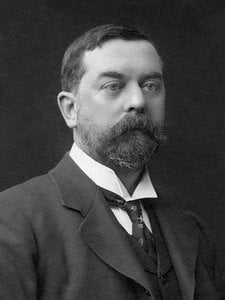
John Singer Sargent (1856–1925) war ein amerikanischer Expatriate-Künstler, der als “führender Porträtmaler seiner Generation” für die Edwardianische Oberschicht angesehen wurde. Seine Werke vereinen eine einzigartige Mischung aus technischem Brillanz, impressionistischen Einflüssen und psychologischem Verständnis.

Frühes Leben und Ausbildung

Geboren am 12. Januar 1856 in Florenz, Italien, der amerikanischen Eltern Fitzwilliam und Mary Newbold Sargent, erlebte John Singer Sargent ein reisendes Kindheit. Seine Eltern waren Expatriates, die sich häufig zwischen Frankreich, Deutschland, Italien und der Schweiz bewegten. Dieser Lebensstil förderte eine breite kulturelle Sensibilität, aber bedeutete eine weniger konventionelle Ausbildung. Statt einer formellen Schule konzentrierte sich die Ausbildung des jungen Sargent auf den Besuch von Museen und Kirchen in Europa.

Im Jahr 1874 begann Sargent bei dem französischen Porträtkünstler Carolus-Duran in Paris zu studieren. Diese Mentorschaft erwies sich als entscheidend. Duran betonte direktes Malen – eine Technik der Auftragsverarbeitung ohne Vorzeichnungen –, die Sargent’s bemerkenswerte technische Begabung und seine Fähigkeit, Personen mit erstaunlicher Geschwindigkeit und Genauigkeit darzustellen, schärfte.

Künstlerische Karriere und Stil

Sargents künstlerischer Output lässt sich im Allgemeinen in zwei Kategorien einteilen: Auftragsporträts und informelle Studien. Seine formellen Porträts, die oft wohlhabende und prominente Personen seiner Zeit darstellten, hielten an der Tradition des “Grand Manner” fest – wobei Eleganz, Status und psychologische Tiefe betont wurden.

Sargent verfolgte jedoch auch einen persönlicheren Stil in seinen Landschaften und Plein-Air-Studien. Diese Werke zeigen eine deutliche Affinität zum Impressionismus, der durch lockere Pinselstriche, lebendige Farbpaletten und die Betonung des Erfassens flüchtiger Momente von Licht und Atmosphäre gekennzeichnet ist.

Wichtige Werke und Leistungen

  • Madame X (1884): Eines von Sargents bekanntesten Werken, dieses Porträt verursachte Kontroversen wegen seiner kühnen Darstellung der Gesellschaftsdame Virginie Amélie Avegno Gautreau.
  • El Jaleo (1882): Eine dynamische und farbenfrohe Szene, die einen spanischen Flamenco-Tanz einfängt und Sargents Meisterschaft im Ausdruck von Bewegung und Licht demonstriert.
  • Carnation, Lily, Lily, Rose (1886): Ein friedlicher und eindringlicher Gemälde, das zwei junge Mädchen zeigt, die Laternen in einem englischen Garten anzünden.
  • A Dinner Table at Night (1882–83): Eine innovative Komposition, die die intime Atmosphäre eines Abendessens mit künstlichem Licht einfängt.

Einflüsse

Sargent war von einer vielfältigen Reihe von Künstlern und Bewegungen beeinflusst:

  • Carolus-Duran: Sein Lehrer, der ihm eine direkte Maltechnik vermittelte.
  • Diego Velázquez: Sargent bewunderte Velázquez’s meisterhafte Verwendung von Licht und Pinselstrich.
  • Impressionismus: Die Betonung der Impressionisten auf das Erfassen flüchtiger Momente und atmosphärischer Effekte hatte einen tiefgreifenden Einfluss auf seine Landschaftsbilder.

Historische Bedeutung und Vermächtnis

Anfangs sah Sargent Kritik für seinen unkonventionellen Ansatz in der Porträtmalerei und seine Bereitschaft, traditionelle künstlerische Normen herauszufordern. Doch bis zum frühen 20. Jahrhundert hatte er sich als einer der führenden Künstler seiner Zeit etabliert.

In den 1980er Jahren gab es eine bedeutende Neubewertung Sargents Werks, insbesondere seiner zuvor übersehenen männlichen Nackte. Diese Wiederentdeckung offenbarte einen komplexeren und nuancierteren Künstler als bisher angenommen. Heute wird John Singer Sargent für seine technische Virtuosität, seine Fähigkeit, den Geist seiner Zeit einzufangen, und seinen nachhaltigen Beitrag zur amerikanischen Kunst gefeiert.

Seine Gemälde bieten ein faszinierendes Fenster in den Luxus und die sozialen Dynamiken der Edwardianischen Ära, während sie gleichzeitig seine eigene persönliche künstlerische Vision widerspiegeln. Seine Werke inspirieren weiterhin Künstler und fesseln das Publikum weltweit.

John Singer Sargent

John Singer Sargent

1856 - 1925 , Italien

Eckdaten zum Künstler

  • Beeinflusste Künstler:
    • Carolus-Duran
    • Diego Velázquez
  • Bemerkenswerte Werke:
    • Madame X
    • El Jaleo
    • Carnation, Lily, Lily, Rose
  • Geburtsdatum: 12. Januar 1856
  • Geburtsort: Florenz, Italien
  • Künstlerischer Stil: Impressionismus
  • Nationalität: Amerikanisch
  • Sterbedatum: 1925
  • Vollständiger Name: John Singer Sargent
Entdecken Sie Kunstwerke, die nach Themen, Stilen und Merkmalen sortiert sind.