x
Vorschau anzeigenVorschau anzeigen In AR erlebenIn AR erleben Handgemalte Reproduktion bestellen Handgemalte Reproduktion bestellenBild kaufen Bild kaufen VersendenVersenden
Details anzeigenDetails anzeigen Zu Favoriten hinzufügen Zu Favoriten hinzufügen HerunterladenHerunterladen Ähnliche ObjekteÄhnliche Objekte RöntgenaufnahmeRöntgenaufnahme DiashowDiashow

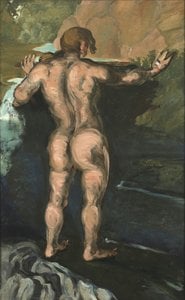
The Crucifixion

Experience John Kyffin Williams’ powerful 'Crucifixion' (1960). This evocative oil painting captures intense emotion through fragmented forms & dark tones, reflecting Welsh landscape art.

Sir John Kyffin Williams (1918-2006): Walisischer Meister der Landschaftsmalerei, bekannt für seine eindringlichen Darstellungen von Wales, Patagonien & Venedig mit kräftiger Palette-Messer-Technik. RA, OBE, KBE.

Giclée / Kunstdruck

Giclée- oder Leinwanddruck in Museumsqualität mit schneller Produktion und flexiblen Veredelungsoptionen. (Handgemalte Reproduktion bestellen Handgemalte Reproduktion bestellenBild kaufen Bild kaufen)

P118B $10
P118H $10
P118W $10
P438Z $10
P508JH $12
P508YH $12
P805H $10
P805Z $10
P919BZ $10
P919G $10
P919XJ $10
P959ZH $10
P968JZ $12
W106C $8
W218G $10
W218JH $8
W218Y $10
W307PJ $10
W316G $10
W316PJ $8
W316Y $10
W398PJ $8
W4111J $10
W500HY $15
W500JH $15
W692G $12
W849H $8
W940BG $15
W953PJ $8

Standardformat
individuell anpassbar
CM
INCH

Wählen Sie aus unseren vordefinierten Formaten, die den ursprünglichen Proportionen des Kunstwerks entsprechen.

Breite
Höhe

Sie können Ihre eigenen Maße eingeben, um ein bestimmtes Format oder einen speziellen Platz einzupassen. Wenn das von Ihnen gewählte Format nicht den Proportionen des Originalbildes entspricht, werden wir das Kunstwerk entweder beschneiden oder das Bild mit einem gespiegelten oder einfarbigen Rand erweitern. Ein digitaler Entwurf wird Ihnen zur Genehmigung zugesandt, bevor die Produktion beginnt.
Bitte beachten Sie, dass die Vorschau auf dem Bildschirm nicht den tatsächlichen Zuschnitt oder die Erweiterung widerspiegelt. Nur der Entwurf zeigt die endgültige Komposition präzise an.
Obwohl Sondermaße verfügbar sind, empfehlen wir die Auswahl eines Maßes aus der vordefinierten Liste, um die ursprünglichen Proportionen zu bewahren.

Weltweiter Versand () innerhalb von 2 Wochen statt der üblichen 4/5 Wochen. (1 September)

why_choose_icon
Kostenloser weltweiter Expressversand
why_choose_icon
Hochwertige Leinenleinwand
why_choose_icon
Umfassender Versicherungsschutz beim Versand
why_choose_icon
Zollgebühren-Rückerstattungsgarantie
why_choose_icon
Garantie für exakte Farbtreue
why_choose_icon
60 Tage Rückgaberecht (nur bei Mängeln)
why_choose_icon
100% Geld-zurück-Garantie
why_choose_icon
Mengenrabatt verfügbar

Gesamtpreis

$ 68

reproduction

The Crucifixion

Giclée / Kunstdruck

Format der Reproduktion

-

Gesamtpreis

$ 68

Eckdaten

  • Artistic style: Abstract Expressionism
  • Subject or theme: Religious suffering
  • Location: Oriel Plas Glyn y Weddw
  • Influences: Waterhouse
  • Title: The Crucifixion
  • Movement: Welsh Landscape
  • Notable elements: Impasto technique

Kunst-Quiz

Jede Frage hat nur eine richtige Antwort.

Frage 1:
What is the primary subject depicted in John Kyffin Williams’ ‘The Crucifixion’?
Frage 2:
In what year was ‘The Crucifixion’ painted?
Frage 3:
What artistic movement is most closely associated with John Kyffin Williams’ style, as evidenced by the use of thick impasto?
Frage 4:
Where is ‘The Crucifixion’ currently housed?
Frage 5:
What is a key characteristic of Kyffin Williams’ use of color in this painting?

A Vision of Suffering and Serenity: Kyffin Williams’ “The Crucifixion”

Sir John “Kyffin” Williams, a name inextricably linked with the soul of Wales, wasn't merely a painter; he was a translator of landscapes, emotions, and the very spirit of his homeland. Born in Llangefni, Anglesey, in 1918, his life unfolded against the backdrop of a nation grappling with identity and heritage – a tension that profoundly shaped his artistic vision. While often categorized as a landscape artist, Williams’ oeuvre reveals a deeply personal engagement with themes of faith, mortality, and the enduring beauty found within hardship. “The Crucifixion,” painted in 1960, exemplifies this complex interplay, offering not a literal depiction of the biblical event but rather an intensely felt meditation on suffering, sacrifice, and ultimately, a quiet sense of serenity.

A Fragmented Landscape, A Distorted Figure

The painting immediately commands attention with its unconventional composition. It’s not a grand, theatrical scene; instead, it presents a fragmented landscape dominated by a dark, brooding sky – a palpable representation of the emotional weight of the subject matter. The central figure of Christ on the cross is rendered in an almost abstracted manner, his form partially obscured by the surrounding elements. Williams employs a bold, impasto technique, layering thick strokes of oil paint to create a textured surface that seems to vibrate with energy. This physicality mirrors the intensity of the scene, conveying both the violence and the profound sorrow associated with the crucifixion. The use of muted tones – deep blues, browns, and greys – contributes to the painting’s somber mood, while subtle hints of light suggest a glimmer of hope amidst the darkness.

Technique and Influences: Bridging Abstraction and Tradition

Williams' distinctive style evolved over his long career, drawing inspiration from both traditional landscape painting and emerging abstract expressionism. He was deeply influenced by artists like Piero della Francesca, whose use of light and shadow to create a sense of depth and drama is evident in “The Crucifixion.” However, Williams departs significantly from the Renaissance master’s idealized forms, opting for a more fragmented and emotionally charged approach. The influence of abstract expressionism can be seen in the painting's loose brushwork and emphasis on conveying feeling rather than precise representation. He was also heavily influenced by his time spent in Patagonia, where he painted dramatic landscapes under the intense light of the Southern Hemisphere, which informed his use of color and texture.

Symbolism and Spiritual Depth

Beyond its formal qualities, “The Crucifixion” is rich in symbolic meaning. The fragmented landscape can be interpreted as a reflection of Christ’s brokenness and suffering, while the dark sky represents the overwhelming weight of sin and death. Yet, despite the bleakness of the scene, there's an underlying sense of peace and acceptance. Some art historians suggest that Williams was exploring themes of redemption and forgiveness through this work. The painting isn’t about glorifying violence; it’s about confronting the uncomfortable realities of human existence and finding solace in faith. The absence of explicit religious iconography – no halo, no crown of thorns – invites viewers to engage with the painting on a deeply personal level, prompting contemplation about the nature of suffering, sacrifice, and the possibility of transcendence.

A Legacy of Welsh Art: Kyffin Williams’ Enduring Impact

Sir John Kyffin Williams remains one of Wales' most celebrated artists, his work profoundly shaping the landscape of modern British art. His ability to capture the essence of the Welsh countryside while simultaneously exploring complex emotional and spiritual themes is a testament to his artistic genius. “The Crucifixion” stands as a powerful example of this talent, offering viewers a glimpse into the soul of a man deeply connected to his land and his faith. Today, his paintings are exhibited in galleries across Wales and beyond, ensuring that his legacy continues to inspire and move audiences for generations to come. Reproductions of this evocative piece offer a tangible connection to Williams’ profound vision, allowing others to experience the quiet power of his artistic expression.

Über den Künstler

John Kyffin Williams: Ein Wegbereiter der walisischen Landschaftsmalerei

  • Geboren: Llangefni, Vereinigtes Königreich (1918)
  • Gestorben: 2006
  • Nationalität: Walisisch

Sir John "Kyffin" Williams, KBE, RA, gilt als eine monumentale Figur der walisischen Kunst des 20. Jahrhunderts. Weithin anerkannt als der definierende Künstler von Wales zu seinen Lebzeiten, fing Williams’s eindringliche Landschaften die Essenz der walisischen Landschaft mit einem unverwechselbaren Stil und tiefgründiger emotionaler Tiefe ein. Er lebte in Pwllfanogl, Llanfairpwll, auf der Isle of Anglesey und blieb sein Leben lang zutiefst mit seiner Heimat verbunden.

Frühes Leben und Einflüsse

  • Familienhintergrund: Williams wurde in eine alte, landbesitzende Familie von Anglesey geboren. Sein Vater war Bankangestellter. Seine Mutter hatte jedoch eine emotional reservierte Natur und scheinbare Abneigung gegen die walisische Sprache, was seine frühen Jahre erheblich beeinflusste.
  • Ausbildung: Er besuchte die Moreton Hall School und Shrewsbury School, wo er an polioenzephalitis erkrankte, was zu Epilepsie führte – einem Zustand, den er später als „mein größtes Glück“ bezeichnete, da er ihn zur Kunst trieb.
  • Militärdienst & Künstlerisches Erwachen: Kurze Zeit diente er im 6. Bataillon des Royal Welch Fusiliers, bevor er aufgrund seines medizinischen Zustands entlassen wurde. Ein Scheitern bei einer medizinischen Untersuchung der britischen Armee führte zu dem Rat von seinem Arzt, aus gesundheitlichen Gründen Kunst zu betreiben.
  • Frühe Inspiration: Er entdeckte eine tiefe Verbindung zur Kunst durch die Werke von Piero della Francesca, was eine emotionale Reaktion hervorrief und seine künstlerische Vision prägte.
  • Formelle Ausbildung: Er schrieb sich an der Slade School of Fine Art (umgesiedelt nach Oxford) ein und schloss mit dem Slade Portrait Prize nach drei Jahren ab.

Karriere und Künstlerische Entwicklung

  • Lehrtätigkeit: Williams widmete einen bedeutenden Teil seiner Karriere der Kunstlehrer, von 1944 bis 1973 als Senior Art Master an der Highgate School in London. Bemerkenswerte Schüler waren Sir Martin Gilbert, die Royal Academicians Anthony Green und Patrick Procktor sowie die Komponisten John Tavener und John Rutter.
  • Patagonien-Erfahrung: Ein Winston Churchill Fellowship im Jahr 1968 ermöglichte es ihm, in Y Wladfa (der walisischen Siedlung in Patagonien) zu studieren und zu malen. Diese Erfahrung veränderte sein Farbschema dramatisch und führte zu einer beträchtlichen Anzahl von Werken, die die patagonische Landschaft darstellen.
  • Unverwechselbare Technik: Williams entwickelte eine charakteristische Technik mit dicker Ölfarbe, die mit einem Spachtel aufgetragen wurde, wodurch strukturierte Oberflächen und kühne Impasto-Effekte entstanden, die die Rauheit und Atmosphäre der walisischen Landschaft vermittelten.
  • Themenwahl: Er ist in erster Linie als Landschaftsmaler bekannt, zeichnete sich aber auch im Porträtmalerei aus und bewies ein Talent für Karikaturen. Seine Werke sind grob in drei Themen unterteilt: Venedig, Patagonien und Wales (der größte Abschnitt).

Wichtige Errungenschaften und Anerkennung

  • Ausstellungen: Er hatte 1949 seine erste Einzelausstellung in einer privaten Galerie in London. Nachfolgende Ausstellungen umfassten die Howard Roberts Gallery in Cardiff und das National Museum of Wales.
  • Mitgliedschaft bei der Royal Academy: Er wurde 1974 zum Mitglied der Royal Academy gewählt, was seine Position innerhalb des britischen Kunstestablishment festigte.
  • Auszeichnungen & Ehrungen: Er erhielt im Laufe seiner Karriere zahlreiche Auszeichnungen, darunter ein OBE im Jahr 1982 und ein KBE im Jahr 1999 für Verdienste um die Künste in Wales. Er erhielt auch den Glyndŵr Award im Jahr 1995.
  • Kyffin Williams Drawing Prize: Dieser Preis wurde 2009 eingerichtet, um weiterhin aufstrebende Talente im Zeichnen zu würdigen.
  • Oriel Kyffin Williams Gallery: Eine permanente Ausstellung, die seinen Werken gewidmet ist, eröffnete 2008 in Oriel Ynys Môn in Llangefni, Anglesey.

Vermächtnis und Historische Bedeutung

  • Definierender walisischer Künstler: Sir John Kyffin Williams gilt weithin als der definierende Künstler von Wales im 20. Jahrhundert, der seine Landschaften und seinen Geist mit unvergleichlicher Fähigkeit und Emotion einfing.
  • Kulturem Botschafter: Bryn Terfel beschrieb ihn als „Waless’ ersten Botschafter in den bildenden Künsten“ und hob damit seinen bedeutenden Beitrag zur walisischen Kultur hervor.
  • Einfluss auf nachfolgende Künstler: Seine Lehrtätigkeit förderte eine Generation talentierter Künstler, was sein Vermächtnis innerhalb der Kunstwelt weiter festigte.
  • Sammlung des National Library of Wales: Die National Library of Wales beherbergt eine beträchtliche Sammlung seiner Werke und Papiere, um sicherzustellen, dass sein künstlerischer Beitrag für zukünftige Generationen bewahrt wird.
  • Fortwährende Beliebtheit: Seine Gemälde sind nach wie vor bei Sammlern sehr gefragt und inspirieren weiterhin zur Wertschätzung der Schönheit und des Charakters der walisischen Landschaft.
John Kyffin Williams

John Kyffin Williams

1918 - 2006 , Vereinigtes Königreich

Kurzinfos

  • Artistic Movement Or Style: Landschaftsmalerei, Impasto
  • Artists Who Influenced This Artist: ['Piero della Francesca']
  • Date Of Birth: 9. Mai 1918
  • Date Of Death: 1. September 2006
  • Full Name: Sir John Kyffin Williams
  • Nationality: Walisisch
  • Notable Artworks: ['Gestalt und Berge (verso)']
  • Place Of Birth: Llangefni, Vereinigtes Königreich
Entdecken Sie Kunstwerke, die nach Themen, Stilen und Merkmalen sortiert sind.