Kostenlose Kunstberatung

x
Druck bestellen Druck bestellenGemälde kaufen Gemälde kaufen VersendenVersenden
DetailsDetails Zu Favoriten hinzufügen Zu Favoriten hinzufügen HerunterladenHerunterladen Ähnliche ObjekteÄhnliche Objekte RöntgenaufnahmeRöntgenaufnahme Diashow anzeigenDiashow anzeigen

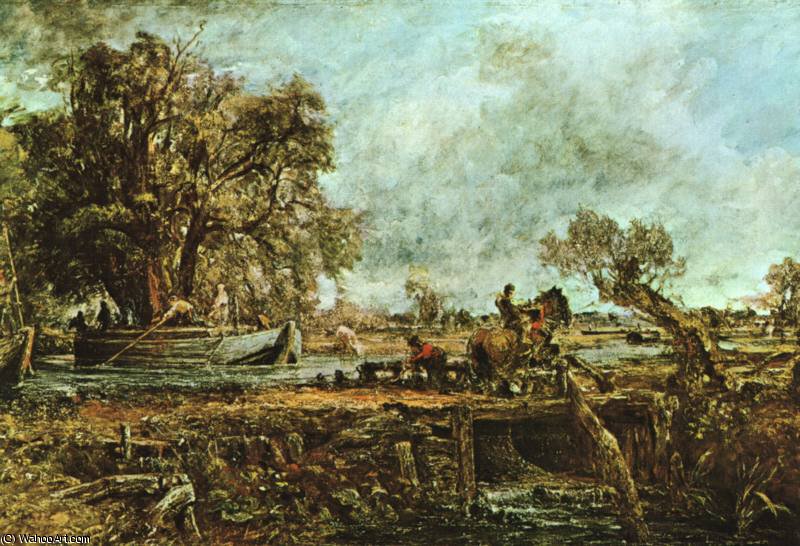
leaping horse

Witness the vibrant energy of John Constable’s "Leaping Horse" (1825)! This Romantic landscape captures a lively scene with horses and people, showcasing his signature loose brushwork & atmospheric depth. Explore this iconic British painting.

Entdecken Sie John Constable (1776-1837), einen britischen Landschaftsmaler, der für seine emotionale Tiefe und natürliche Schönheit bekannt ist. Er war einflussreich auf die Barbizon-Schule und begründete den Romantik mit ikonischen Werken wie 'Netley Abbey'. Erkunden Sie sein Erbe bei WahooArt!

Erwerben Sie ein hochauflösendes, optimiertes digitales Bild, das der Online-Vorschau weit überlegen ist.

Jede Datei wird von unseren hauseigenen Spezialisten mit modernsten Werkzeugen und fachmännischer manueller Retusche sorgfältig vorbereitet. Wir stellen sicher, dass jedes Bild eine außergewöhnliche Klarheit, präzise Farbgenauigkeit und feinste Details aufweist.

Die endgültige Datei wird innerhalb von 72 Stunden per E-Mail zugestellt und ist für den sofortigen Einsatz in professionellen, redaktionellen und Druckumgebungen optimiert. Es handelt sich um dieselbe Qualität, der führende Designstudios, Verlage und Galerien vertrauen.

Digitales Kunstwerk

Laden Sie eine hochauflösende Datei für die persönliche Präsentation, den Druck und kreative Projekte herunter.

Endpreis

$9.99

In jeder Bestellung digitaler Bilder enthalten

Professionelle digitale Bereitstellung, garantiert

Wenn Sie sich für WahooArt.com entscheiden, erhalten Sie nicht nur ein Bild – Sie erhalten ein professionell aufbereitetes digitales Kunstwerk, das mit höchster Präzision erstellt und durch eine Zufriedenheitsgarantie abgesichert wird. Hier ist alles, was automatisch mit Ihrer Bestellung geliefert wird:

shipping_icon
Schnelle E-Mail-Zustellung

Ihre hochauflösende digitale Bilddatei wird Ihnen innerhalb von 72 Stunden nach der Bestellung per E-Mail zugestellt – bereit zur sofortigen Verwendung.

canvas_icon
KI-optimierte digitale Datei

Ihre Kunstwerke werden professionell mithilfe fortschrittlicher KI-Tools und manueller Bearbeitung optimiert, um maximale Detailtreue, Klarheit und Farbgenauigkeit zu gewährleisten.

insurance_icon
Kostenloser lebenslanger erneuter Versand

Datei versehentlich gelöscht oder verloren? Keine Sorge – wir senden sie Ihnen jederzeit kostenlos erneut zu.

tax_icon
Keine Einfuhrgebühren – jemals

Genießen Sie Ihr Kunstwerk sofort ohne Zollgebühren, Einfuhrabgaben oder Versandkosten – digitale Downloads sind immer steuerfrei.

color_icon
Garantierte Farbtreue

Wir garantieren, dass Ihr digitales Bild die Originalfarben mithilfe professioneller Werkzeuge und Farbmanagement so präzise wie möglich wiedergibt.

return_icon
60-Tage-Zufriedenheitsgarantie

Sollten Sie mit Ihrem digitalen Bild nicht zufrieden sein, werden wir es überarbeiten oder Ihnen innerhalb von 60 Tagen 100% erstatten – ohne Wenn und Aber.

guarantee_icon
100% Geld-zurück-Garantie

Nicht zufrieden? Erhalten Sie innerhalb von 60 Tagen nach Erhalt Ihrer digitalen Datei eine vollständige Rückerstattung – ohne Angabe von Gründen.

discount_icon
Rabatte bei Großbestellungen

3 Bilder kaufen, 10% sparen – 5 Bilder kaufen, 15% sparen – Ab 10 Bildern 20% sparen. Ideal für kreative Projekte, Galerien und Agenturen.

Eckdaten auf einen Blick

  • Influences: Claude Lorrain
  • Medium: Oil on canvas
  • Location: Royal Academy
  • Title: The Leaping Horse
  • Subject or theme: Rural England
  • Year: 1825
  • Artist: John Constable

Kunst-Quiz

Jede Frage hat nur eine richtige Antwort.

Frage 1:
What is the primary subject of John Constable’s ‘Leaping Horse’?
Frage 2:
In what region of England did John Constable primarily paint, as evidenced by this work?
Frage 3:
What artistic movement is ‘Leaping Horse’ most closely associated with?
Frage 4:
The painting features a boat near the left side. What is its likely purpose in the scene?
Frage 5:
What technique is most evident in Constable’s brushwork, contributing to the painting's atmospheric quality?

Details zum Sammlerstück

A Moment of Rural Grace: John Constable’s “The Leaping Horse”

John Constable's "The Leaping Horse," painted in 1825, isn’t merely a depiction of a scene; it’s a distillation of the English countryside captured with an almost palpable sense of immediacy and emotion. This landscape painting, brimming with life and subtle detail, transports us to the River Stour valley – Constable's beloved home region of Suffolk – offering a glimpse into the rhythms of rural life and the artist’s profound connection to his surroundings. The image presents a lively tableau: a tow horse, powerfully pulling a barge across the riverbank, leaps gracefully over a cattle guard barrier, a common sight along the waterways of the time designed to keep livestock from straying. Flanking this central action are figures – likely lightermen and perhaps passengers – engaged in the everyday tasks of navigating the river, their presence adding a layer of human interaction to the natural world.

Constable’s signature style is immediately evident. He eschews the rigid formality of earlier landscape painters like Claude Lorrain, instead embracing a looser, more expressive brushstroke. Notice how the paint seems to shimmer and flow across the canvas, capturing the fleeting effects of light and shadow with remarkable sensitivity. The artist doesn't aim for photographic accuracy; rather, he prioritizes conveying the *feeling* of the scene – the warmth of the sun on the water, the rustle of reeds in the breeze, the energy of the horse’s movement. This approach aligns perfectly with the tenets of the Romantic movement, which emphasized emotion and imagination over strict representation.

The Painter's Landscape: Technique and Composition

Examining the painting’s composition reveals Constable’s meticulous attention to detail. The placement of the horse is central, drawing the viewer’s eye immediately to its dynamic leap. The use of aerial perspective – a technique where distant objects appear paler and less distinct – creates a sense of depth and atmospheric distance, effectively conveying the vastness of the landscape. Note how Constable subtly incorporates elements from his immediate surroundings: the weathered post of the cattle guard, the suggestion of a willow tree in the background (a detail he later revisited in a preparatory study), and even the faint outline of St Mary’s Church tower in Dedham – landmarks that would have been intimately familiar to the artist. The inclusion of these local details anchors the scene within its specific geographical context, reinforcing Constable's deep connection to his home.

Technically, “The Leaping Horse” is executed in oil on canvas, a medium that allowed Constable to achieve the rich colors and luminous effects he so prized. He employed a technique known as ‘broken color,’ layering thin washes of paint over each other to build up depth and vibrancy. This method contributes significantly to the painting’s atmospheric quality, creating a sense of shimmering light and subtle tonal variations.

Symbolism and Context: A Portrait of Rural England

Beyond its immediate visual appeal, “The Leaping Horse” is rich in symbolic meaning. The horse itself represents strength, vitality, and the essential role of animals in rural life. The act of leaping over the cattle guard barrier can be interpreted as a celebration of freedom and movement – a fleeting moment of exhilaration within the constraints of daily labor. The presence of the barge and its crew speaks to the importance of trade and transportation in this agricultural community. Furthermore, Constable’s choice to depict such an ordinary scene—a commonplace event on the River Stour—reflects his belief that beauty could be found in the everyday details of rural life.

Painted during a period of significant social and political change in England, “The Leaping Horse” offers a poignant glimpse into a vanishing way of life. The painting captures a moment before industrialization fundamentally altered the landscape and transformed the rhythms of rural existence. Constable’s work serves as both a celebration of this past and a testament to his enduring love for the English countryside.

Bringing “The Leaping Horse” Home: A Reproduction for Your Space

WahooArt offers meticulously crafted, hand-painted reproductions of John Constable's "The Leaping Horse," allowing you to bring this iconic masterpiece into your home or office. Our skilled artists replicate the painting’s intricate details and atmospheric qualities with exceptional accuracy, using archival-quality materials to ensure lasting beauty. Whether you are an art enthusiast, a collector, or simply seeking to add a touch of timeless elegance to your décor, our reproduction captures the essence of Constable's vision – a moment of rural grace, imbued with emotion and a profound appreciation for the natural world.

Ähnliche Kunstwerke


Biografie des Künstlers

**frühes Leben und Schwierigkeiten**

John Constable, ein renommierter britischer Künstler, wurde am 23. Juni 1776 in East Bergholt, Suffolk, geboren. Sein frühes Leben war geprägt von einer tiefen Verbundenheit mit der Natur, die später das Markenzeichen seines künstlerischen Stils werden sollte. Trotz zahlreicher Herausforderungen auf dem englischen Kunstmarkt ebnete Constable mit seiner unerschütterlichen Hingabe an sein Handwerk den Weg für ein Vermächtnis, das weit über seine Zeit hinausgeht.

**Künstlerischer Stil und Einfluss**

Constables einzigartiger Ansatz in der Landschaftsmalerei, der durch seinen Fokus auf natürliche Schönheit und emotionale Tiefe geprägt war, markierte einen bedeutenden Wandel im Genre. Sein Einfluss war insbesondere in Frankreich tiefgreifend, wo er eine Schlüsselrolle bei der Gestaltung des Barbizon-Malerkollegs spielte. Diese Schule, die sich auf Realismus und Natur konzentrierte, zog direkt Inspiration von Constables Techniken und Themen.
  • Netley Abbey (Öl auf Leinwand), ein Beweis für seine Fähigkeit, den Kern natürlicher Landschaften einzufangen.
  • The Judges Walk, Hampstead (Romantik, Öl), das seine Fähigkeit demonstriert, persönliche Note in seine Arbeit zu legen.
  • A View on the Stour near Dedham (129 x 188 cm, Romantik, Öl auf Leinwand), ein Paradebeispiel für seinen Einfluss auf das Landschaftsgemälde.

**Vermächtnis und Erinnerung**

Heute wird John Constable nicht nur als Landschaftsmaler, sondern auch als Pionier in Erinnerung behalten, der neue Möglichkeiten für emotionale Ausdrucksweise in der Kunst eröffnete. Sein tiefgreifender Einfluss auf die Entwicklung der Landschaftsmalerei im 19. Jahrhundert und darüber hinaus ist unbestreitbar. Wichtige Punkte:** * Beeinflussend bei der Entwicklung des Barbizon-Kollegs in Frankreich * Pionier einer neuen Herangehensweise an die Landschaftsmalerei, mit Fokus auf natürliche Schönheit und emotionale Tiefe * Kämpfte während seines Lebenszeit für Anerkennung

**Fazit**

Das Vermächtnis von John Constable ist ein Beweis für die transformative Kraft der Kunst. Sein Einfluss auf die Landschaftsmalerei, sowohl in seiner Zeit als auch darüber hinaus, erinnert uns daran, wie tiefgreifend ein einzelner Künstler die Welt beeinflussen kann.
John Constable

John Constable

1776 - 1837 , Vereinigtes Königreich

Kurzinfos

  • Beeinflusste Kunstrichtungen: Barbizon-Schule
  • Beeinflusste Künstler:
    • Claude Lorrain
    • Jacob van Ruisdael
  • Bemerkenswerte Werke:
    • Netley Abbey
    • The Judges Walk, Hampstead
    • A View on the Stour
  • Geburtsdatum: 23. Juni 1776
  • Geburtsort: East Bergholt, Vereinigtes Königreich
  • Künstlerischer Stil: Romantik
  • Nationalität: Britisch
  • Sterbedatum: 1837
  • Vollständiger Name: John Constable