Kostenlose Kunstberatung

x
Druck bestellen Druck bestellenGemälde kaufen Gemälde kaufen VersendenVersenden
Details anzeigenDetails anzeigen Zu Favoriten hinzufügen Zu Favoriten hinzufügen HerunterladenHerunterladen Ähnliche ObjekteÄhnliche Objekte RöntgenaufnahmeRöntgenaufnahme Diashow anzeigenDiashow anzeigen

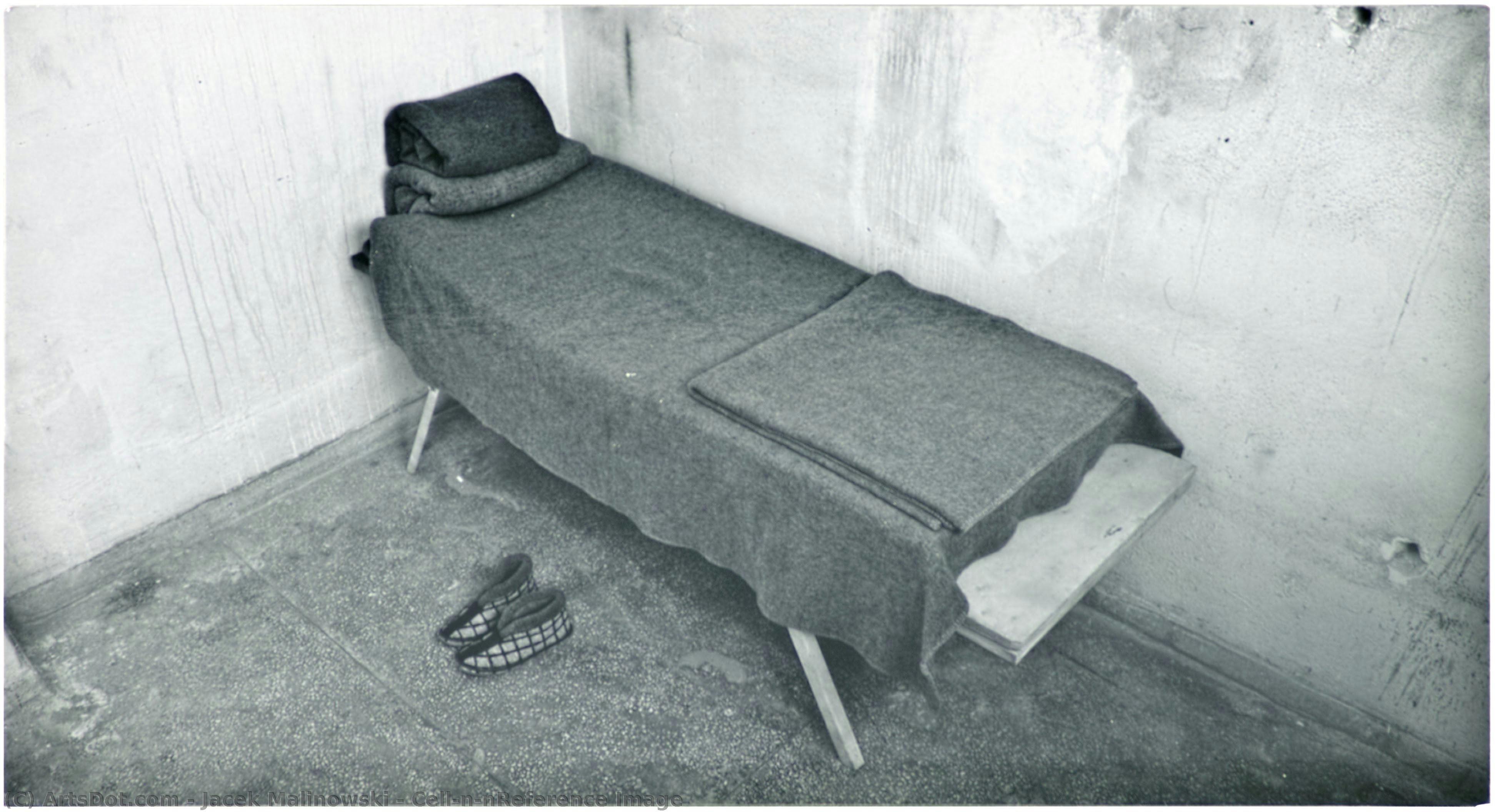
Cell\n\nReference Image

Explore the evocative art of Jacek Malinowski – a Polish visual artist known for film, installations & photography. Discover his unique style & impactful work.

Erwerben Sie ein hochauflösendes, optimiertes digitales Bild, das der Online-Vorschau weit überlegen ist.

Jede Datei wird von unseren hauseigenen Spezialisten mit modernsten Werkzeugen und fachmännischer manueller Retusche sorgfältig vorbereitet. Wir stellen sicher, dass jedes Bild eine außergewöhnliche Klarheit, präzise Farbgenauigkeit und feinste Details aufweist.

Die endgültige Datei wird innerhalb von 72 Stunden per E-Mail zugestellt und ist für den sofortigen Einsatz in professionellen, redaktionellen und Druckumgebungen optimiert. Es handelt sich um dieselbe Qualität, der führende Designstudios, Verlage und Galerien vertrauen.

Digitales Kunstwerk

Laden Sie eine hochauflösende Datei für die persönliche Präsentation, den Druck und kreative Projekte herunter.

Endpreis

$9.99

In jeder Bestellung digitaler Bilder enthalten

Professionelle digitale Bereitstellung, garantiert

Wenn Sie sich für WahooArt.com entscheiden, erhalten Sie nicht nur ein Bild – Sie erhalten ein professionell aufbereitetes digitales Kunstwerk, das mit höchster Präzision erstellt und durch eine Zufriedenheitsgarantie abgesichert wird. Hier ist alles, was automatisch mit Ihrer Bestellung geliefert wird:

shipping_icon
Schnelle E-Mail-Zustellung

Ihre hochauflösende digitale Bilddatei wird Ihnen innerhalb von 72 Stunden nach der Bestellung per E-Mail zugestellt – bereit zur sofortigen Verwendung.

canvas_icon
KI-optimierte digitale Datei

Ihre Kunstwerke werden professionell mithilfe fortschrittlicher KI-Tools und manueller Bearbeitung optimiert, um maximale Detailtreue, Klarheit und Farbgenauigkeit zu gewährleisten.

insurance_icon
Kostenloser lebenslanger erneuter Versand

Datei versehentlich gelöscht oder verloren? Keine Sorge – wir senden sie Ihnen jederzeit kostenlos erneut zu.

tax_icon
Keine Einfuhrgebühren – jemals

Genießen Sie Ihr Kunstwerk sofort ohne Zollgebühren, Einfuhrabgaben oder Versandkosten – digitale Downloads sind immer steuerfrei.

color_icon
Garantierte Farbtreue

Wir garantieren, dass Ihr digitales Bild die Originalfarben mithilfe professioneller Werkzeuge und Farbmanagement so präzise wie möglich wiedergibt.

return_icon
60-Tage-Zufriedenheitsgarantie

Sollten Sie mit Ihrem digitalen Bild nicht zufrieden sein, werden wir es überarbeiten oder Ihnen innerhalb von 60 Tagen 100% erstatten – ohne Wenn und Aber.

guarantee_icon
100% Geld-zurück-Garantie

Nicht zufrieden? Erhalten Sie innerhalb von 60 Tagen nach Erhalt Ihrer digitalen Datei eine vollständige Rückerstattung – ohne Angabe von Gründen.

discount_icon
Rabatte bei Großbestellungen

3 Bilder kaufen, 10% sparen – 5 Bilder kaufen, 15% sparen – Ab 10 Bildern 20% sparen. Ideal für kreative Projekte, Galerien und Agenturen.

Details zum Sammlerstück

The work of Jacek Malinowski is a collection of nine small black-and-white photographs mounted on glass. The pictures present the reconstruction of Adolf Eichmann’s cell in a prison in Ramla (Israel), where the Nazi criminal spent the last nine months of his life. Careful reconstruction of the prison facilities was based on images from the “Life” weekly, made and published in 1961 during the trial of the criminal. In Malinowski’s photographs, one can see a severe, very austere interior, where there is only a bed, a stool and a sink. There are both frames showing the full view of the cell, as well as close-ups of various details and items, which can be found there. [P. Lisowski]The work of Jacek Malinowski is a collection of nine small black-and-white photographs mounted on glass. The pictures present the reconstruction of Adolf Eichmann’s cell in a prison in Ramla (Israel), where the Nazi criminal spent the last nine months of his life. Careful reconstruction of the prison facilities was based on images from the “Life” weekly, made and published in 1961 during the trial of the criminal. In Malinowski’s photographs, one can see a severe, very austere interior, where there is only a bed, a stool and a sink. There are both frames showing the full view of the cell, as well as close-ups of various details and items, which can be found there.The reproduced cell was employed by the artist as a scenography for the film Nosferatu. The fear dictator (2011), and it simultaneously becomes the documentation relating to the process of making the film, as well as an independent work of art, which can be considered as an integral part of it. The film itself is a two-part story (Berlin, Warschau) inspired by two famous adaptations of Bram Stoker

Biografie des Künstlers

Jacek Malinowski: Echoes of History and the Unseen

Born in Warsaw, Poland, in 1964, Jacek Malinowski is a visual artist whose work delves into the unsettling intersections of history, memory, and the human psyche. His oeuvre—spanning film, installations, sculpture, and photography—is characterized by a meticulous attention to detail, often employing archival materials and reconstructed spaces to confront viewers with uncomfortable truths about the past. Malinowski’s art isn't merely historical documentation; it’s an active engagement with the lingering shadows of events, prompting reflection on their enduring impact.

Initially trained at the Faculty of Fine Arts at the Mason Gross School of the Arts at Rutgers University, Malinowski’s artistic trajectory shifted dramatically after his studies. He began to explore themes rooted in Polish history and its complex relationship with the 20th century—a period marked by occupation, resistance, and profound loss. This early focus shaped a core aesthetic: a deliberate layering of evidence, creating environments that feel both familiar and profoundly alien.

The Cell: Confronting Eichmann’s Legacy

Perhaps the most iconic work in Malinowski's oeuvre is “Cell” (2012), a series of nine black-and-white photographs meticulously documenting the reconstruction of Adolf Eichmann’s prison cell in Ramla, Israel. This project began with images from the 1961 “Life” magazine article detailing the trial and subsequent imprisonment of the Nazi war criminal. Malinowski didn't simply reproduce these archival photographs; he painstakingly recreated the cell itself, creating a stark, almost claustrophobic space that embodies the horror of Eichmann’s actions.

The significance of “Cell” extends beyond its subject matter. It functions as both a historical record and an artistic statement. The artist deliberately employs a documentary style, utilizing elements reminiscent of news photography to lend the work an air of authenticity. However, this apparent objectivity is undermined by the unsettling details—the bare bed, the single stool, the meager sink—which amplify the sense of isolation and despair within the confined space. As Malinowski himself has stated, he aims to evoke a “horror” that one should seek in reality, history, and tradition, simultaneously acknowledging the potential for evil inherent in these domains.

Film as a Medium for Historical Excavation

Beyond photography, Malinowski’s work extends into film. His 2011 film, "Nosferatu. The Fear Dictator," is a compelling example of his approach to cinematic storytelling. Drawing inspiration from both Murnau's original “Nosferatu” and Herzog’s adaptation, the film reimagines Bram Stoker’s Dracula as a chilling allegory for totalitarianism. Malinowski utilizes the reconstructed Eichmann cell as a key scenography, creating a haunting atmosphere that underscores the film’s themes of paranoia and oppression.

Crucially, Malinowski employs a documentary style within his films, blurring the lines between fiction and reality. This technique serves to heighten the sense of unease and invites viewers to question the nature of historical representation. The “Cell” itself becomes an integral part of the narrative, functioning as a visual metaphor for the enduring legacy of evil.

A Contemporary Voice Rooted in the Past

Jacek Malinowski’s art is not simply about recreating the past; it's about engaging with its complexities and confronting its uncomfortable truths. His meticulous research, combined with his distinctive aesthetic—characterized by stark imagery, unsettling spaces, and a deliberate use of archival materials—has established him as a significant voice in contemporary visual culture. He invites us to contemplate the enduring power of history and the importance of remembering – not just recording – the events that have shaped our world.

His work continues to be exhibited internationally, solidifying his position as a leading Polish artist exploring the darker corners of human experience.

jacek malinowski

jacek malinowski

1964 - , Poland

Kurzinfos

  • Artistic Movement Or Style: Visual art, Film installations, Photography art
  • Date Of Birth: 1964
  • Full Name: Jacek Malinowski
  • Nationality: Polish
  • Notable Artworks:
    • Cell
    • Nosferatu. Berlin, Warschau
  • Place Of Birth: Warsaw, Poland