


 Öl auf LeinwandWandkunstRomantic Antiquarianism
 117.0 x 174.0 cm
 Staatliche Museen zu Berlin
Handgemaltes Ölgemälde auf Leinwand in Ihrer Wunschgröße und mit Rahmen, auf Bestellung von unseren Künstlern angefertigt. ( Druck bestellen Bild kaufen)





























Wählen Sie aus unseren vordefinierten Formaten, die den ursprünglichen Proportionen des Kunstwerks entsprechen.

Sie können Ihre eigenen Maße eingeben, um einen bestimmten Rahmen oder Platz auszufüllen. Wenn die gewählte Größe nicht den Proportionen des Originalbildes entspricht, werden wir das Kunstwerk entweder beschneiden oder das Gemälde durch zusätzliche, handgemalte Elemente erweitern. Ein digitales Mockup wird Ihnen zur Genehmigung zugesandt, bevor die Produktion beginnt.
Bitte beachten Sie, dass die Bildschirmvorschau nicht die tatsächliche Beschneidung oder Erweiterung widerspiegelt. Nur das Mockup zeigt die endgültige Komposition exakt an.
Obwohl Sondermaße verfügbar sind, empfehlen wir, eine Größe aus der vordefinierten Liste zu wählen, um die ursprünglichen Proportionen beizubehalten.
Weltweiter Versand () in nur 3 bis 4 Wochen statt der üblichen 5 Wochen. (6 September). Keine Kompromisse bei der Qualität.


Ruins at Nimes
Format der Reproduktion
To gaze upon Hubert Robert's "Ruins at Nimes" is not merely to observe crumbling stone; it is to step across the threshold of time itself. This masterful depiction transports the viewer into a sun-drenched, yet melancholic, corner of history. The scene unfolds around magnificent remnants of Roman grandeur—a temple boasting colossal columns and a central pediment, all bearing the eloquent scars of centuries. Yet, despite the evident decay, there is an undeniable majesty to the architecture, suggesting a life once vibrant with civic ceremony or sacred devotion. The artist has captured that perfect tension between monumental permanence and inevitable dissolution.
Technically, the painting showcases Robert's unparalleled skill in rendering atmosphere. The interplay of light and shadow is nothing short of breathtaking; one can almost feel the warmth of the Mediterranean sun filtering through the hazy sky. Notice how the artist treats the textures—the rough grit of the aged stone contrasting with the lush, verdant life reclaiming the foreground. In the distance, a graceful bridge spans a tranquil river, drawing the eye deep into the composition and lending an exquisite sense of depth. This careful handling of light transforms mere ruins into a sublime, almost dreamlike vista.
What elevates this piece beyond a simple architectural study are the figures populating the scene. Dressed in attire evocative of the 18th century, these strolling visitors—some carrying umbrellas, others simply observing—provide an immediate sense of scale and narrative. They are not mere props; they are witnesses to history, lending a human touch to the monumental silence of the ruins. This juxtaposition—the fleeting presence of contemporary life against the backdrop of immutable antiquity—is central to the painting's emotional resonance.
For the connoisseur, "Ruins at Nimes" speaks volumes about the passage of time itself. The ruins symbolize the transience of human endeavor, a poignant reminder that even the greatest empires eventually yield to nature’s slow embrace. Yet, this melancholy is tempered by a profound sense of peace. It suggests that beauty persists, not just in flawless construction, but in the very act of endurance—the way nature softens the edges of man's ambition. Owning a reproduction allows one to curate this feeling: a sophisticated nod to classical learning mixed with the romantic yearning for what once was.
Whether adorning an academic study, a grand drawing-room, or a space that calls for intellectual depth, this artwork offers unparalleled gravitas. Its rich detail and masterful composition make it a focal point that invites contemplation. To reproduce such a piece is to invite a conversation about history, beauty, and the enduring poetry found where civilization meets wilderness.

Hubert Robert war ein französischer Maler, der für seine eindringlichen Landschaftsbilder und *Capriccio*-Gemälde – halbfiktive, malerische Darstellungen von Ruinen in Italien und Frankreich – gefeiert wurde. Er gilt als eine zentrale Figur, die die Epochen Rokoko und Neoklassizismus miteinander verbindet und mit seiner Faszination für Verfall, Geschichte und fantasievolle Rekonstruktionen Aspekte des Romantismus vorwegnimmt.
Nicolas Robert, Hubert’s Vater, diente François-Joseph de Choiseul, Marquis de Stainville. Robert erhielt eine Jesuitenbildung am Collège de Navarre im Jahr 1751. Anschließend studierte er Bildhauerei bei Michel-Ange Slodtz, der ihn ermutigte, das Malen zu verfolgen. Diese frühe Ausbildung vermittelte ihm ein starkes Fundament in Design und Perspektive, wesentliche Elemente, die später seinen künstlerischen Stil prägten.
Seine Zeit in Rom prägte Roberts künstlerische Vision tiefgreifend. Die Gegenüberstellung antiker römischer Ruinen mit dem zeitgenössischen Leben weckte sein Interesse daran, Verfall neben Vitalität darzustellen – ein wiederkehrendes Thema in seiner gesamten Karriere.
Roberts Pariser Erfolg beruhte auf seiner Fähigkeit, sowohl die Erhabenheit der klassischen Antike als auch die Lebendigkeit des zeitgenössischen Lebens einzufangen. Seine Werke fanden bei einem Publikum Anklang, das sich für Geschichte, Archäologie und das Beschauliche begeisterte.
Hubert Roberts Vermächtnis liegt in seiner einzigartigen Fähigkeit, historische Genauigkeit mit fantasievoller Vision zu verbinden. Er begründete ein Genre der Malerei, das sowohl die Schönheit des Verfalls als auch die bleibende Kraft menschlicher Kreativität feierte. Seine Arbeit inspiriert weiterhin Künstler und fesselt das Publikum und festigt damit seinen Platz als bedeutende Figur in der Kunst des 18. Jahrhunderts.
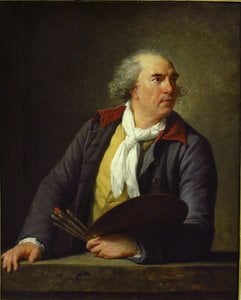
1733 - 1808 , Frankreich

Discover the profound serenity of timeless pastoral landscapes. From Impressionist masterpieces to bespoke oil commissions, explore how curated fine art brings the enduring beauty and tranquility of nature into your luxury home interior.

 Vorschau anzeigen
 Versenden
 Teilen
 Details anzeigen

 Herunterladen
 Ähnliche Objekte
 Röntgenaufnahme
 Diashow
 Weiterlesen







 Die Glasoption ist nur für Größen unter 110 cm verfügbar.


