Einführung in das Leben und Schaffen von Hsiao Chin
Hsiao Chin, ein renommierter Künstler aus China, wurde 1935 geboren. Seine künstlerische Reise begann bereits in jungen Jahren und führte ihn zu einem unverwechselbaren Stil, der die tiefe Tradition chinesischer Techniken mit den dynamischen Einflüssen des modernen Westens verwebt. Für Kunstkenner ist es eine faszinierende Aufgabe, das Leben von
Hsiao Chin, sein Werk und den bleibenden Eindruck zu erkunden, den er in der globalen Kunstwelt hinterlassen hat.
Frühes Leben und Ausbildung
In eine Familie von Künstlern hineingeboren, wurde
Hsiao Chin von klein auf dazu ermutigt, seiner Leidenschaft für die Kunst zu folgen. Seine akademische Grundlegung legte er an der
Guangzhou Academy of Fine Arts, wo er seine Fertigkeiten in der traditionellen chinesischen Malerei meisterte. Nach Abschluss seines Studiums zog
Hsiao Chin nach Taiwan, wo er schnell zu einem wesentlichen Bestandteil der dortigen Kunstszene aufstieg.
Künstlerischer Stil und bedeutende Werke
Der künstlerische Ausdruck von
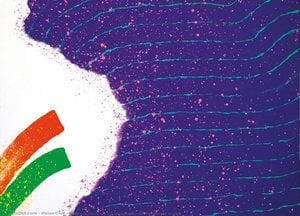
Hsiao Chin zeichnet sich durch kraftvolle Pinselstriche, lebendige Farben und eine meisterhafte Symbiose aus traditionellen chinesischen Motiven und modernen westlichen Techniken aus. Zu seinen herausragenden Werken zählen unter anderem
"The Great Leap",
"The Red Guard" und
"The New Generation". Diese Gemälde sind Zeugnisse von
Hsiao Chins außergewöhnlicher Fähigkeit, das Erbe des Ostens mit der Ästhetik des Westens in ein harmonisches Gleichgewicht zu bringen.
Einfluss auf die Kunstwelt
Das Werk von
Hsiao Chin hat die Kunstwelt maßgeblich geprägt. Er gilt als einer der bedeutendsten Künstler Taiwans und seine Arbeiten wurden in zahlreichen renommierten Museen ausgestellt, darunter das
National Museum of Fine Arts in Taipeh. Seine Kunst ist zudem über https://WahooArt.com zugänglich, wo Kunstliebhaber seine Gemälde entdecken und tiefer in sein Leben und seine Karriere eintauchen können.
- Bedeutende Ausstellungen: Die Arbeiten von Hsiao Chin fanden bereits im National Museum of Fine Arts in Taipeh, im Taipei Fine Arts Museum sowie in der Online-Galerie von WahooArt.com statt.
- Auszeichnungen und Anerkennung: Für seine wegweisenden Beiträge zur Kunstwelt wurde Hsiao Chin mit zahlreichen Preisen geehrt, darunter der Fine Arts Award der taiwanischen Regierung.
- Einfluss auf andere Künstler: Der einzigartige Stil von Hsiao Chin hat viele junge Künstler in Taiwan und China inspiriert, die heute selbst nach Wegen suchen, traditionelle chinesische Techniken mit modernen westlichen Einflüssen zu verschmelzen.
Fazit
Hsiao Chin ist ein Meister der Verbindung zweier Welten. Bekannt für seine einzigartige Verschmelzung von Ost und West, bleibt sein Werk eine kraftvolle Inspiration für die nachfolgenden Generationen in Taiwan und China. Über https://WahooArt.com können Kunstbegeisterte die Gemälde von
Hsiao Chin erkunden und so ein integraler Teil seines beeindruckenden künstlerischen Vermächtnisses werden.



 In echtem Maßstab anzeigen
 Zum Druck wechseln
 Versenden als Grußkarte
 Teilen
 Details anzeigen

 Herunterladen
 Ähnliche Objekte
 Röntgenaufnahme
 Diashow
 Besucherstatistiken


 Mehr anzeigen






































 Die Glasoption ist nur für Größen unter 110 cm verfügbar.